
Last updated September 10, 2026
Level 1 sweep and inspection to the NFPA 211 annual standard - flue, crown, cap, and flashing checked and photographed
Chimney sweep logs do not sweep chimneys. They loosen some creosote - which then falls where a brush and vacuum still have to collect it.
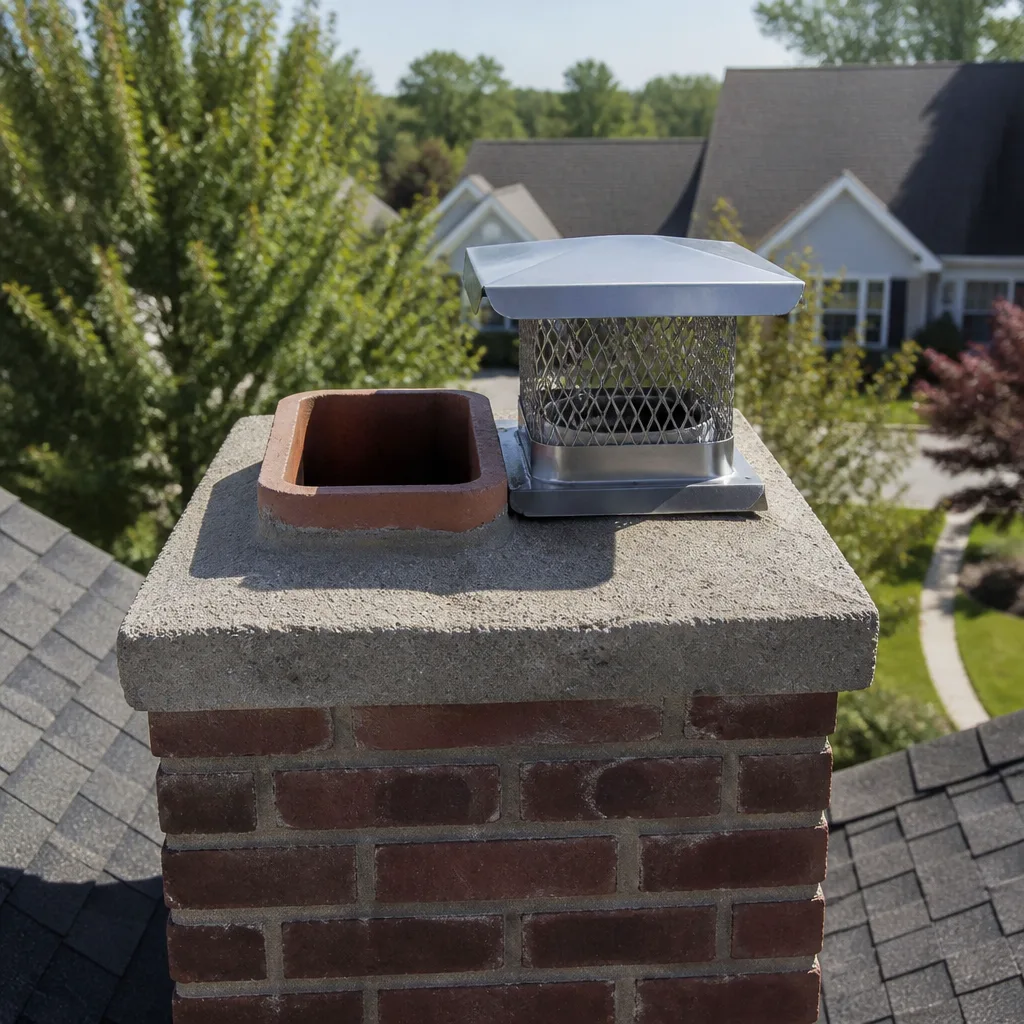
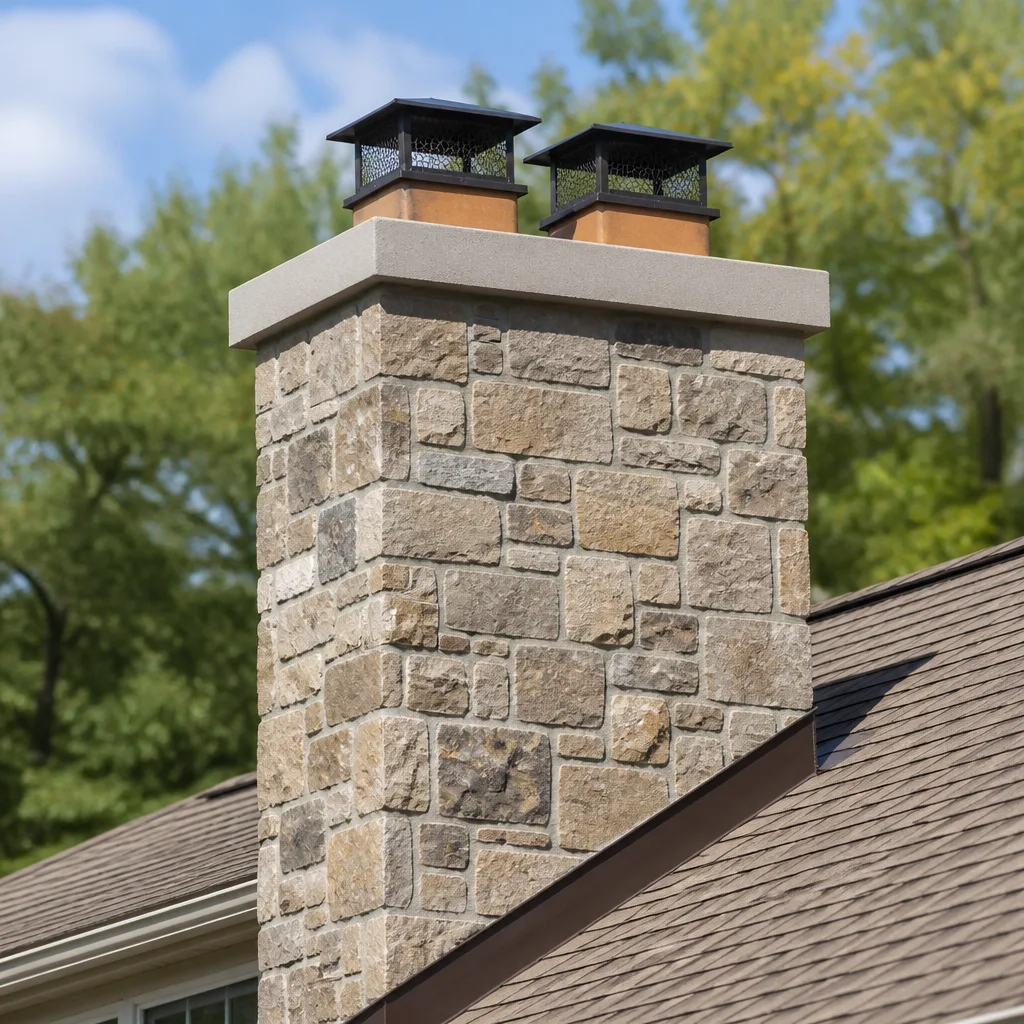
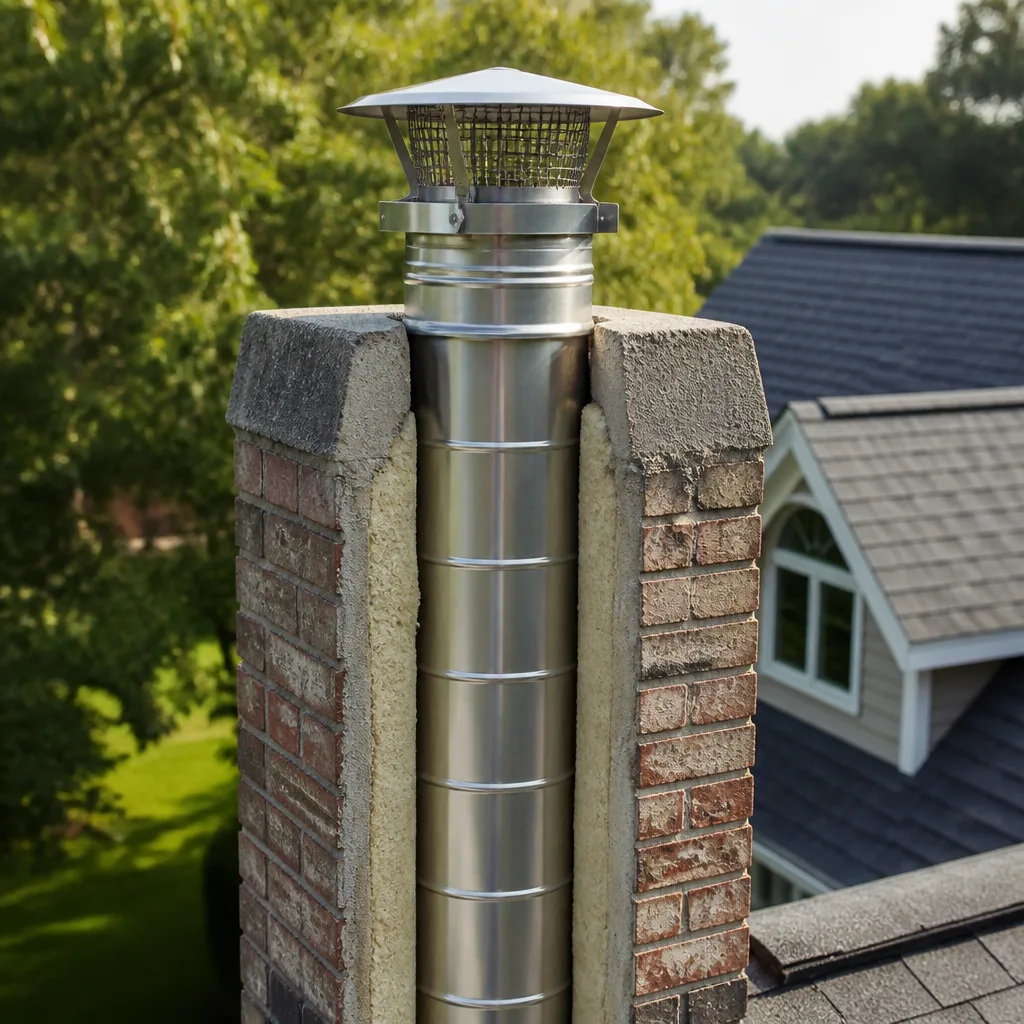
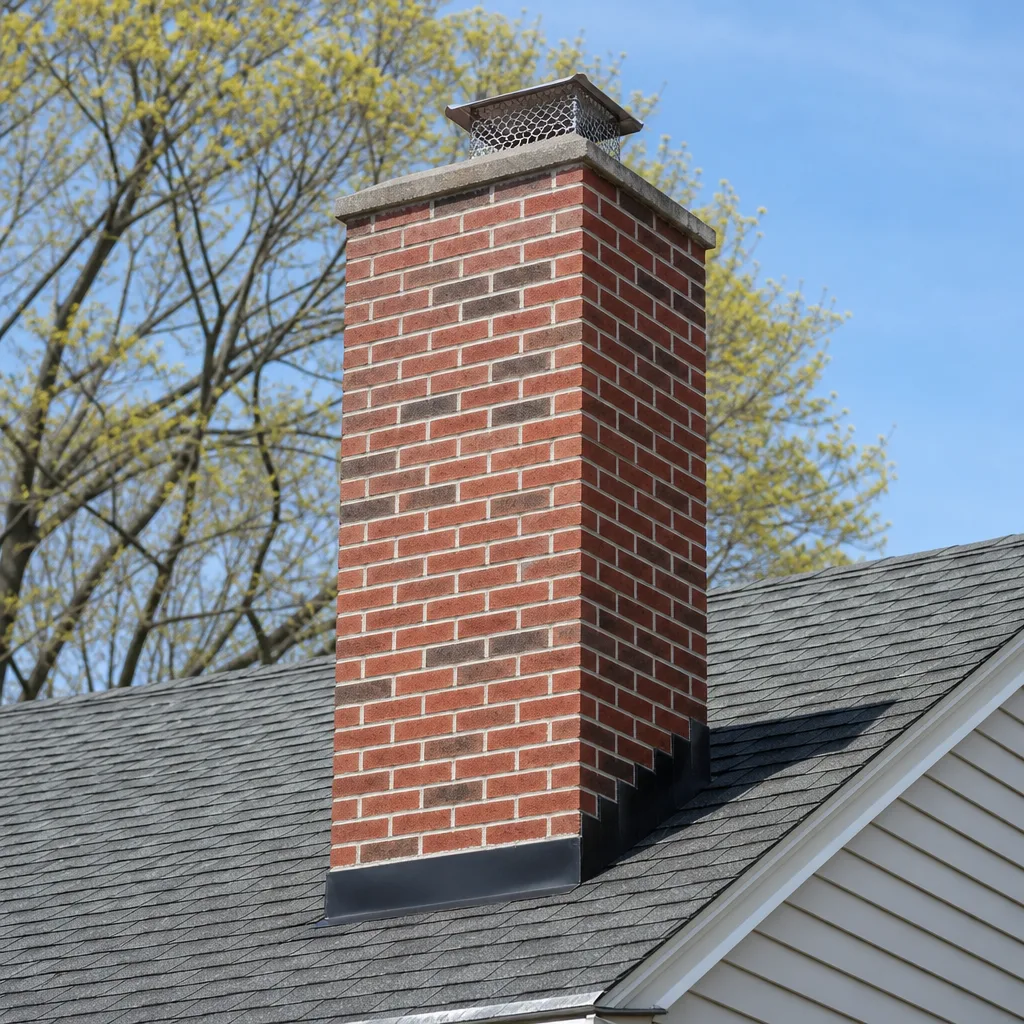
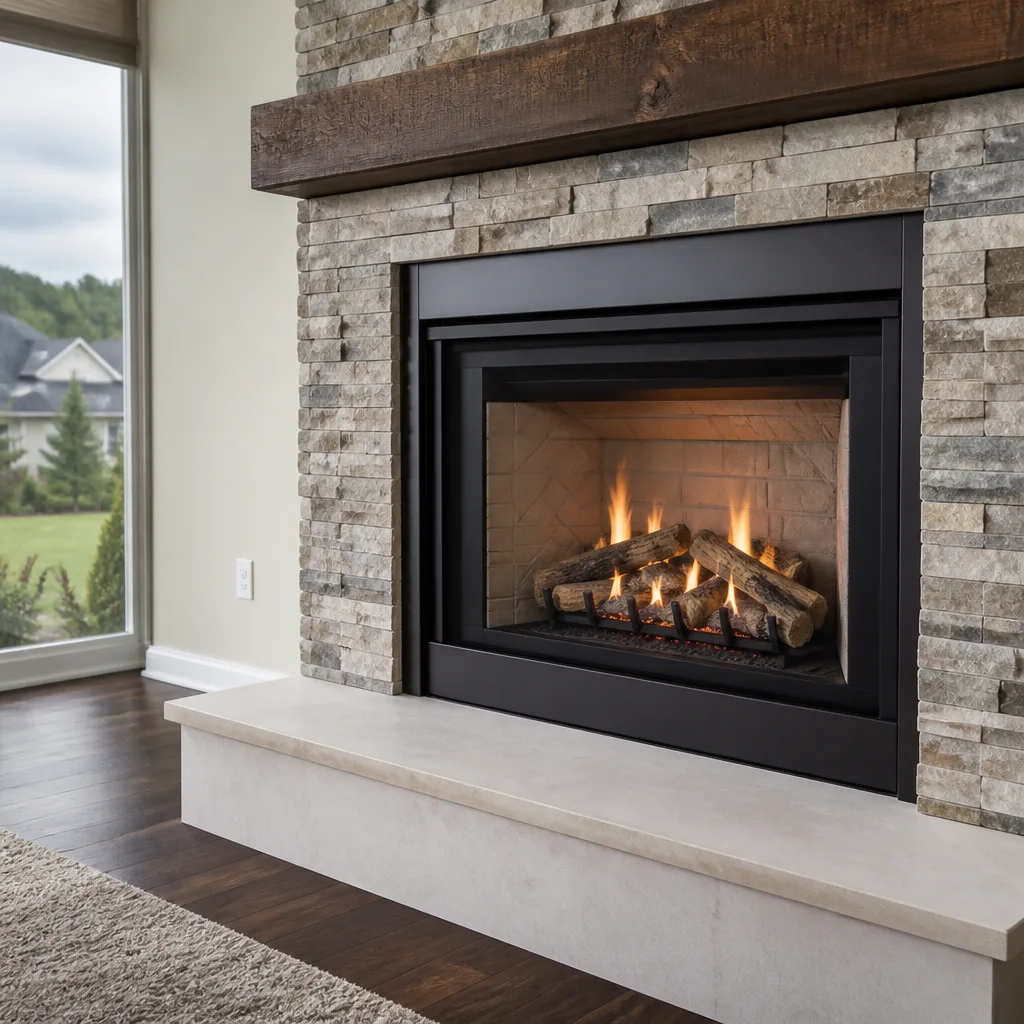
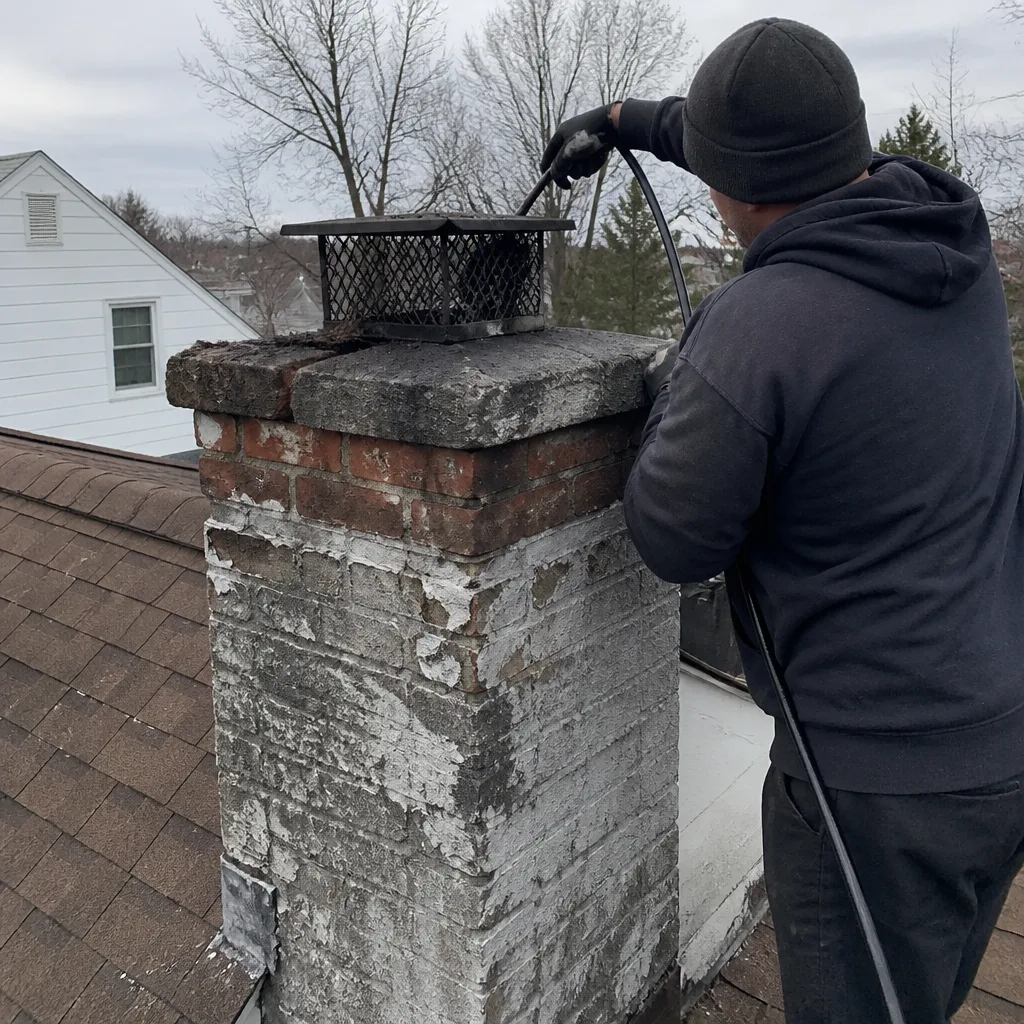 Before
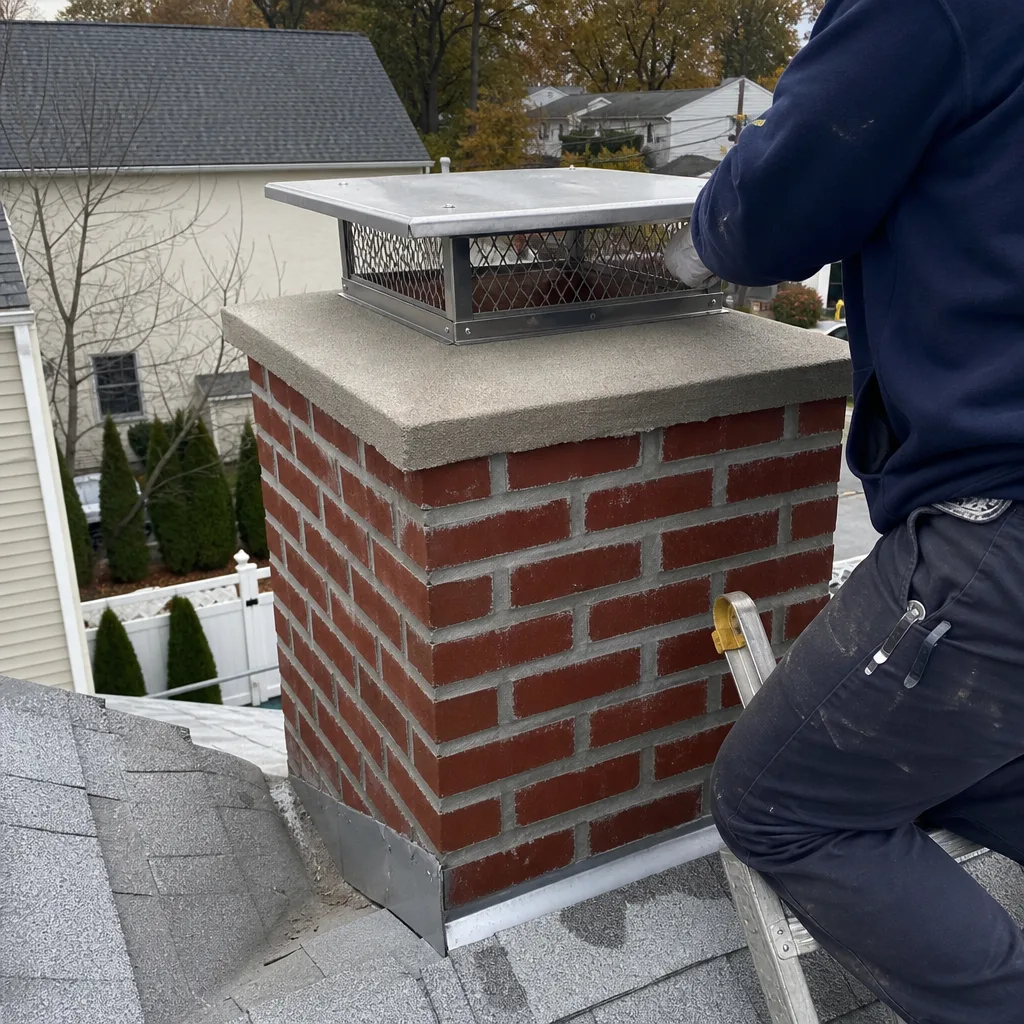 After
After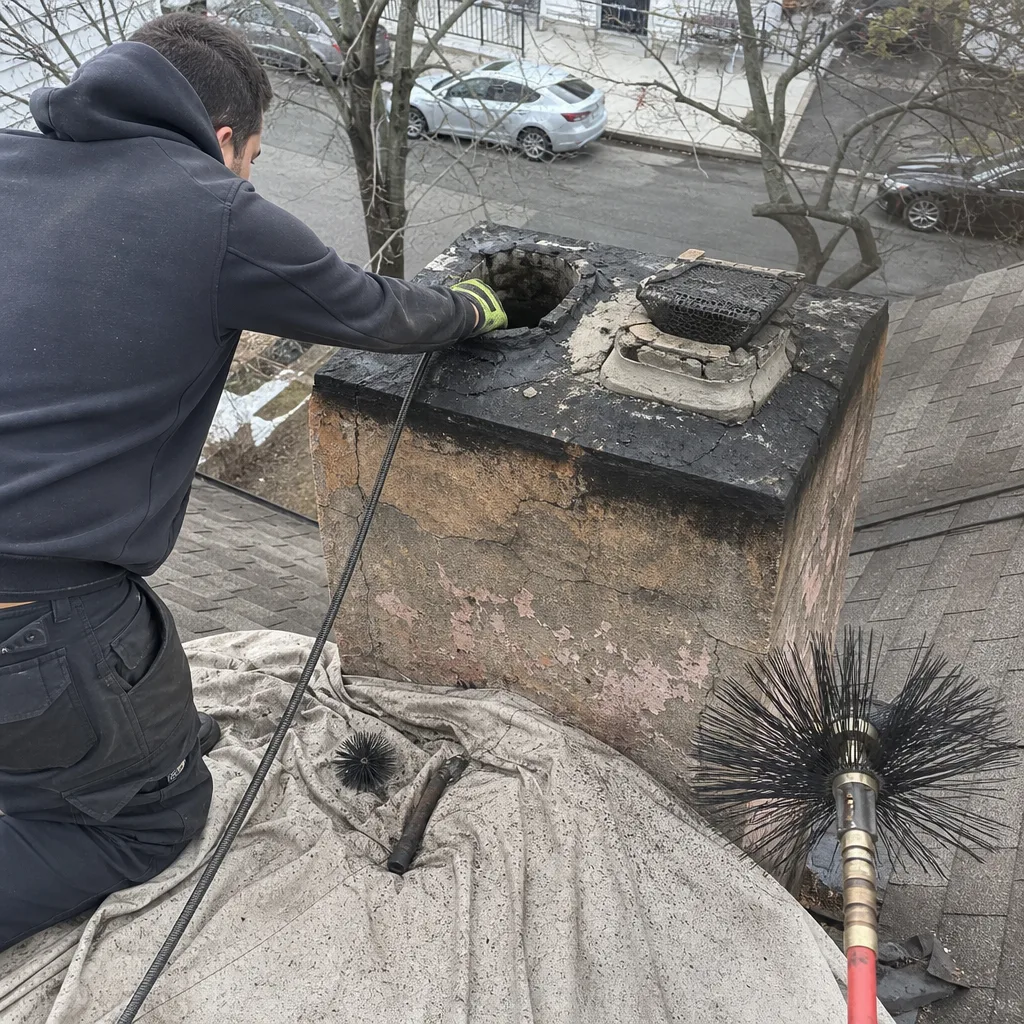 Before
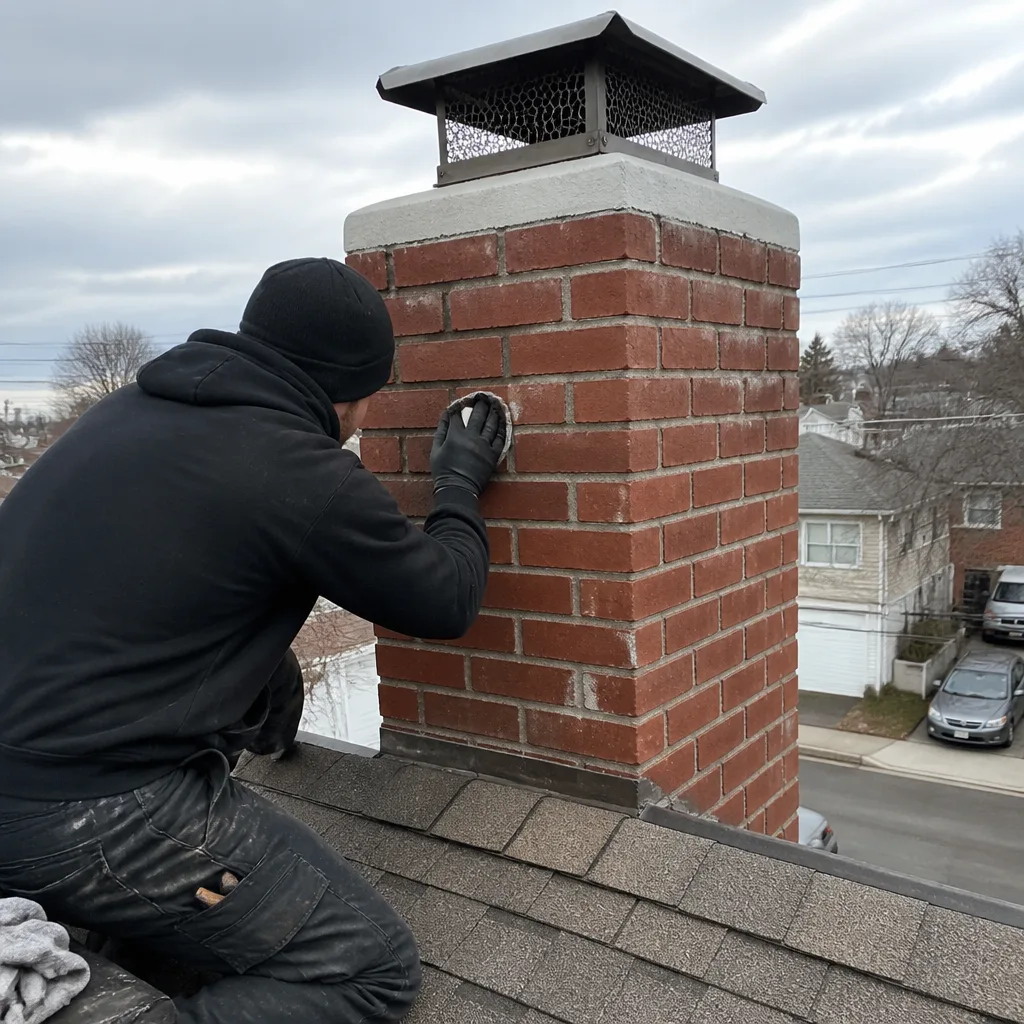 After
After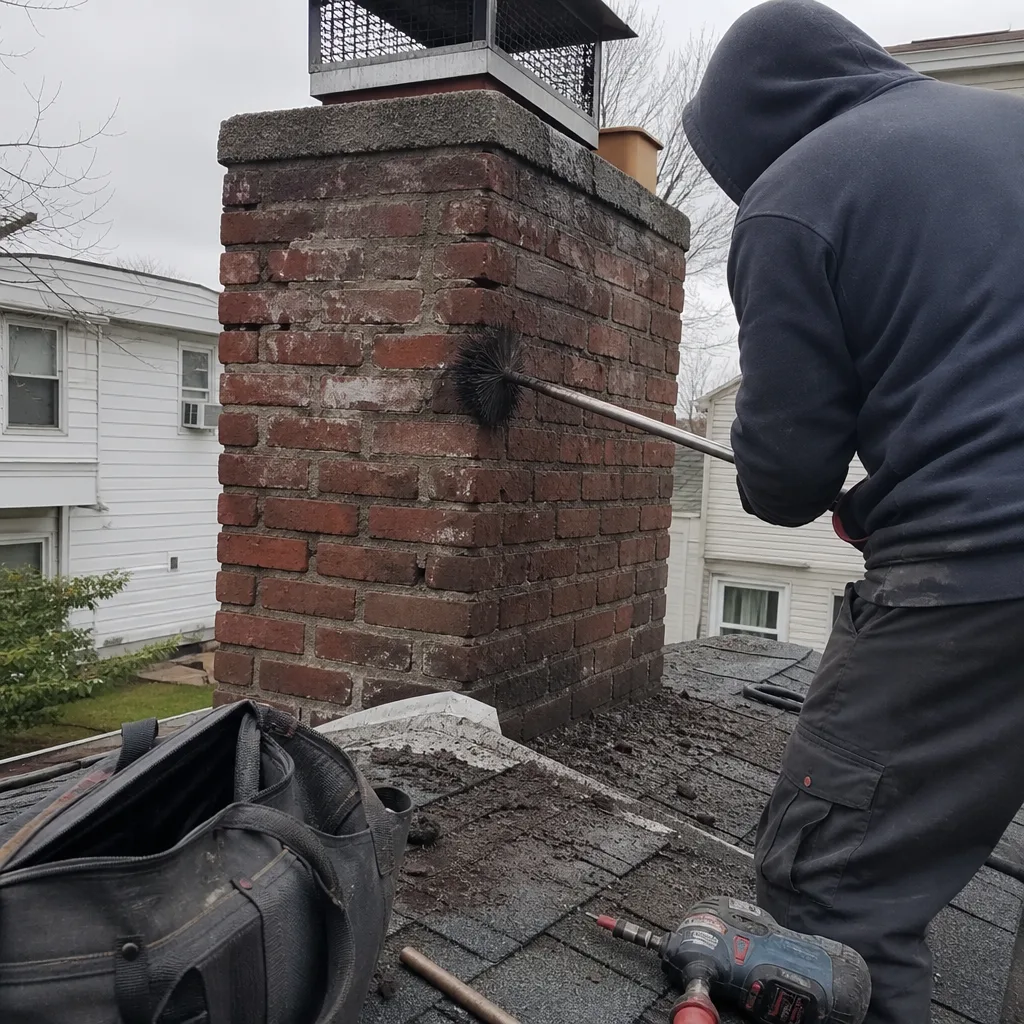 Before
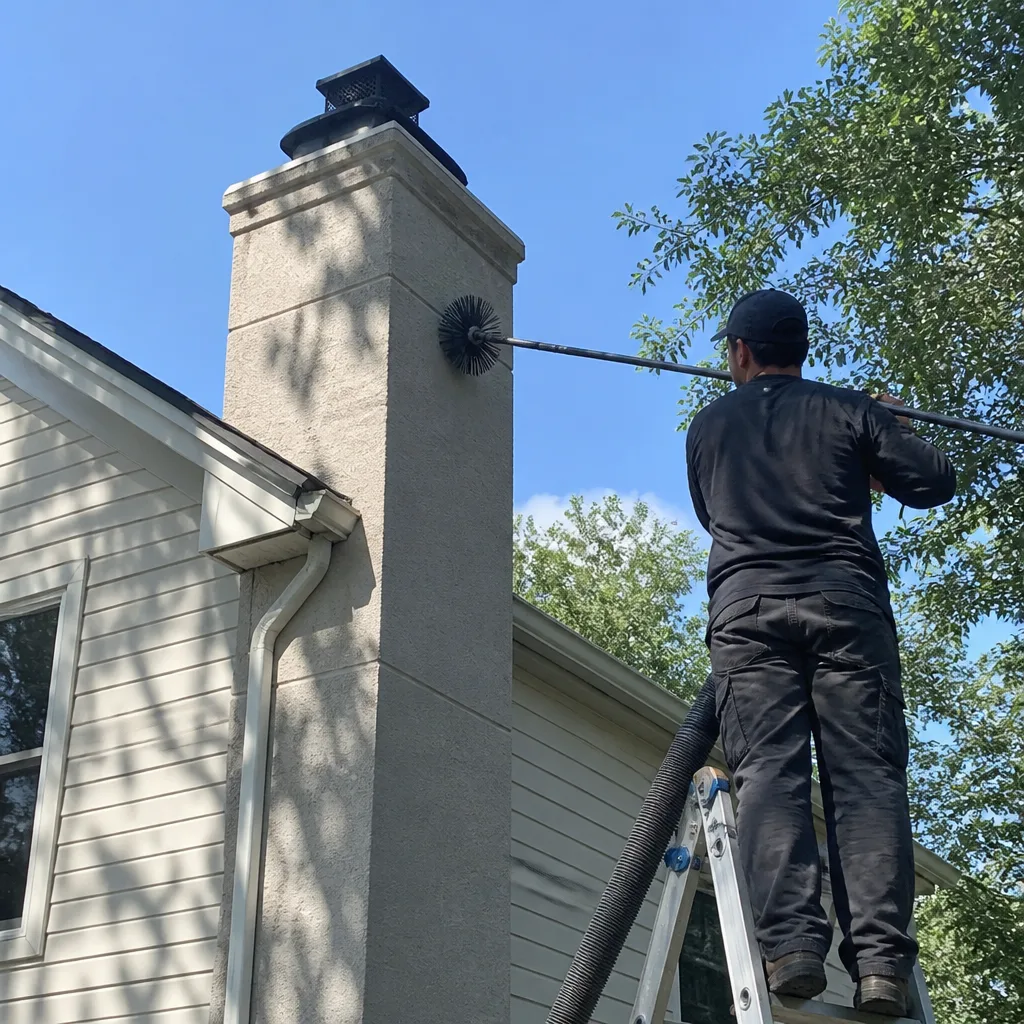 After
AfterThe Complete Guide to Chimney Cleaning in Staten Island
A chimney can pass a visual glance-over in four minutes and still have a quarter-inch of glaze creosote coating the liner - the kind that turns a house fire from possible to inevitable. We’ve spent over four decades in Staten Island homes, and the most common story we hear isn’t about a dirty flue. It’s about a homeowner who paid for a cleaning, saw a clean-looking firebox, and assumed the job was done right. The flue above was never touched. This guide gives you the reference standard a legitimate sweep works against, so you can tell the difference between swept and swept-looking. You’ll learn what a properly cleaned flue looks like at each stage, why Staten Island’s housing stock creates unique risks, and how to read the documentation that separates real work from a receipt with no evidence.
Quick Answer
Professional chimney cleaning in Staten Island costs between $150 and $350 for a standard sweep, depending on accessibility, creosote buildup severity, and whether a Level 2 camera inspection is included. A legitimate cleaning removes all loose soot and glazed creosote from the flue liner, smoke chamber, and firebox, and leaves behind dated photos of the before-and-after condition plus a written verdict. In Staten Island’s climate, with salt air off the Kill Van Kull and freeze-thaw cycles that accelerate mortar damage, annual cleaning is the minimum for active wood-burning systems.
Table of Contents
- What a Properly Cleaned Flue Looks Like
- Why Staten Island Chimneys Fail Differently
- The Three CSIA Inspection Levels Explained
- Salt Air, Freeze-Thaw, and Mortar Deterioration
- The Documentation a Legitimate Sweep Leaves Behind
- Chimney Cleaning Costs in Staten Island
- How Often Should You Clean Your Chimney
- Choosing a Chimney Company in Staten Island
What a Properly Cleaned Flue Looks Like
Most homeowners have never seen inside their flue. That’s the gap a fake cleaning exploits. Here’s what you should expect at each stage of legitimate work.
Stage One: The Before Photo
Before any brush touches your chimney, a professional sweep documents the starting condition. This means a camera lowered through the flue showing the full liner surface. You should see:
- The color and texture of creosote deposits - fluffy black soot, crunchy stage-two buildup, or shiny, tar-like glaze creosote
- Any cracks, gaps, or missing mortar joints in clay tile liners
- Obstructions: bird nests, collapsed liner sections, or masonry debris
- The smoke chamber shape and any corbelled brick exposed to direct heat
In our experience across Staten Island’s pre-war housing stock, particularly in neighborhoods like Westerleigh and Stapleton where chimneys often date to the 1920s, the “before” image frequently reveals glaze creosote that homeowners didn’t know existed. It looks like brown or black glass. It does not brush off. It requires a rotary mechanical treatment with chains or whips, and sometimes a chemical conditioner first.
Stage Two: The During
Legitimate cleaning follows a sequence:
- Protect the work area with drop cloths and HEPA containment
- Run a rotary mechanical system the full length of the flue, matching brush head to liner material - poly for clay tile, steel for masonry, custom adapters for stainless steel liners from brands like DuraFlex
- Scrape the smoke chamber and firebox to remove all loose material
- Vacuum all debris with a HEPA-filtered system
- Apply chemical conditioner if glaze creosote requires a second pass
The sweep should not leave until the flue surface is uniformly exposed - bare clay tile, clean stainless steel, or treated masonry with no remaining deposits.
Stage Three: The Verified After
This is where most fake cleanings fall apart. A legitimate sweep returns the camera to the same positions and shows you the comparison. The after photo should show:
- Visible liner joints with no black coating obscuring them
- Consistent surface color - no streaks of remaining creosote
- Smoke chamber walls with original masonry or parged surface exposed
- Dated, geotagged images stored in your customer file
At Hearthstone Chimney Co., we’ve built our reputation on this documentation standard. Russell Haines established it when he took ownership, and we haven’t varied from it. Photos you can see, a plain-English verdict - documented like an engineer, explained like a craftsman.
Why Staten Island Chimneys Fail Differently
Generic chimney advice assumes a suburban single-family home with a modern flue. Staten Island’s housing reality is different, and those differences create failure patterns you won’t find in national guides.
Dense Housing and Shared Walls
Staten Island’s older neighborhoods - Port Richmond, New Brighton, Tompkinsville - contain thousands of attached and semi-attached homes built before 1950. These structures often share chimney structures between units or have flues that vent multiple appliances in ways that wouldn’t pass modern code. The result is:
- Flue gases cooling too quickly in oversized or shared flues, accelerating creosote condensation
- Cross-drafting between units when one fireplace operates and another doesn’t
- Hidden deterioration in party walls that exterior inspection cannot reveal
We’ve found clay tile liners in West Brighton with spalling so severe that chunks had fallen and partially blocked the flue - a condition invisible from the firebox and undetectable without camera inspection.
Aging Clay-Tile Liners
Clay tile was the standard liner material through the 1970s. In Staten Island’s housing stock, much of it is now 50 to 100 years old. These liners fail in specific patterns:
- Spalling: Freeze-thaw cycles cause the tile surface to flake and crumble, narrowing the flue opening
- Shifting: Foundation settling in coastal soils cracks liner sections apart, creating gaps for heat and gases
- Glaze buildup in offset joints: Older installations with stepped offsets collect creosote at each turn
When we install replacement liners in Staten Island, we use DuraFlex stainless steel or HeatShield cerfractory sealant systems - materials rated for the specific temperature and corrosion demands of each application. No builder-grade substitutes.
The Three CSIA Inspection Levels Explained
The Chimney Safety Institute of America defines three inspection levels. Understanding which you actually need prevents paying for unnecessary work and protects you from companies that skip required steps.
Level 1: The Routine Check
A Level 1 inspection is a visual examination of readily accessible portions of the chimney exterior, interior, and connecting appliances. No tools are used to open panels or access concealed areas. This is appropriate when:
- Your appliance and flue haven’t changed
- You’re continuing the same use as previous years
- No performance problems or external events (earthquake, chimney fire, lightning strike) have occurred
Some companies in Staten Island advertise ” Level 1 included with sweep” but perform only a firebox glance. A legitimate Level 1 still requires roof access to examine the crown, cap, and exterior masonry.
Level 2: The Camera Inspection
Level 2 is required by NFPA 211 when:
- Any change is made to the appliance or flue system
- A property is sold or transferred
- An external event may have caused damage
- A malfunction or operating problem exists
This is the inspection that matters for most Staten Island homeowners. It includes video scanning of the internal flue surfaces, accessible portions of attics and crawl spaces, and examination from the roof. At Hearthstone Chimney Co., our Level 2 inspections end with photos you receive by email, a written condition report, and a plain-English verdict on what needs attention now, what can wait, and what to monitor.
Level 3: The Invasive Examination
Level 3 is rare. It involves removing building materials - drywall, masonry, chimney surrounds - to access concealed portions of the system. This is only justified when a Level 1 or 2 inspection indicates a serious hazard that cannot be evaluated otherwise. If a company recommends Level 3 without clear evidence from a lower level, get a second opinion. Our chimney repair consultations include free second opinions on any written estimate.
Salt Air, Freeze-Thaw, and Mortar Deterioration
Staten Island’s geography creates a chimney environment distinct from inland New York or even neighboring boroughs. Understanding this explains why local experience matters.
The Kill Van Kull and Lower Bay Effect
Salt-laden air from the Kill Van Kull, Arthur Kill, and Lower Bay penetrates masonry year-round. In winter, that salt attracts moisture. When temperatures drop below freezing, the water expands, forcing mortar joints apart. This cycle repeats dozens of times each winter. The result is accelerated deterioration compared to chimneys in Westchester or northern New Jersey, even in homes of similar age.
In neighborhoods closest to the water - Tottenville, Great Kills, South Beach - we’ve documented mortar erosion rates twice what we see in inland sections of the island. The crown, the chimney’s concrete cap, takes the worst damage. A cracked crown allows water directly into the flue structure, where freeze-thaw destroys liners from the outside in.
Spalling Patterns We See in Staten Island
Spalling - the flaking and crumbling of brick or tile surfaces - shows up differently here than in drier climates:
- Coastal spalling: Salt crystallization below the surface pushes off outer layers; appears as white efflorescence first, then crumbling
- Thermal spalling: Rapid temperature swings from cold exterior to hot flue gases stress clay tiles; common in chimneys venting both fireplaces and furnaces
- Chemical spalling: Sulfur compounds from condensed flue gases react with mortar; accelerated in chimneys with poor draft or oversized flues
Proper cleaning removes the creosote that feeds chemical spalling. Proper inspection catches the other types before they compromise structural integrity. Our technicians carry Gelco and Copperfield crown repair materials specifically formulated for coastal exposure - not generic hardware-store products that fail in two seasons.
The Documentation a Legitimate Sweep Leaves Behind
The difference between a cleaning and a performance is paperwork. Here’s what you should receive, and what its absence means.
The Receipt-Only Problem
A receipt reading “Chimney swept - $199” proves nothing. It doesn’t describe what was found, what was done, or what condition remains. We’ve inspected Staten Island chimneys where the homeowner produced three years of such receipts, and our camera revealed glaze creosote thick enough to require mechanical removal. Those homeowners paid for a performance, not a cleaning.
What Proper Documentation Includes
- Before-and-after photographs: Dated, with the camera positioned at the same flue locations; you should see liner joints, smoke chamber, and firebox in both sets
- Written condition report: Specific observations, not generic checkboxes - “3/8-inch glaze creosote at 12-16 feet, removed with rotary chains; clay tile spalling at second offset, 15% surface loss, monitor annually”
- Plain-English verdict: What needs action now, what can wait, what to watch; no scare language, no pressure
- Service description: Equipment used, access methods, materials applied
- Company credentials: License numbers, insurance confirmation, technician identification
- Guarantee terms: In writing, with clear remedy if something isn’t right
At Hearthstone Chimney Co., our 90-Day Done Right Promise covers every cleaning. In writing, no arguing - if it’s not right, we come back. That’s the Keystone Standard: Krafted right, Every time, Your home first, Standing behind it.
Chimney Cleaning Costs in Staten Island
Pricing transparency matters. Here’s what professional chimney cleaning costs in the Staten Island market, based on our 42 years of local service.
| Service | Price Range | What’s Included |
|---|---|---|
| Standard chimney sweep (wood-burning fireplace) | $150 - $220 | Mechanical cleaning of flue, smoke chamber, firebox; basic debris removal; Level 1 inspection |
| Sweep with Level 2 camera inspection | $220 - $350 | Full rotary cleaning; internal video scan; before/after photos; written condition report |
| Glaze creosote removal (mechanical) | $180 - $340 additional | Rotary chains or whips; chemical conditioner if needed; second pass verification |
| Gas appliance flue cleaning | $130 - $190 | Debris removal, draft testing, connector inspection |
| Chimney cap and crown inspection with sweep | $170 - $250 | Full sweep plus roof-level examination; photo documentation of crown condition |
Factors that affect your specific price:
- Accessibility: Steep roofs, multiple stories, or limited equipment access add time and safety equipment
- Creosote severity: Stage 3 glaze requires mechanical removal; heavy buildup may need chemical pretreatment and return visit
- Liner type: Stainless steel liners from DuraFlex require specific brush heads; unlined masonry needs different approach than clay tile
- Obstructions: Bird nests, collapsed masonry, or animal removal are separate services
Our standing offer: $89 Seasonal Tune-Up for qualifying systems, and $50 off any repair over $250. Plus a permanent 5% Senior and Veteran discount. No-hassle upfront pricing - the number on the estimate is the number on the invoice. Call (516) 613-3035 for an exact quote. Estimates are free.
How Often Should You Clean Your Chimney
The NFPA 211 standard is annual inspection, cleaning as needed. “As needed” depends on use, fuel, and system design. For year-round guidance, see our Seasonal Chimney Cleaning Care for Staten Island: Year-Round Homeowner’s Guide. Here’s the practical breakdown for Staten Island homeowners.
Wood-Burning Fireplaces
Clean after every cord of seasoned hardwood burned, or annually - whichever comes first. In practice, most Staten Island homeowners who use their fireplace as primary supplemental heat burn 1.5 to 3 cords per winter. That means cleaning at mid-season and end-of-season for heavy users.
Softwood, unseasoned wood, or manufactured logs accelerate creosote buildup. We’ve cleaned chimneys in New Dorp where the homeowner burned construction scrap and created stage-three glaze in six weeks. The fuel matters more than the calendar.
Gas Fireplaces and Inserts
Gas burns cleaner but produces corrosive condensation, especially in exterior chimneys common in Staten Island’s older housing. Annual inspection is still the standard; cleaning every 2-3 years removes debris and verifies draft performance. Our fireplace services include gas system testing as part of seasonal maintenance.
Oil and Gas Furnace Flues
Furnace flues deteriorate from the inside due to acidic condensation. Annual inspection catches this before it becomes a carbon monoxide hazard. Cleaning removes soot that restricts draft. In Staten Island’s climate, furnace flues in unconditioned exterior chimneys are particularly vulnerable to freeze-thaw damage combined with internal corrosion.
The Real Schedule Most People Follow
Honest answer: most homeowners clean when they remember, which is usually when smoke starts backing up or a home inspector flags it for sale. That’s a gamble. Carbon monoxide doesn’t announce itself. Neither does a chimney fire in its early stages - it often sounds like a distant train or roaring wind, easy to dismiss until it’s not.
Choosing a Chimney Company in Staten Island
Not every company with a brush and a truck performs legitimate work. Here’s how to distinguish craftsmen from operators.
Verify Credentials Directly
CSIA certification can be verified at csia.org. Insurance should be confirmed with the carrier, not taken on trust. We’ve encountered uninsured operators in Staten Island who present a certificate that expired years ago. Ask for the certificate, then call the insurer.
Ask Specific Questions Before Booking
- Will you provide before-and-after photos from inside my flue?
- What level of inspection is included, and what does it cover?
- What equipment will you use on my specific liner type?
- What documentation will I receive when the job is complete?
- What happens if I’m not satisfied with the work?
Companies that hedge on photo documentation, that can’t explain inspection levels, or that offer a price too low to cover proper time and equipment - these are red flags. A proper cleaning takes 45 minutes to 2 hours depending on system complexity. A four-minute “sweep” is theater.
What Hearthstone Chimney Co. Offers
We’ve served Staten Island communities for over 42 years. Our technicians are background-checked, uniformed, and complete most jobs in a single visit. Explore our more guides & resources to protect your home year-round. Calls are answered by a live person, 24 hours a day, 7 days a week - not voicemail, not a callback queue. We use professional-grade materials from DuraFlex, HeatShield, Gelco, and Copperfield. And we document every inspection with photos and a plain-English verdict, because a homeowner who can see the condition of their own chimney cannot be sold work they don’t need.
Russell Haines built this standard when he established Hearthstone Chimney Co. in 2014, continuing a tradition of craftsmanship that dates to our founding in 1984. We’re not the cheapest option. We’re the one that plans to be here in thirty years, and acts accordingly.
Common Mistakes to Avoid
- Judging a cleaning by the firebox alone. The firebox is the easiest part to clean and the least important for safety. Creosote accumulates in the flue, smoke chamber, and liner - areas you cannot see without a camera. Demand flue documentation.
- Hiring based on the lowest price. A $99 sweep that skips roof access, omits camera inspection, and leaves no documentation costs more than it saves. We’ve re-cleaned chimneys in Westerleigh where the homeowner paid twice because the first job was incomplete.
- Ignoring salt-air damage. Staten Island’s coastal exposure accelerates mortar and crown deterioration. Inland maintenance schedules don’t apply here. Annual inspection catches coastal damage before it penetrates to the flue structure.
- Assuming gas systems don’t need inspection. Gas flues corrode from condensation; blocked vents cause carbon monoxide accumulation. The “gas is clean” myth has hospitalized homeowners. Inspection is non-negotiable.
- Accepting verbal recommendations without photo evidence. If a sweep says you need a new liner, crown rebuild, or masonry repair, the reason should be visible in dated photos with clear annotation. No photos, no work.
- Skipping cleaning because the chimney “looks fine.” Creosote is black on black. Glaze creosote is nearly invisible in dim light. The exterior reveals nothing about the interior condition.
- Using unseasoned or improper fuel to save money. Green wood, construction debris, or paper products create dangerous buildup fast. The savings on fuel are erased by accelerated cleaning costs and fire risk.
When to Call a Professional
Call a certified chimney professional when you notice smoke backing up into the room, a strong odor from the fireplace when not in use, visible debris falling into the firebox, white staining on exterior masonry, or any change in draft performance after weather events. If you’re buying or selling a home in Staten Island, a Level 2 inspection is required by standard real estate practice and often by insurance. If you haven’t had your chimney inspected in the past 12 months, schedule now - before burning season, when appointment availability tightens and emergency calls carry premium pricing.
Hearthstone Chimney Co. offers free estimates throughout Staten Island. A live person answers every call, 24 hours a day. Reach us at (516) 613-3035.
Frequently Asked Questions
A standard chimney sweep in Staten Island typically costs between $150 and $220, while a sweep with Level 2 camera inspection ranges from $220 to $350. Heavy glaze creosote removal adds $180 to $340. Prices vary based on accessibility, liner type, and buildup severity. Call (516) 613-3035 for an exact quote - estimates are free.
You need a new liner when the existing one is cracked, spalled, or missing sections to the degree that it cannot contain flue gases and sparks. In Staten Island’s aging housing stock, clay tile liners often reach this condition after 50-100 years. A legitimate company shows you camera evidence of the damage and explains whether relining with stainless steel from DuraFlex or resurfacing with HeatShield cerfractory sealant is appropriate. No photo evidence, no work authorized.
Active wood-burning systems should be inspected annually and cleaned after every cord of seasoned hardwood or at least once per year. In Staten Island’s coastal climate with salt-air and freeze-thaw exposure, gas and oil flues also need annual inspection, with cleaning every 2-3 years for gas and annually for oil. Heavy use, unseasoned fuel, or system changes accelerate the schedule.
Skipped cleaning allows creosote to accumulate, restricting draft and creating fuel for chimney fires. Stage-three glaze creosote ignites at approximately 451°F - temperatures easily reached in normal operation. In Staten Island’s dense neighborhoods, a chimney fire can spread to attached structures before occupants detect it. Carbon monoxide from blocked or damaged flues is the other risk: odorless, colorless, and potentially fatal. The hazard is real, but so is the prevention.
A sweep is the physical removal of deposits from the flue and firebox. An inspection is the evaluation of system condition, structure, and clearance to combustibles. They are related but distinct. A sweep without inspection misses deteriorating conditions; an inspection without sweep leaves hazardous deposits in place. Professional service combines both appropriately for your system.
Homeowners can perform basic firebox cleaning and ash removal. Flue cleaning requires proper equipment, roof access, and knowledge of liner-specific techniques. More critically, without camera inspection you cannot verify that cleaning was complete or identify hidden damage. For safety-critical systems in Staten Island’s aging housing stock, professional service with documentation is the prudent choice. The cost of professional cleaning is minor compared to the consequences of incomplete work.
Demand before-and-after photos from inside the flue, showing the same locations with dated timestamps. The after photos should reveal clean liner joints with no black coating. Receive a written report describing what was found and what was done. Without this documentation, you have no evidence the flue was touched. We’ve re-cleaned Staten Island chimneys where the homeowner paid for service and received only a clean firebox - the flue above was untouched.
The Bottom Line
A clean chimney is not a matter of appearance. It is a verified condition, documented with photos, explained in plain language, and backed by a guarantee. In Staten Island’s specific environment - salt air, freeze-thaw cycles, aging clay-tile liners, dense housing stock - the risks are local and the solutions must be too. The protection that works is not hope, not a receipt, not a glance into the firebox. It is knowing what a properly cleaned flue looks like, demanding that standard, and keeping the documentation. Done right - and we stand behind it.
Written by Russell Haines, Owner at Hearthstone Chimney Co., serving Staten Island since 2014.