
Level 1 sweep and inspection to the NFPA 211 annual standard - flue, crown, cap, and flashing checked and photographed
Chimney sweep logs do not sweep chimneys. They loosen some creosote - which then falls where a brush and vacuum still have to collect it.
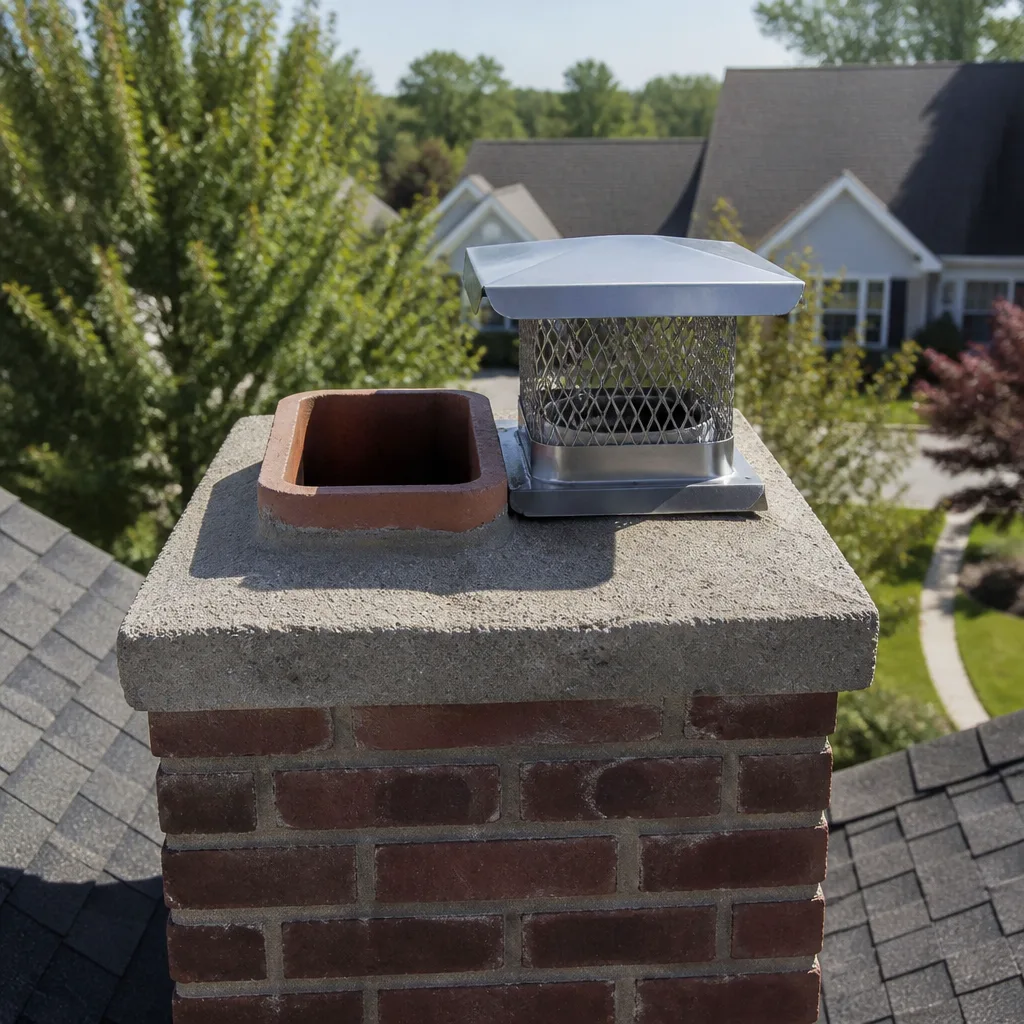
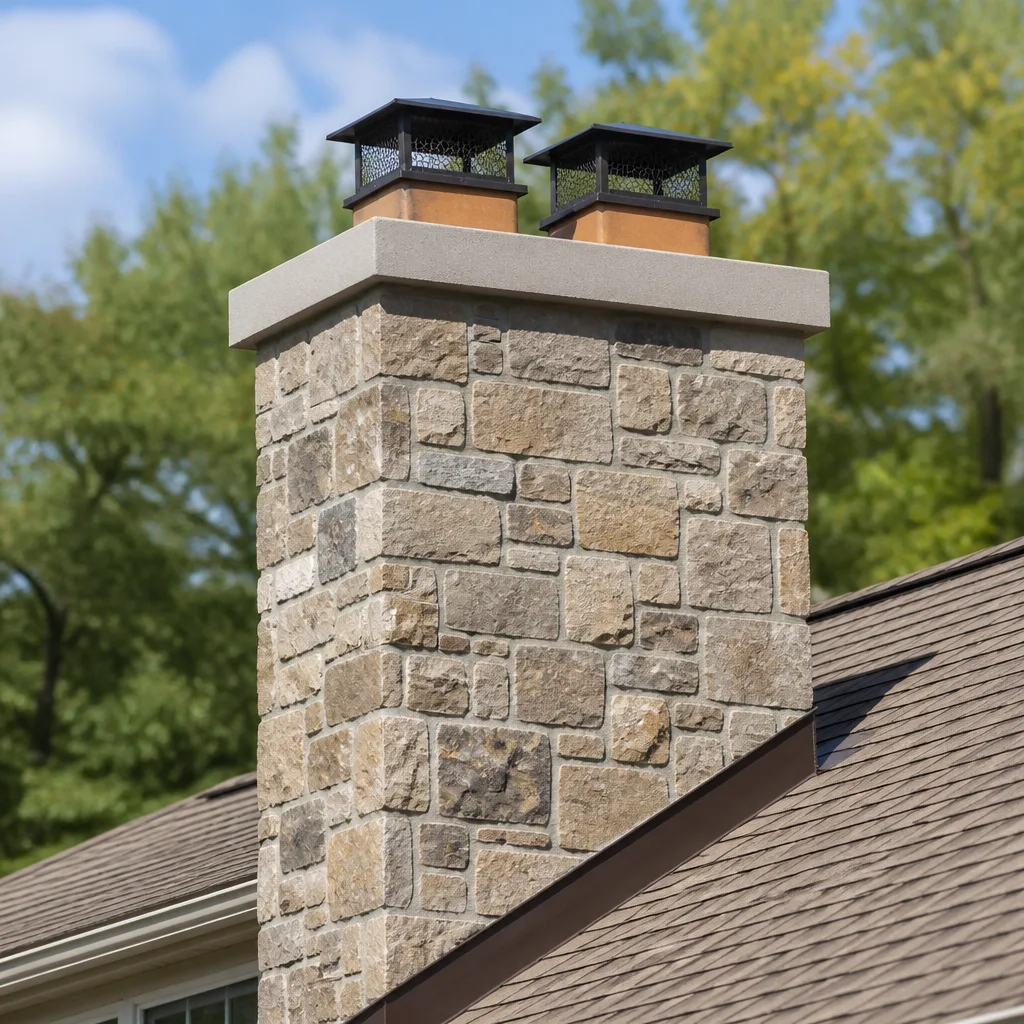
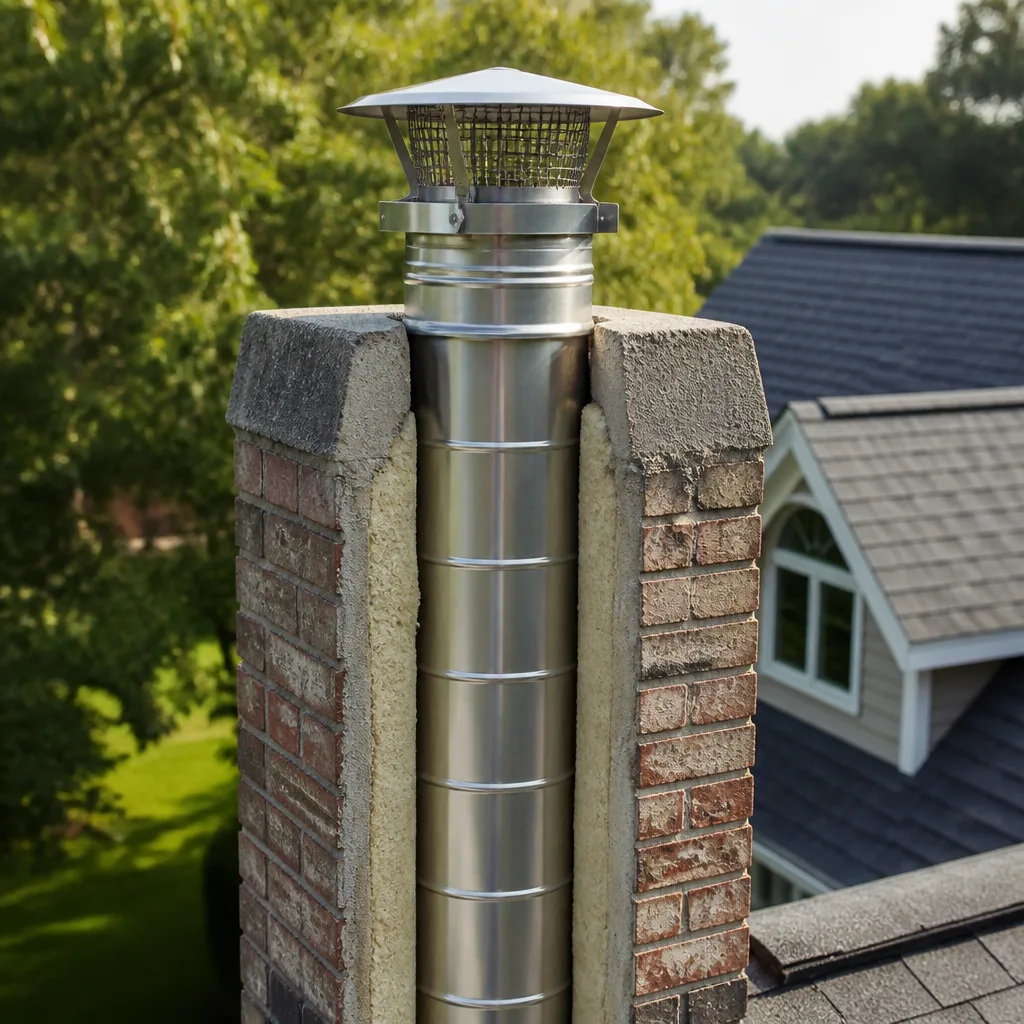
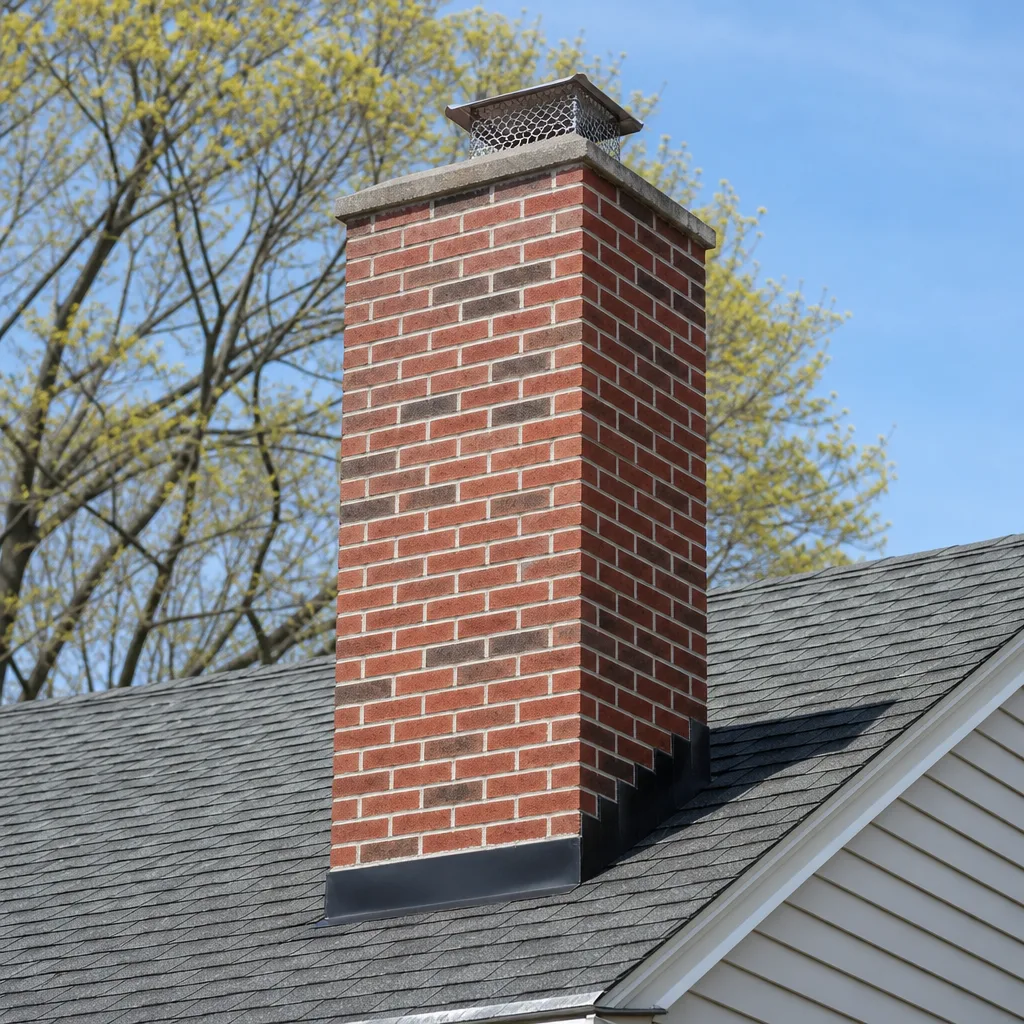
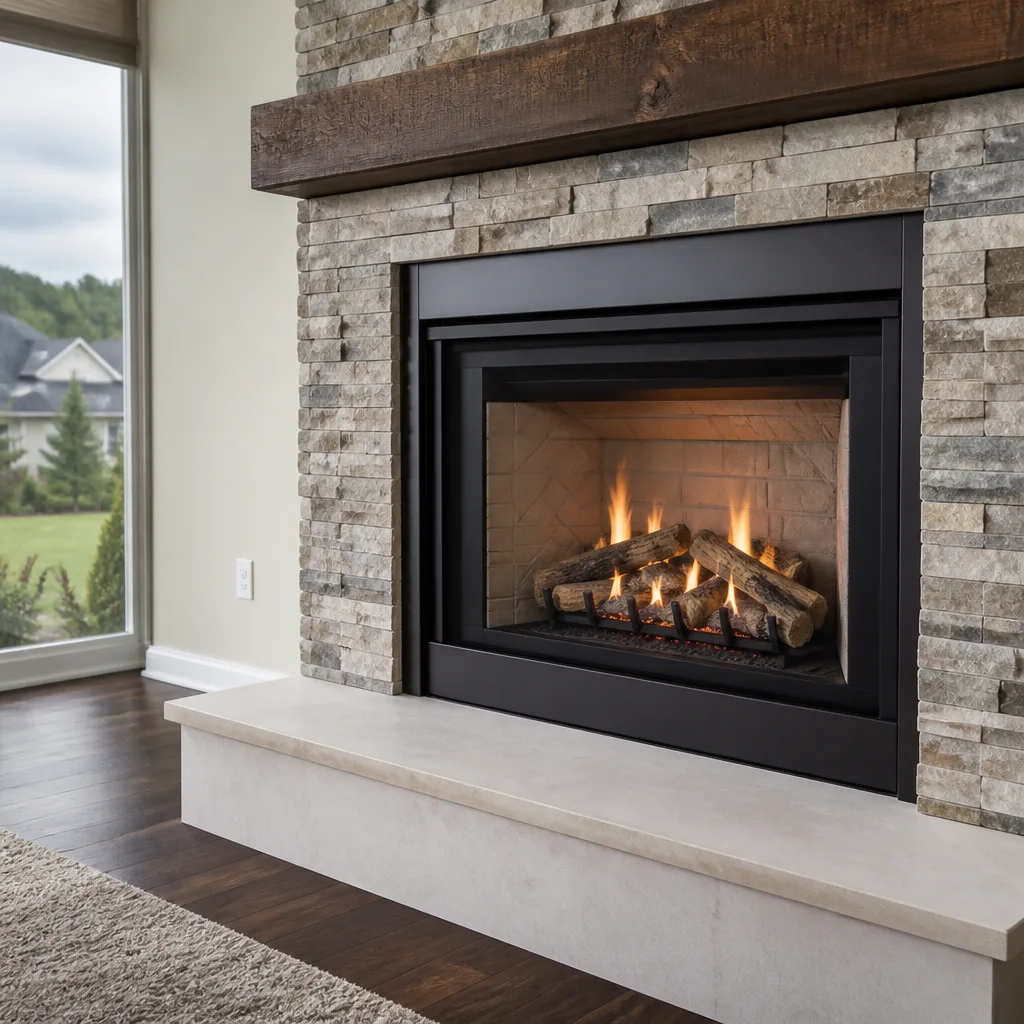
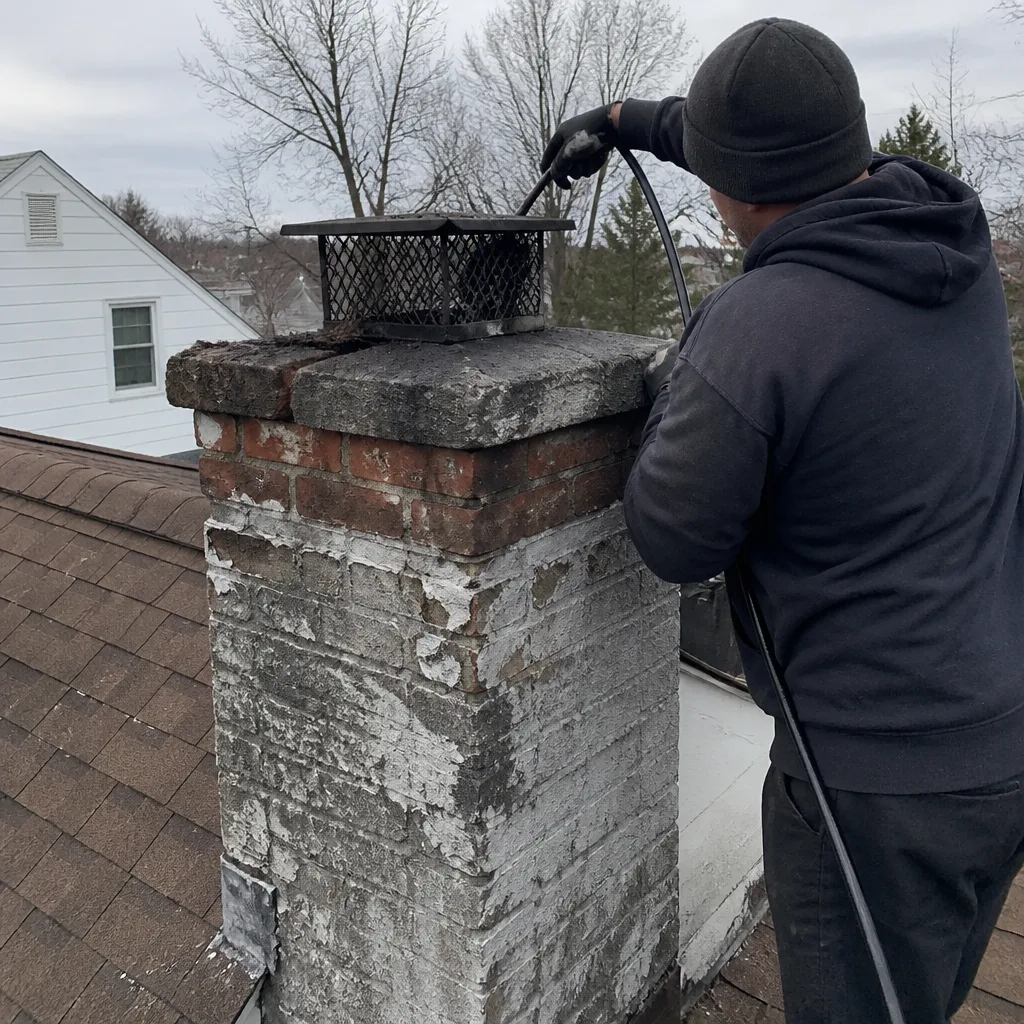 Before
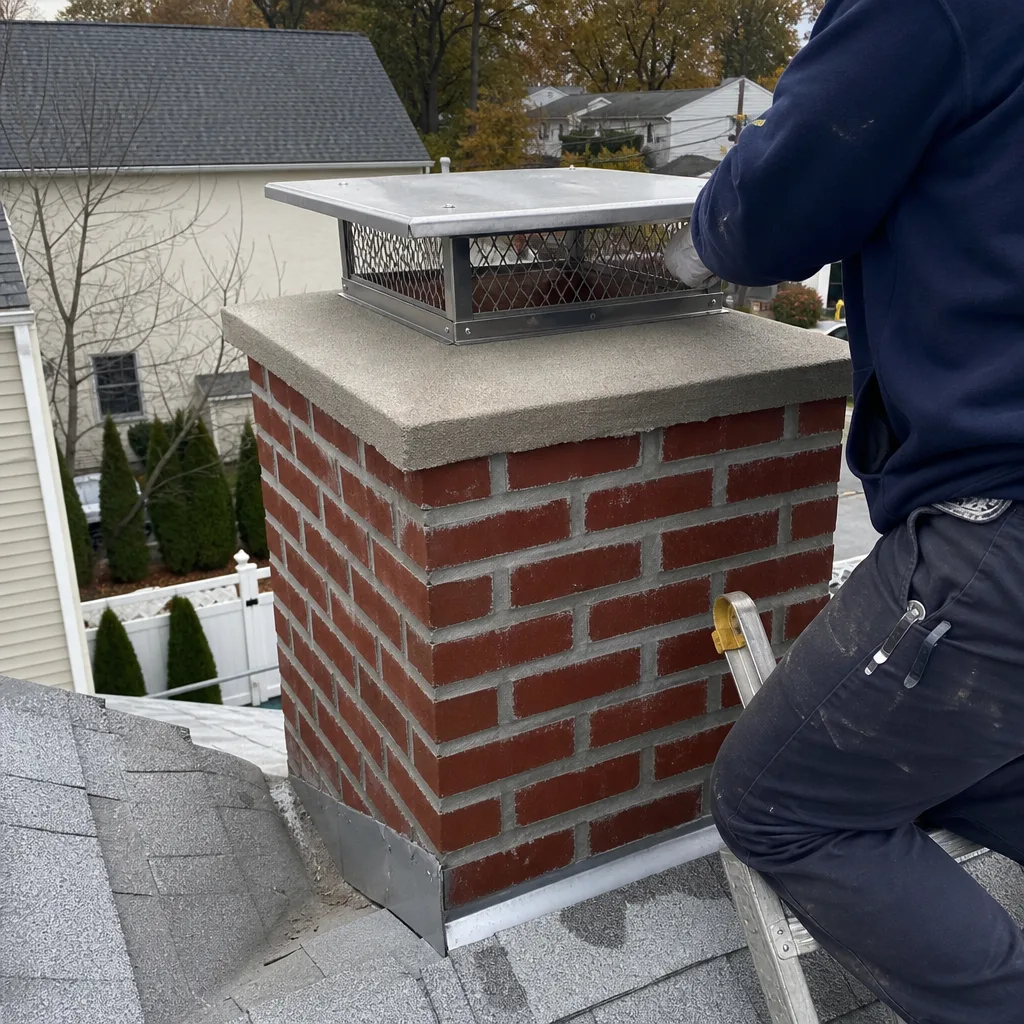 After
After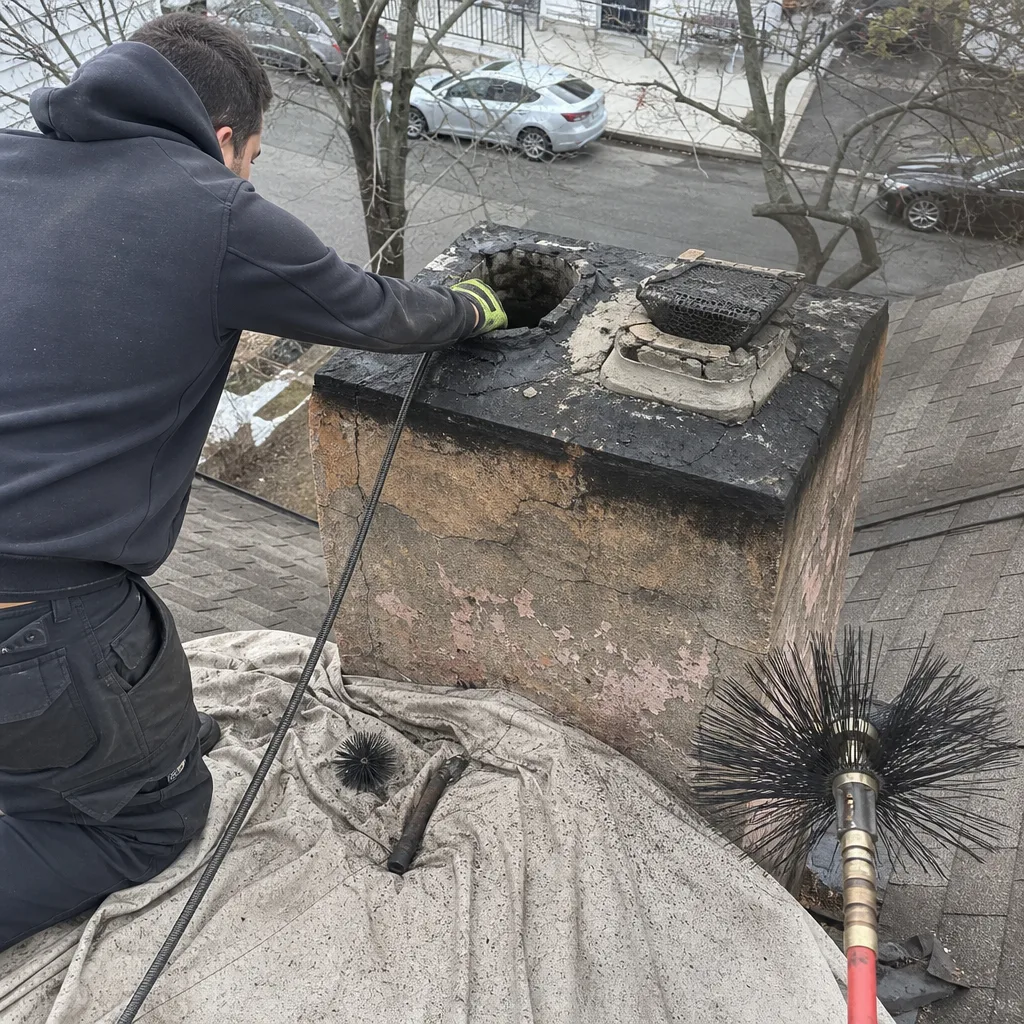 Before
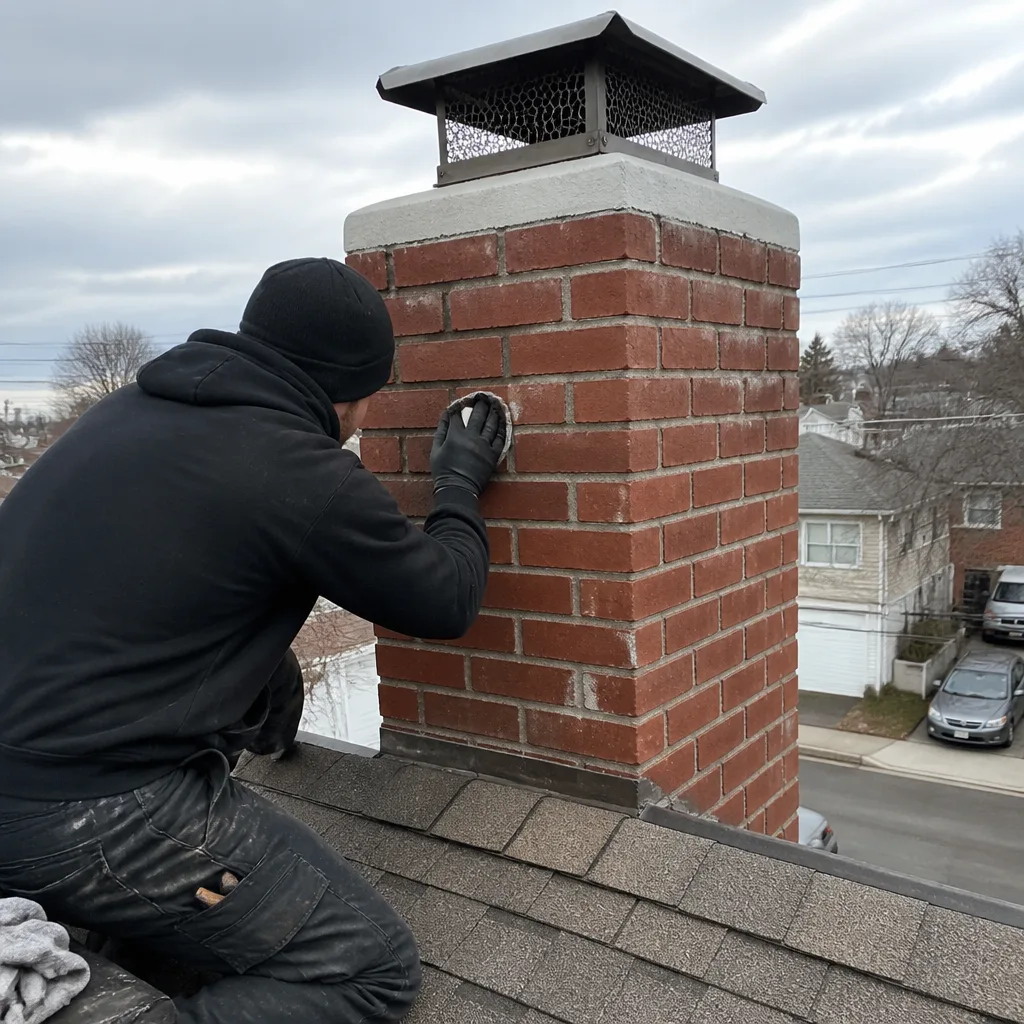 After
After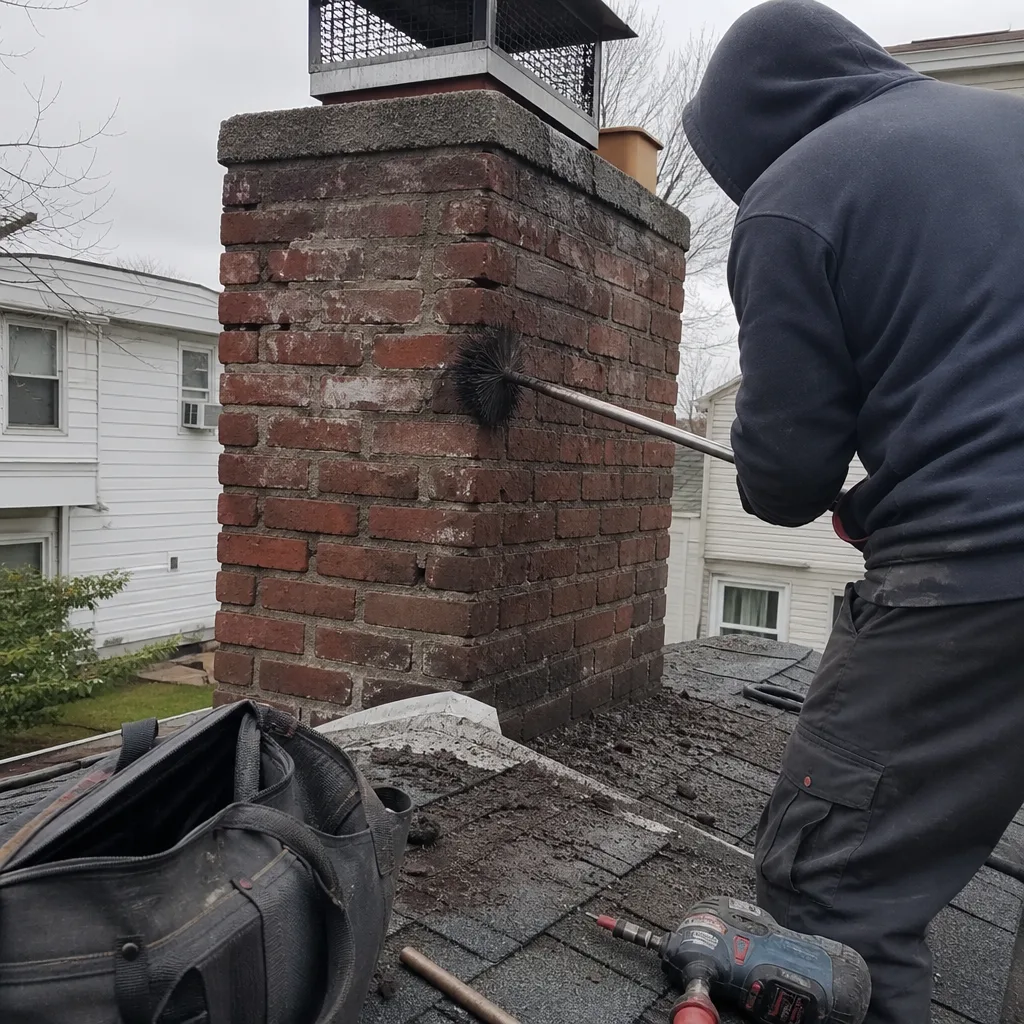 Before
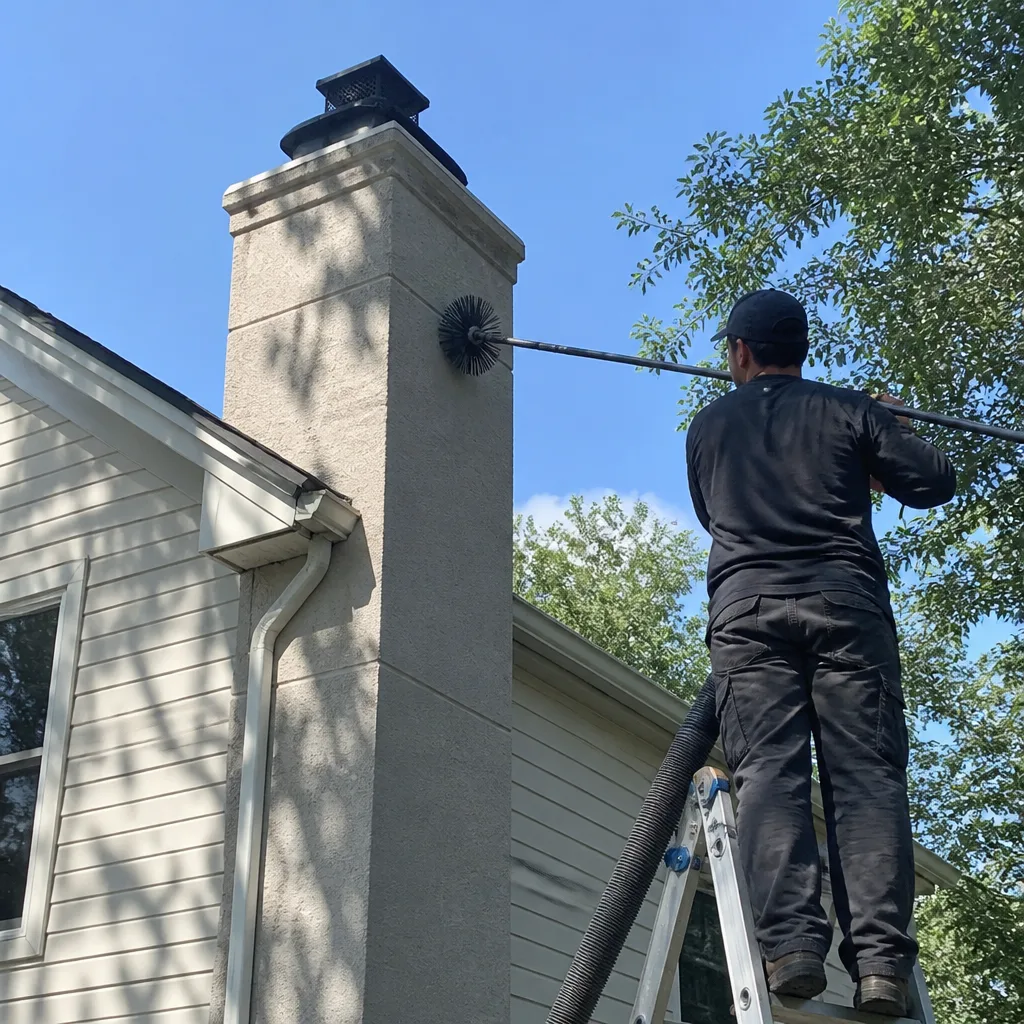 After
AfterMortar Repointing in Staten Island, NY
Mortar repointing is the process of removing deteriorated mortar from the joints between chimney bricks and packing them with fresh, properly mixed mortar – restoring the watertight seal that keeps water, freeze-thaw damage, and structural failure from working their way through your chimney. For most Staten Island homeowners, repointing is the right repair when the joints have cracked or receded but the bricks themselves are still sound. It costs considerably less than a partial rebuild, and when it’s done correctly, it stops the problem at the source.
At Hearthstone Chimney Co., we’ve been repointing chimneys on Staten Island since 1984 – over 42 years of working on the brick-and-mortar construction that defines neighborhoods from Tottenville to St. George. Russell Haines leads the team, and every repointing job we take on is covered by our 90-Day Done Right Promise in writing. If something isn’t right after we leave, we come back. No paperwork, no arguing. This work is also part of our broader Chimney Repair in Staten Island service – so if we find more than deteriorated joints when we’re up on the stack, we can address it in the same visit.
To schedule a free estimate, call us at (516) 613-3035. A live person answers every hour of every day – not a voicemail, not an app.
When You Need Mortar Repointing
Mortar doesn’t fail all at once. It softens, cracks, and recedes gradually – and because most of the chimney sits above the roofline, the damage goes unnoticed until water is already inside the masonry. These are the signs that tell us repointing is overdue:
- Mortar joints that are visibly cracked, crumbling, or recessed more than a quarter inch. When you can catch a fingernail or a coin in the joint, the seal is gone. Water has been getting in every time it rains.
- White staining (efflorescence) on the face of the brick. That chalky white film is mineral salt pushed outward by moisture moving through the masonry – a reliable sign that water is traveling through compromised joints. In Staten Island’s wet winters, we see this frequently on chimneys that were last pointed in the late 1980s or early 1990s.
- Spalling brick faces near the joints. Once water penetrates a failing joint and freezes, it expands and pops the face off adjacent bricks. Staten Island’s temperature swings – dropping well below freezing in January while staying damp from coastal air off the Kill Van Kull – accelerate this cycle faster than most homeowners expect.
- Water stains on interior walls or ceilings near the fireplace. If water is finding its way inside the house, it has usually been moving through open mortar joints for more than one season. By the time it shows up on drywall, the masonry itself often needs attention too.
- A chimney that hasn’t been inspected in more than ten years. Most mortar mixes used before the late 1990s have a practical lifespan of 25 to 35 years in a coastal climate. If your chimney was built or last repointed before the mid-1990s, there’s a reasonable chance the joints are due – even if nothing looks obviously wrong from the ground.
- Recent Level-2 inspection findings showing joint deterioration. Our camera inspections document the condition of joints above the roofline and inside the smoke chamber – areas that are simply invisible from the ground. If a prior inspector flagged mortar issues in photos, that’s the right time to act before a single season of freeze-thaw turns a moderate repair into a partial rebuild.
Our Mortar Repointing Process
Repointing isn’t a surface coat over old mortar. Done properly, it means removing the degraded material to the right depth and packing the joint with a mortar mix that matches the original masonry. Cut corners here – wrong mix, wrong depth, mortar applied over crumbling substrate – and the repair fails in two or three winters. This is how we do it:
- Inspection and documentation before a single tool touches the chimney. Russell Haines or one of our background-checked technicians starts at the top – literally. We use our Level-2 camera system to photograph the condition of the crown, joints, and flue before we quote or begin any work. You get photos you can actually see and a plain-English explanation of what we found. No guessing, no verbal estimates that shift once we’re on the roof.
- Old mortar removed to the correct depth. We cut or rake out deteriorated mortar to a minimum depth of three-quarters of an inch – enough that fresh mortar has a true mechanical bond, not just a surface grip. Shallow pointing is the most common reason repointing jobs fail prematurely. We don’t rush this step.
- Joint surfaces cleaned and prepped. Loose particles, dust, and old mortar fragments are cleared from the open joint. On porous older brick common in Westerleigh and New Dorp-era construction, we dampen the joints before packing – dry brick pulls moisture out of fresh mortar too fast and weakens the cure.
- Fresh mortar packed and tooled to match. We mix mortar to match the original in both strength and composition. This matters: a mortar that’s harder than the surrounding brick doesn’t flex with the masonry and can actually cause brick spalling over time. The joint is packed in lifts, tooled to match the original profile, and finished cleanly so it sheds water the way it was designed to.
- Final inspection and photo documentation. When the work is done, we photograph the completed joints alongside the before-condition photos. You get a record you can keep. If we’re ever back on that chimney, we have a baseline to work from.
- 90-Day Done Right Promise activated. Every repointing job we complete is covered in writing. If mortar separates, cracks, or fails to bond within 90 days, we return and make it right at no charge – no paperwork, no argument. That’s not a marketing phrase; it’s how we’ve built a 42-year reputation on Staten Island.
Mortar Repointing Pricing in Staten Island
Mortar repointing on Staten Island typically runs between $400 and $2,500 depending on chimney height, the number of sides requiring work, and how much of the stack is involved. For a detailed breakdown, see How Much Does Chimney Repair Cost? (2026 Price Guide) - Staten Island, NY. Most single-story residential chimneys with one or two deteriorated sides fall in the $400 to $900 range. Taller chimneys – the kind common on the older Victorian-era homes in St. George and Stapleton – or chimneys requiring full four-side repointing land closer to $1,200 to $2,500. When the chimney crown also needs repair or replacement, that’s typically a separate line item.
| Scope of Work | Typical Price Range (Staten Island) |
|---|---|
| Spot repointing (minor joints, 1-2 sides) | $400 – $700 |
| Full repointing, single-story chimney | $700 – $1,100 |
| Full repointing, two-story or tall chimney | $1,100 – $1,800 |
| Full repointing + crown repair | $1,500 – $2,500 |
What moves a job toward the higher end of these ranges: significant scaffold or ladder setup for a steeply pitched roof, extensive joint deterioration requiring multiple passes, chimney height above 20 feet, or brick that has also spalled and needs individual brick replacement before repointing can hold. We’ll tell you upfront which category your chimney falls into – and the number on our estimate is the number on the invoice. No additions after the fact.
We also offer $50 off any repair over $250 and a permanent 5% discount for seniors and veterans. If you’ve already received a written estimate from another company, we’ll provide a free second opinion so you can compare scope and price on equal footing.
Call (516) 613-3035 to schedule a free estimate. We’ll give you a straight number, not a range that expands once we’re on your roof.
Why Staten Island Chimneys Need Repointing More Often Than Most
This isn’t a sales point – it’s geography. Staten Island sits between the Hudson and Raritan Bay, and the moisture load on masonry here is genuinely higher than it is in inland communities. The combination of humid summers, damp coastal air through the fall, and freeze-thaw cycles that can hit multiple times in a single February is hard on mortar joints – especially the older portland-lime mixes used in pre-1980s construction that’s still common in Annadale, Great Kills, and the North Shore neighborhoods.
We also see a pattern specific to the post-war ranch and cape construction in areas like Eltingville and Bay Terrace: chimneys that were built in the 1950s and 1960s with a harder mortar mix than the brick warranted. When those chimneys reach their 60s and 70s in age, the mortar has often outlasted the brick surface integrity – and what looks like a joint problem turns out to also include spalling brick faces. A proper inspection catches that before repointing is wasted on brick that can’t hold it.
That’s one reason we start with photographs rather than a quote. You deserve to know what you’re actually dealing with before you spend anything.
Materials We Use for Repointing
The mortar mix matters more than most people realize. We work with professional-grade materials – never builder-grade substitutes – and we match the mortar type to the age and composition of the existing masonry. For chimneys with heat-exposed joints near the firebox opening or smoke chamber, we use refractory-rated materials including products from the HeatShield line where the application calls for it. For the exterior stack, we select a mix appropriate to the brick hardness – softer historic brick needs a softer mortar, or the repair creates new damage over time.
We also carry and use products from Copperfield for related chimney accessories and components when a repointing job turns into a broader chimney repair. If we find a cap that’s cracked or a crown that’s compromised, we don’t make a return trip – we handle it the same day with materials we already have on the truck.
FAQs – Mortar Repointing
How much does mortar repointing cost in Staten Island?
Mortar repointing in Staten Island typically costs between $400 and $2,500, depending on the chimney’s height, the number of sides that need work, and the overall extent of joint deterioration. Most single-story residential jobs with one or two affected sides land in the $400 to $900 range. Taller chimneys or full four-side repointing typically run $1,100 to $1,800. Call (516) 613-3035 for a free on-site estimate – we’ll give you a firm number, not a range that shifts once we’re up on the roof.
How do I know if my chimney needs repointing or a full rebuild?
Repointing is the right repair when the bricks themselves are structurally intact but the mortar joints are cracked, receded, or crumbling. A full rebuild becomes necessary when the brick faces are spalling severely, when sections of the chimney are leaning or separating, or when a Level-2 inspection reveals structural failure in the flue or firebox. We document both scenarios with photos before we quote anything, so you see exactly what condition the chimney is in rather than taking our word for it. Most chimneys we inspect in Staten Island need repointing, not a rebuild – but we’ll tell you plainly if the situation is the other way around.
How long does mortar repointing last on a Staten Island chimney?
A properly done repointing job – correct mortar mix, minimum three-quarter-inch joint depth, proper prep and curing – should last 20 to 30 years on a Staten Island chimney under normal conditions. The coastal climate and freeze-thaw cycles here do put more stress on masonry than inland locations, so the low end of that range is more realistic than the high end if winters are wet. Skimped jobs – shallow joint removal, hard mortar on soft historic brick, application in cold weather without proper precautions – often fail in three to five years. That’s why we start with the photos and take our time on the prep.
Can you repoint a chimney in cold weather?
Mortar requires adequate temperature to cure properly – fresh mortar that freezes before it sets will fail quickly. As a rule, repointing work below 40 degrees Fahrenheit is inadvisable unless specific cold-weather admixtures are used and the work area is protected. In practice, that means late November through early March is a limited window on Staten Island. If your chimney needs work going into winter, the best path is to get it scheduled before temperatures drop consistently. If a job can’t be done safely in cold conditions, we’ll tell you that plainly rather than take your money for work that won’t hold.
A Straight Deal, Done Right
Mortar repointing is not a flashy repair. You won’t see it from the street when it’s finished. What you’ll notice – over the next several winters – is that water isn’t finding new ways into your masonry, your interior walls stay dry, and you don’t get a call from a roofer telling you the chimney needs to come down. That’s the point of the work, and that’s the standard we hold ourselves to.
Hearthstone Chimney Co. has been doing this work on Staten Island since 1984. Russell Haines and the team we’ve built over those 42 years know the neighborhoods here, know the construction vintage of the housing stock, and know what a properly repointed chimney looks like when it’s done. Every job carries the 90-Day Done Right Promise in writing. Every estimate is the number you’ll see on the invoice. And a live person will answer when you call – any time, any day.
For a free mortar repointing estimate on Staten Island, call (516) 613-3035. We’ll schedule a time that works for you, show up when we say, and give you a straight answer about what your chimney needs.
You can also learn more about the full range of masonry and structural services we offer on our home page, or see everything that falls under our Chimney Repair in Staten Island service if you think repointing may be part of a larger issue.
Written by Russell Haines, Owner at Hearthstone Chimney Co., serving Staten Island since 1984.