
Level 1 sweep and inspection to the NFPA 211 annual standard - flue, crown, cap, and flashing checked and photographed
Chimney sweep logs do not sweep chimneys. They loosen some creosote - which then falls where a brush and vacuum still have to collect it.
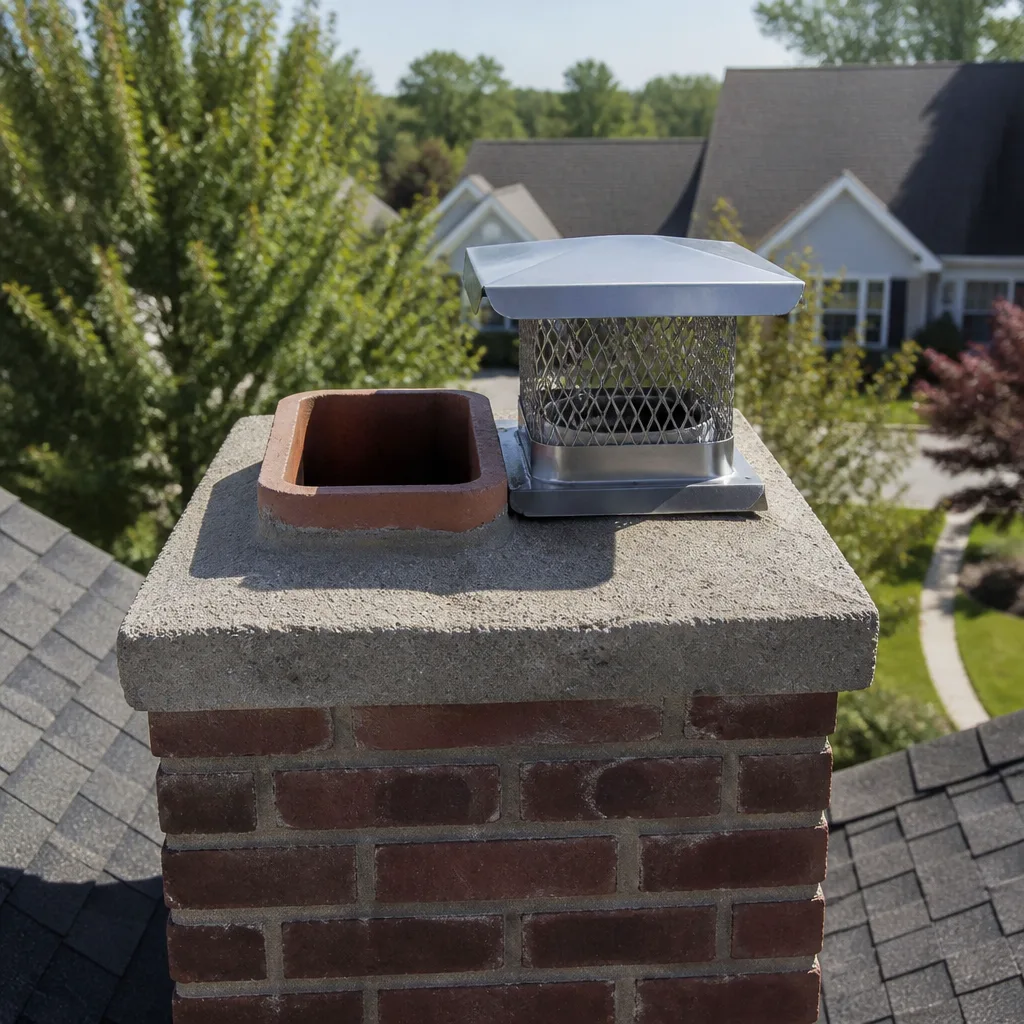
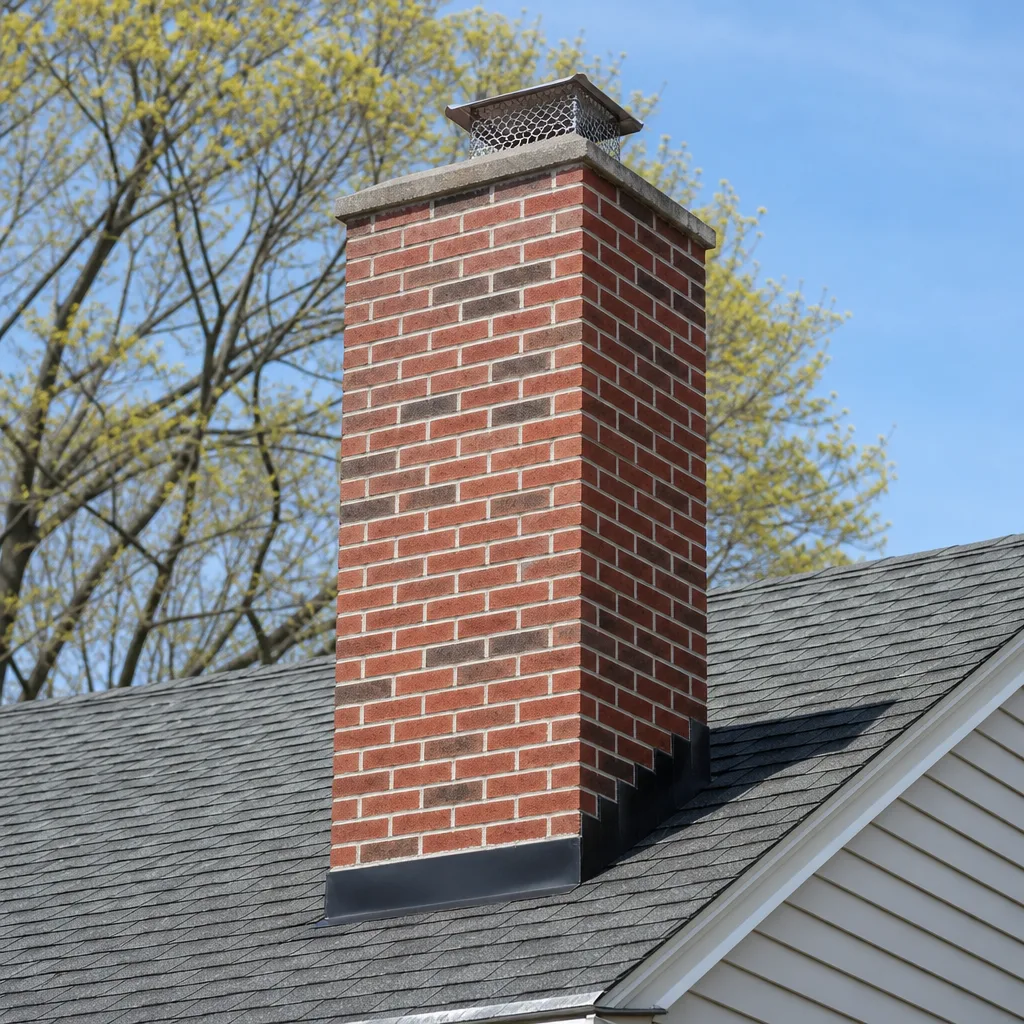
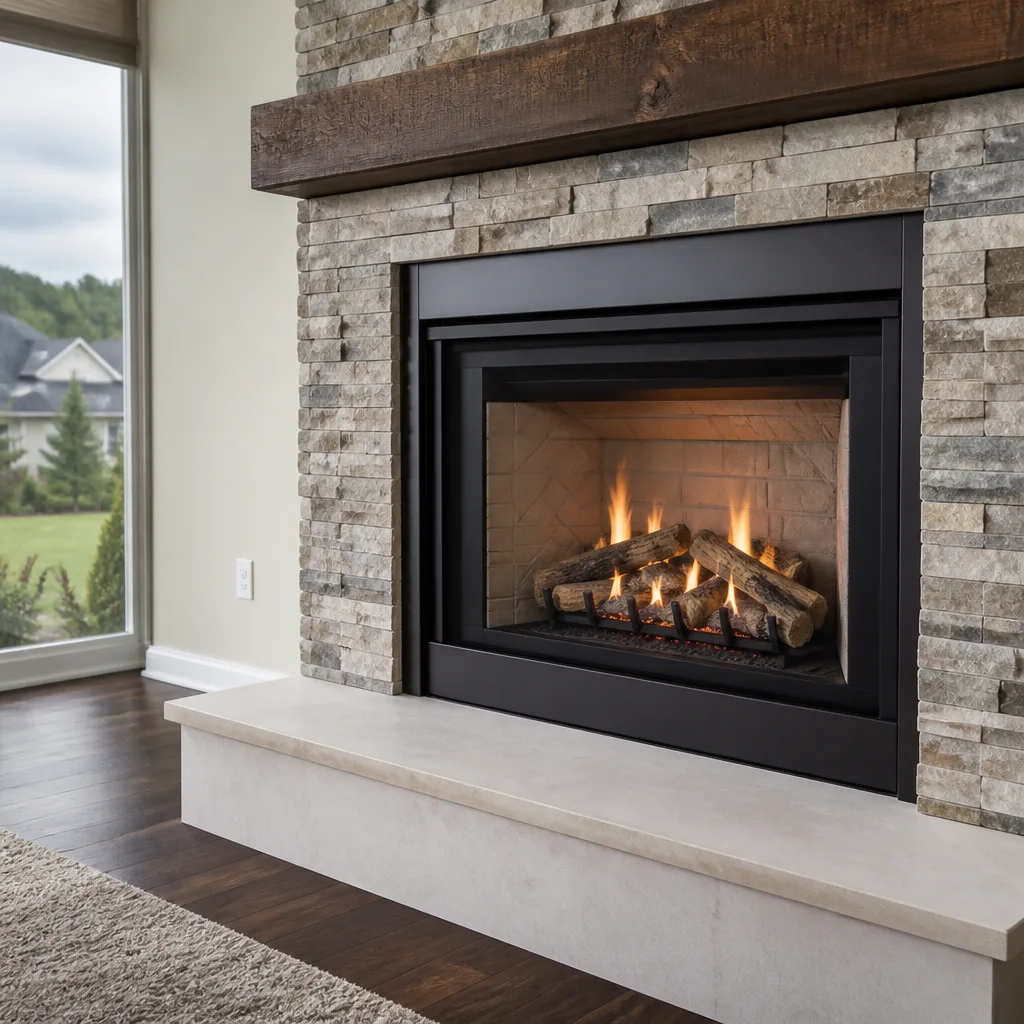
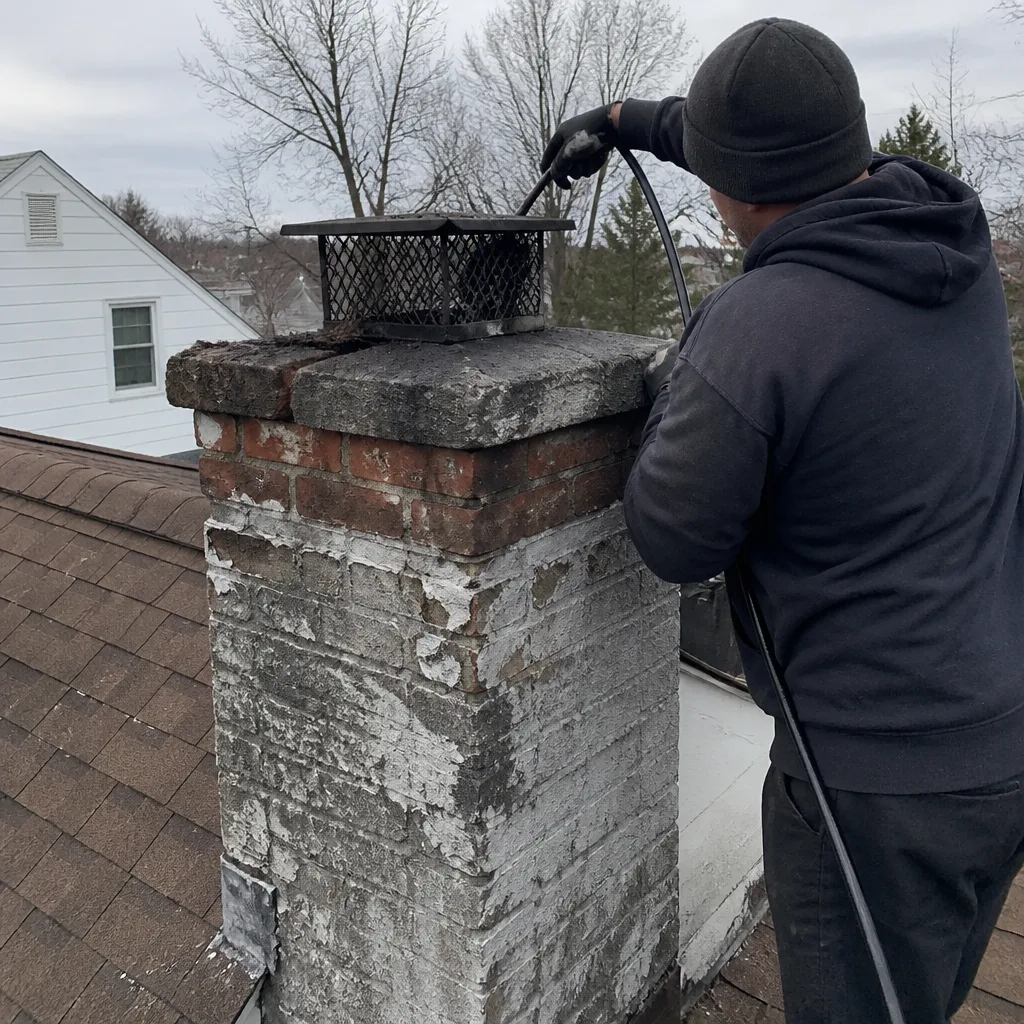 Before
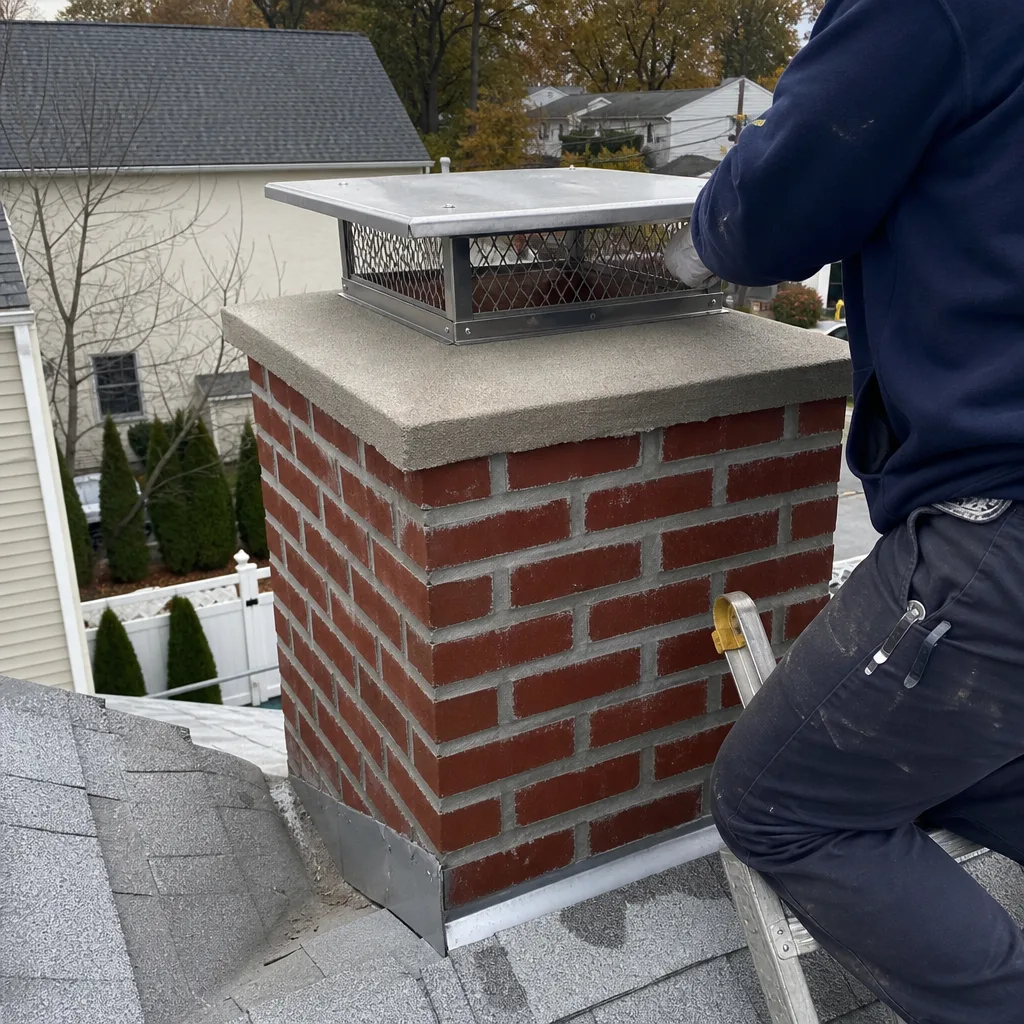 After
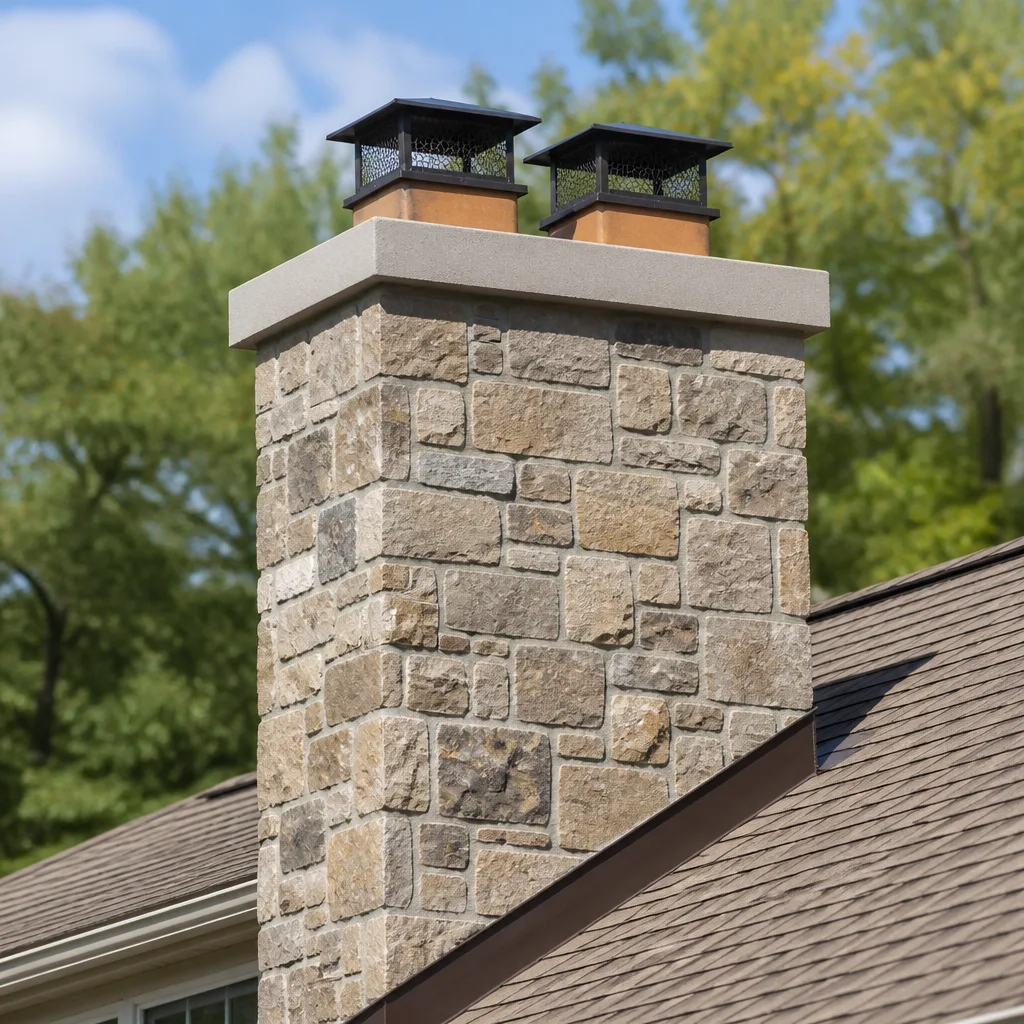
After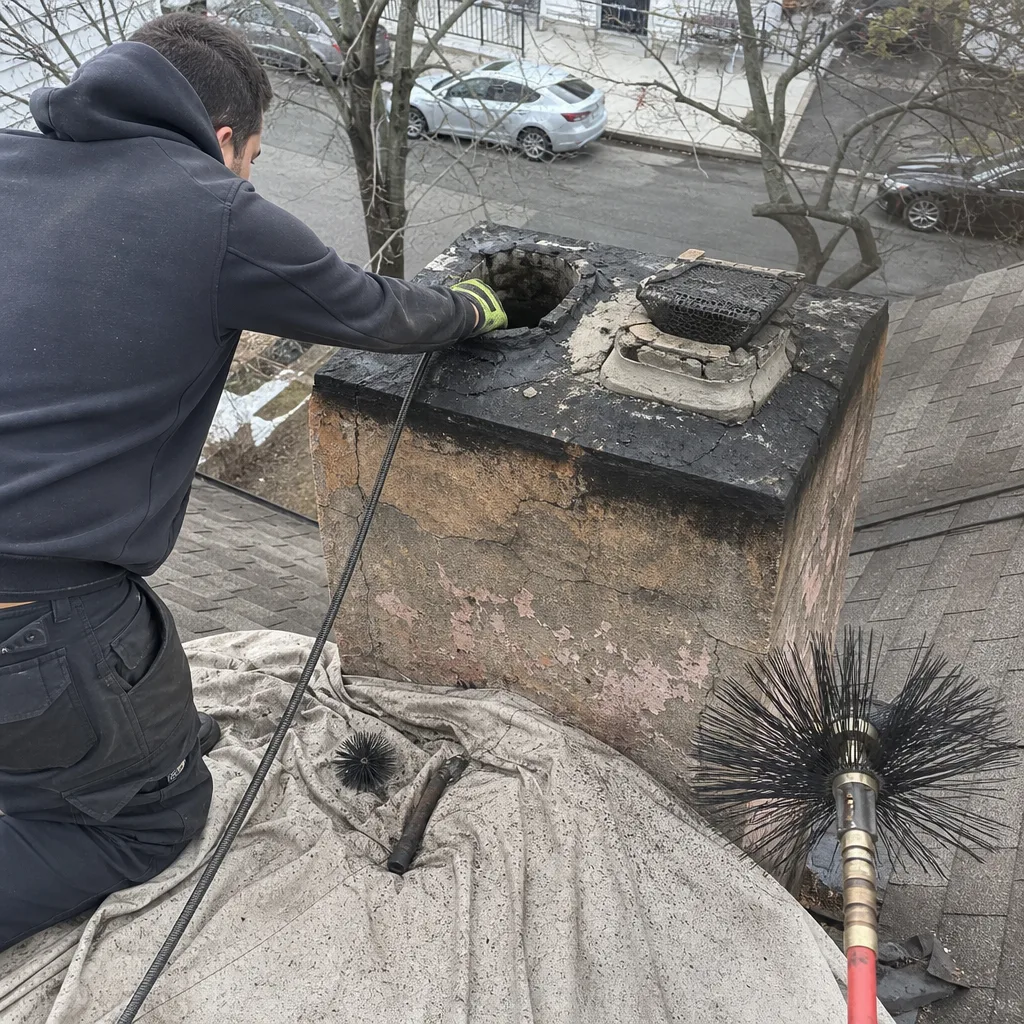 Before
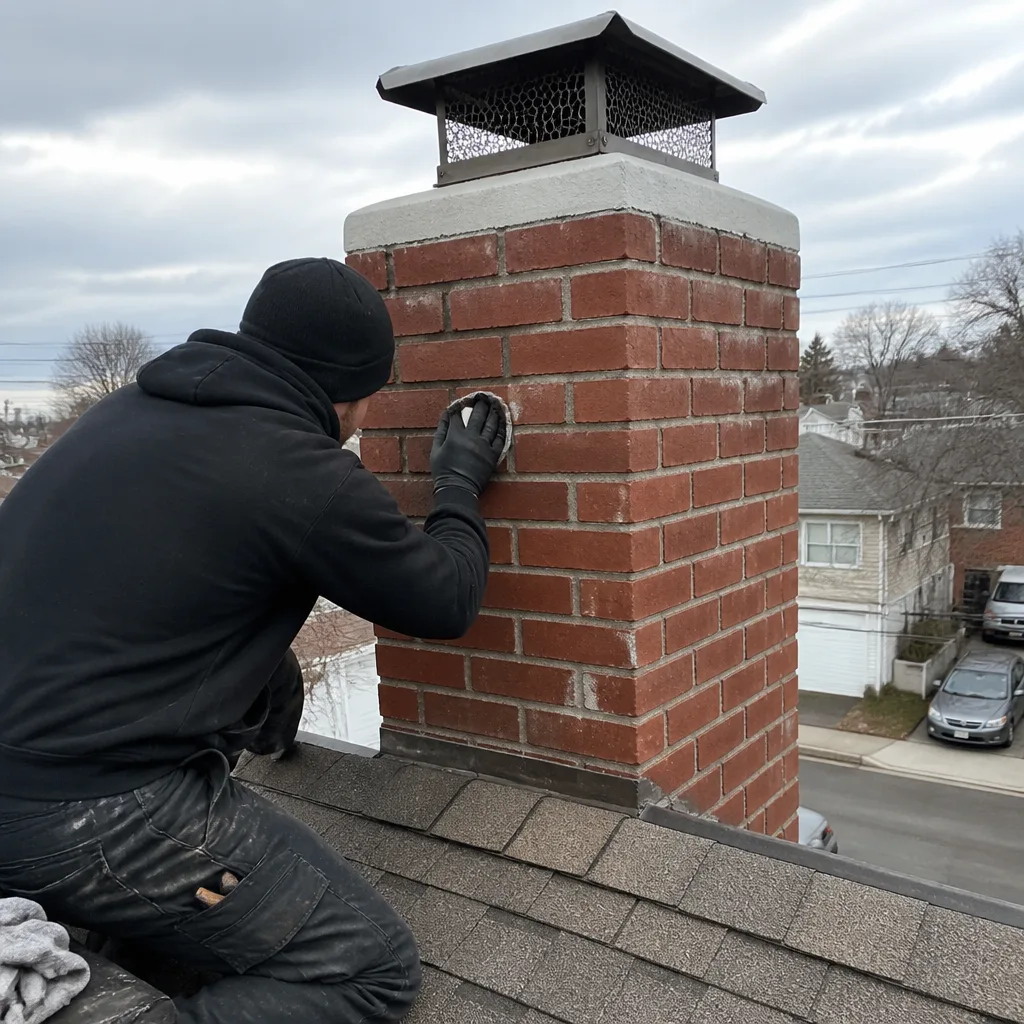 After
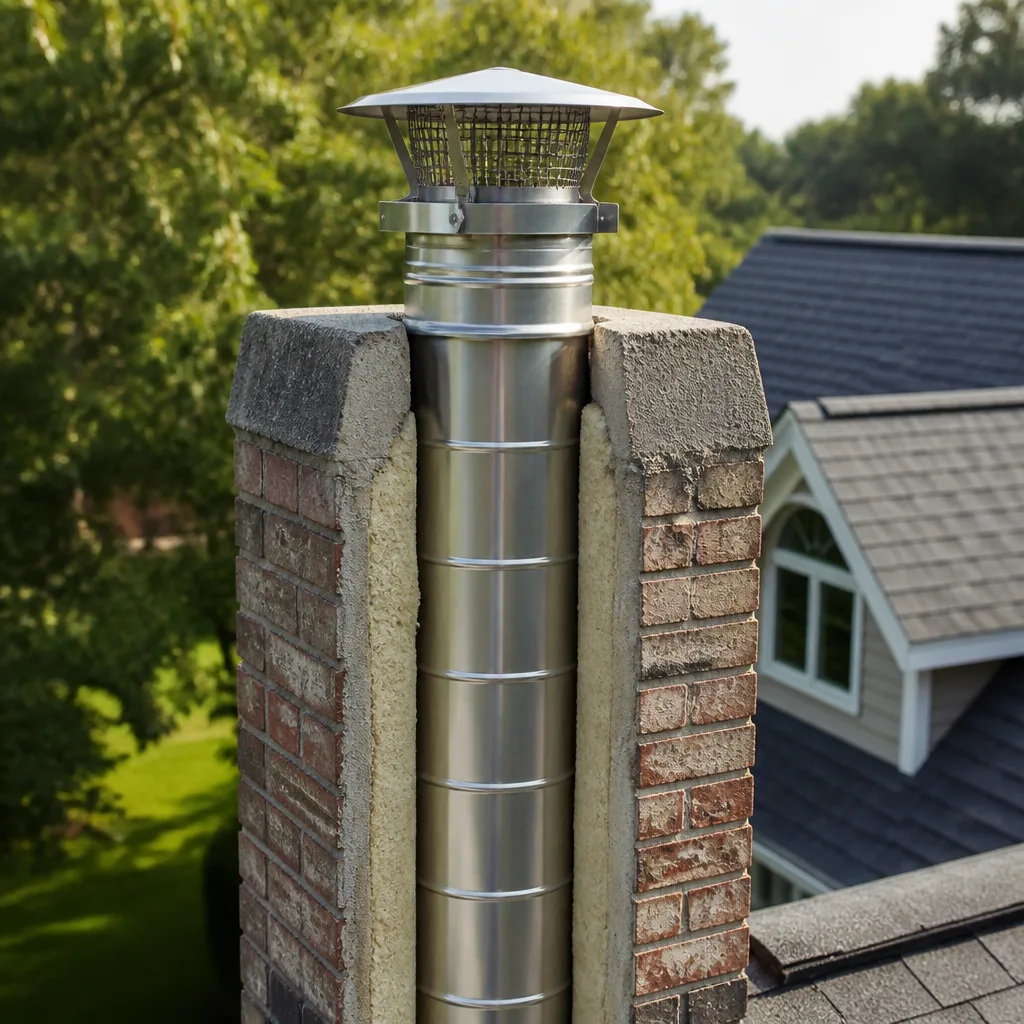
After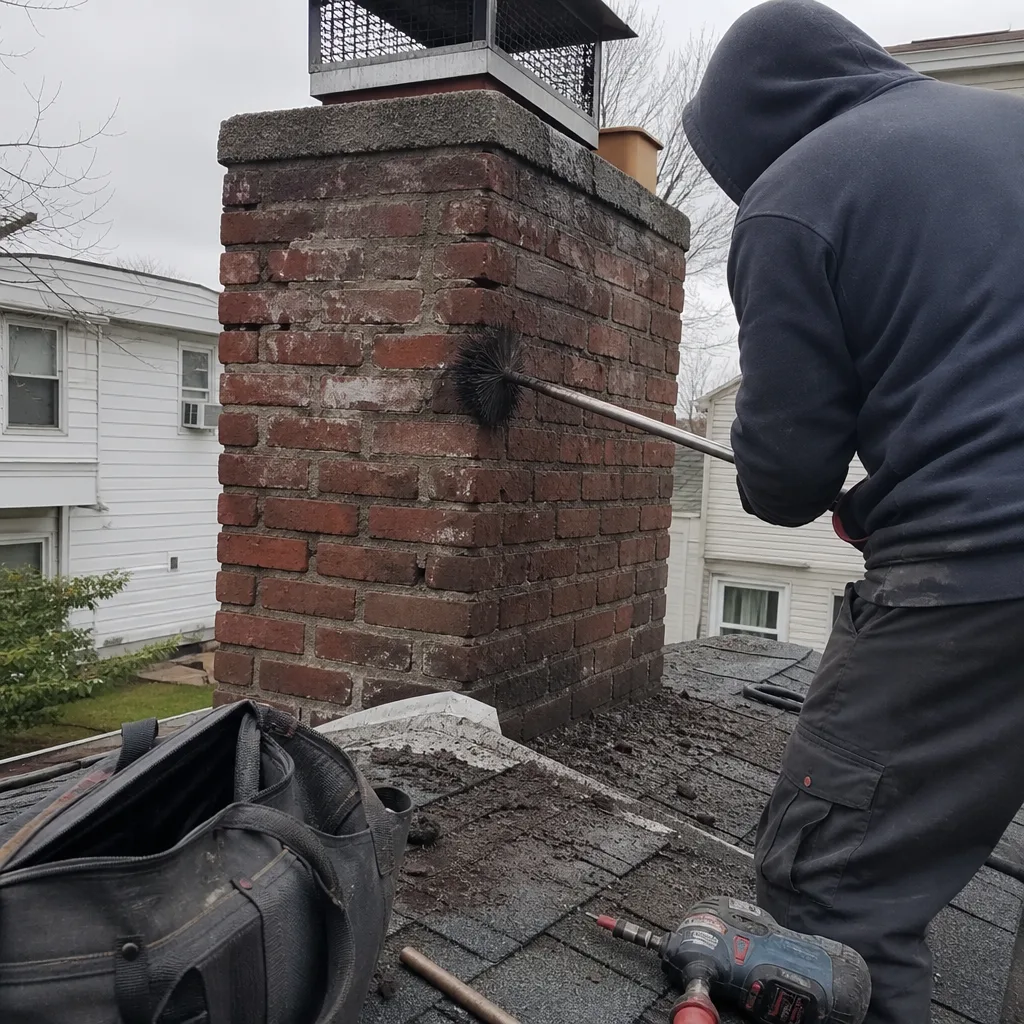 Before
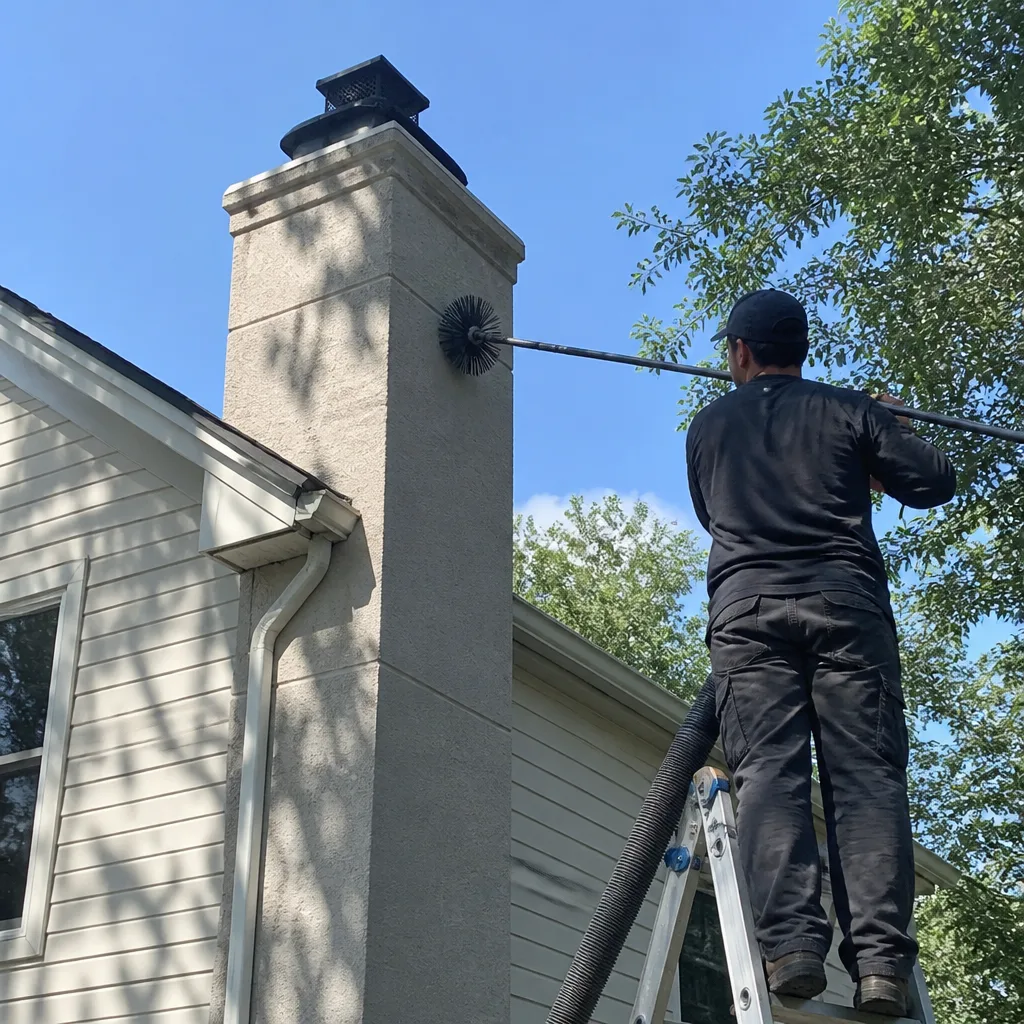 After
AfterFast, Reliable Chimney Liner & Rebuild Across Great Kills
Chimney liner and rebuild work in Great Kills, NY typically runs $2,800-$8,500 depending on whether you need a stainless steel liner replacement, a partial rebuild of the upper stack, or a full chimney reconstruction. Most jobs are completed in a single visit after the Level 2 camera inspection, and estimates are free. Call (516) 613-3035 to schedule.
We’ve been dispatching crews to Great Kills from our New York City office for decades. We know the post-WWII Cape Cods off Wiman Avenue, the split-levels along Hylan Boulevard, and the ranches tucked behind Amboy Road. The salt air off Great Kills Harbor and Raritan Bay creates a failure clock for chimneys that inland Staten Island neighborhoods simply don’t face. Galvanized caps rust through in 5-7 years. Mortar joints on south- and west-facing faces open up in 10-15 years instead of 20-25. That local knowledge changes what we recommend, what materials we stock on the truck, and how we explain the work to homeowners who’ve lived in the same house for thirty years and plan to stay.
Why Hearthstone Chimney Co. Is Great Kills’s Preferred Chimney Liner & Rebuild Company
Our reputation in Great Kills was built one inspection at a time. Homeowners here talk to neighbors. They remember the contractor who pushed a full rebuild without showing proof. They also remember the one who pulled out a phone, played back camera footage of their own flue, and explained exactly what was wrong and what could wait.
We answer the phone with a live person, 24 hours a day, 7 days a week. Not a voicemail. Not a callback queue. When you call (516) 613-3035, someone picks up. Our technicians are background-checked, uniformed, and carry professional-grade materials from DuraFlex, HeatShield, and Olympia Chimney on every truck serving Great Kills. Most jobs finish in a single visit. The 90-Day Done Right Promise governs everything we do: Krafted right, Every time, Your home first, Standing behind it. In writing, no arguing.
We’ve learned the local housing stock by working in it. The 1950s-1970s Cape Cods, split-levels, and ranches that dominate Great Kills were built with clay-tile flues sized for oil or wood-burning systems. Many have since converted to gas without resizing the liner. That mismatch shows up in our Level 2 inspections as condensation damage, poor draft, and deteriorating smoke chambers. We document it with photos you can see and a plain-English verdict. Nothing is recommended without footage you can stop, replay, and question.
Our Chimney Liner & Rebuild Services in Great Kills
Stainless Steel Liner Installation
A stainless steel liner is the right fix for most Great Kills homes with deteriorated clay-tile flues or unlined masonry. We install insulated DuraFlex liners sized precisely to your appliance, not the oversized cavity left by an old oil-fired system. The insulation maintains flue temperature, improves draft, and reduces condensation that eats mortar from the inside out. In Great Kills, where salt air already works the exterior joints, an uninsulated liner just accelerates hidden damage. We sleeve the liner, seal the top with a stainless cap rated for harbor exposure, and leave you with photos of every joint.

Flexible Liner Solutions
Some Great Kills chimneys have offsets, bends, or tight clearances that rigid pipe won’t navigate. A flexible liner from Olympia Chimney threads through existing flue channels without dismantling surrounding masonry. We use these for gas conversions in older ranches where the chimney run wasn’t built for modern venting. Every flexible installation still gets a camera verification before and after, and we only specify flex where rigid won’t fit. The upfront price covers the full job, not a bait-and-switch to rigid once we’re on the roof.

Liner Replacement
When a clay-tile liner has cracked, shifted, or separated at the joints, replacement isn’t optional. It’s a fire and carbon monoxide hazard. In Great Kills, we see this constantly in post-WWII homes where the original 10×10 or 12×12 clay flue was pressed into gas service without adaptation. The flue gases cool too quickly in the oversized cavity, condense into acidic moisture, and eat the mortar bed. Our liner replacement process starts with a Level 2 inspection, proceeds only after you’ve seen the footage, and ends with a properly sized stainless liner, a new cap, and a written 90-Day Done Right Promise. A typical liner replacement in Great Kills runs $2,800-$4,500.

Partial Rebuild
Not every damaged chimney needs to come down to the roofline. A partial rebuild addresses the upper stack, crown, and top courses of brick while preserving sound masonry below. In Great Kills, this is often the honest recommendation after Hurricane Sandy’s hidden legacy: cracked crowns, shifted flue tops, and compromised flashing that went uninspected in the rush of post-storm repairs. We camera-scope first. If the lower stack is sound and the damage is localized, we quote a partial rebuild with matching brick, a recast crown with proper overhang and drip edge, and new stainless flashing. Typical range in Great Kills: $3,500-$6,200. We never quote a full rebuild without proving the lower stack is failed.

Full Chimney Rebuild
When mortar joints have failed throughout, when the wythes have separated, or when the firebox itself is compromised, a full rebuild is the only safe path. We dismantle carefully, salvage matching brick where possible, and rebuild to current code with a new flue liner integrated from the start. This is rare in Great Kills, but it happens, especially in homes where decades of salt-air exposure and deferred maintenance have converged. If another company has told you a full rebuild is necessary, call us for a free second opinion. We’ll show you what they saw, or didn’t see.

Liner Repair
Minor joint gaps, small cracks, and localized spalling can sometimes be addressed with HeatShield cerfractory sealant or targeted tuckpointing without full liner replacement. We don’t guess. The camera tells us whether repair is sufficient or if the damage pattern indicates systemic failure. In Great Kills’s humid, salt-laden microclimate, surface repairs to a fundamentally mismatched or deteriorated liner are a temporary patch at best. We’ll tell you which category you’re in, show you the evidence, and let you decide.

What happens when you call
- 1
A real person answersNo phone trees - you reach a local pro.
- 2
You get an upfront price rangeHonest numbers before anyone is dispatched.
- 3
A background-checked tech heads outLicensed & insured, dispatched right away.
- 4
You approve before work beginsNothing starts until you say go.
Trusted Brands We Service in Great Kills
We stock DuraFlex stainless liners, HeatShield repair compounds, and Olympia Chimney components on every truck serving Great Kills. No waiting for parts from a warehouse in another state. No substituting builder-grade materials because the right item wasn’t on the shelf. Gelco caps and Famco dampers round out our inventory for jobs where the existing hardware has corroded through. When a Great Kills homeowner calls, we arrive prepared to complete most liner and rebuild work in a single visit, with no-hassle upfront pricing that matches the final invoice.
Common Chimney Liner & Rebuild Problems We See in Great Kills Homes
- Salt-air corrosion of caps and dampers. The Raritan Bay microclimate destroys galvanized steel in 5-7 years. We regularly find harbor-facing chimneys in Great Kills with caps that have rusted through and dampers that no longer seal. Stainless replacement isn’t an upsell here. It’s the only honest recommendation.
- Oversized clay-tile flues drafted into gas service. The 1950s-1970s housing stock was built for oil or wood. Convert to gas without resizing the liner, and you get condensation damage, poor draft, and progressive deterioration of the smoke chamber. Our Level 2 inspections catch this before it becomes a carbon monoxide risk.
- Accelerated mortar joint failure on south- and west-facing exposures. Salt-laden wind and sun break down joints in 10-15 years instead of the 20-25 you’d expect inland. Water penetrates, freezes, and spalls brick. Tuckpointing becomes a shorter-cycle maintenance item for Great Kills homeowners, not a one-time fix.
- Hidden structural damage from Hurricane Sandy. The 2012 storm surge and wind load cracked liners, shifted crowns, and compromised flashing in ways that still go uninspected. We find this regularly in waterfront blocks where repairs were cosmetic and the chimney was never camera-scoped.
Pricing for Chimney Liner & Rebuild in Great Kills, NY
Honest pricing starts with honest diagnosis. We don’t quote over the phone without seeing your chimney, and we don’t inflate the scope once we’re on site. Here are the ranges we see most often in the Great Kills market:
| Service | Typical Range in Great Kills |
|---|---|
| Stainless steel liner installation | $2,800 - $4,500 |
| Flexible liner installation | $2,200 - $3,800 |
| Liner replacement (clay to stainless) | $2,800 - $4,500 |
| Partial rebuild (upper stack, crown, flashing) | $3,500 - $6,200 |
| Full chimney rebuild | $6,500 - $8,500+ |
| Liner repair / HeatShield application | $1,200 - $2,400 |
What moves the needle: accessibility (steep roof pitch, tight setbacks between Great Kills’s close-built homes), extent of mortar damage, whether the crown can be recast or must be fully replaced, and whether the existing flue is unlined, clay-tile, or previously relined with a failed product. Every estimate includes the Level 2 camera inspection and photo report. Estimates are free. Call (516) 613-3035.
We Also Serve Cities Near Great Kills
Our crews work throughout Staten Island, including Great Kills, Tottenville, St. George, and New Dorp. Each neighborhood gets the same live-answer phone, the same background-checked technicians, and the same 90-Day Done Right Promise. The local conditions differ, so our recommendations differ. A mid-island chimney in New Dorp faces less salt-air stress than a harbor-front stack in Great Kills. We adjust materials and maintenance schedules accordingly. If you’re unsure whether we cover your block, call and ask. Someone will answer.
Serving Great Kills, NY - Our Local Coverage Area
We’re based in the Great Kills area and know this community well. Use the map below to see our service coverage - if you’re nearby, we can almost certainly help.
FAQs - Chimney Liner & Rebuild in Great Kills
The salt air off Great Kills Harbor and Raritan Bay corrodes galvanized steel in roughly half the time it takes in mid-island neighborhoods. Your brother’s Dongan Hills cap faces inland air. Your harbor-facing stack gets salt-laden wind every tide cycle. We default to stainless caps in Great Kills because anything less is a repeat expense you’ll pay again in 5-7 years. Call (516) 613-3035 and we’ll show you the difference on your own chimney.
It needs to be properly lined for gas, which usually means the clay tiles stay in place and a correctly sized stainless liner is inserted. The old oversized flue is the problem, not necessarily the clay itself. Gas appliances produce cooler, wetter flue gases that condense in a large cavity, producing acidic moisture that damages mortar and creates draft hazards. We camera-scope to confirm the clay is structurally sound, then install an insulated liner sized to your appliance. Call (516) 613-3035 for an inspection and exact quote.
You see what we see. Our Level 2 inspection ends with photos on your phone and a plain-English verdict. We don’t quote rebuilds without footage you can stop, replay, and question. On a 1962 Cape Cod off Wiman Avenue near Great Kills Harbor, we camera-scoped a 10×10 clay-tile flue that had been relined for gas years earlier and found joint gaps and a shifted crown from old storm damage. Our tech showed the homeowner the footage, then installed an insulated DuraFlex stainless liner and a new stainless cap and damper; the crown got a recast and tuckpointing before any liner went in. We quoted a partial rebuild, not the full stack another company had already recommended. That’s how we work. Call (516) 613-3035 for a free second opinion on any written estimate.
Yes. The Raritan Bay microclimate is measurably harsher on masonry than inland air. South- and west-facing chimney faces in Great Kills see mortar joint failure in 10-15 years versus 20-25 in neighborhoods like New Dorp or Dongan Hills. Salt-laden humidity penetrates, freezes in winter, and spalls brick. Tuckpointing isn’t a cosmetic luxury here. It’s structural maintenance that keeps water out of the flue cavity and firebox. Call (516) 613-3035 and we’ll assess whether your joints are still sound or if water has already reached the liner.
Even infrequent burning produces creosote, and an unlined or damaged liner lets it accumulate in the masonry where you can’t see it. More critically for Great Kills, many homeowners with weekend wood-burning habits also have gas appliances venting into the same compromised flue. Creosote buildup combined with liner gaps creates a chimney fire risk and a path for carbon monoxide intrusion. The Level 2 inspection reveals whether your liner condition matches your burning pattern, or whether hidden damage has created a hazard you didn’t know to look for. Call (516) 613-3035 to schedule - estimates are free.
Ready to know exactly what your chimney needs? Call Hearthstone Chimney Co. at (516) 613-3035 for a free estimate. A live person will answer, 24 hours a day, 7 days a week. We’ll schedule your Level 2 camera inspection, show you photos you can see and a plain-English verdict you can trust, and quote honest upfront pricing with no surprises on the bill. Our Chimney Liner & Rebuild team serves Great Kills with the 90-Day Done Right Promise: if it’s not right, we make it right, in writing, no arguing. Done right - and we stand behind it.
Written by Russell Haines, Owner at Hearthstone Chimney Co., serving Great Kills and local communities for over 42 years.