
Level 1 sweep and inspection to the NFPA 211 annual standard - flue, crown, cap, and flashing checked and photographed
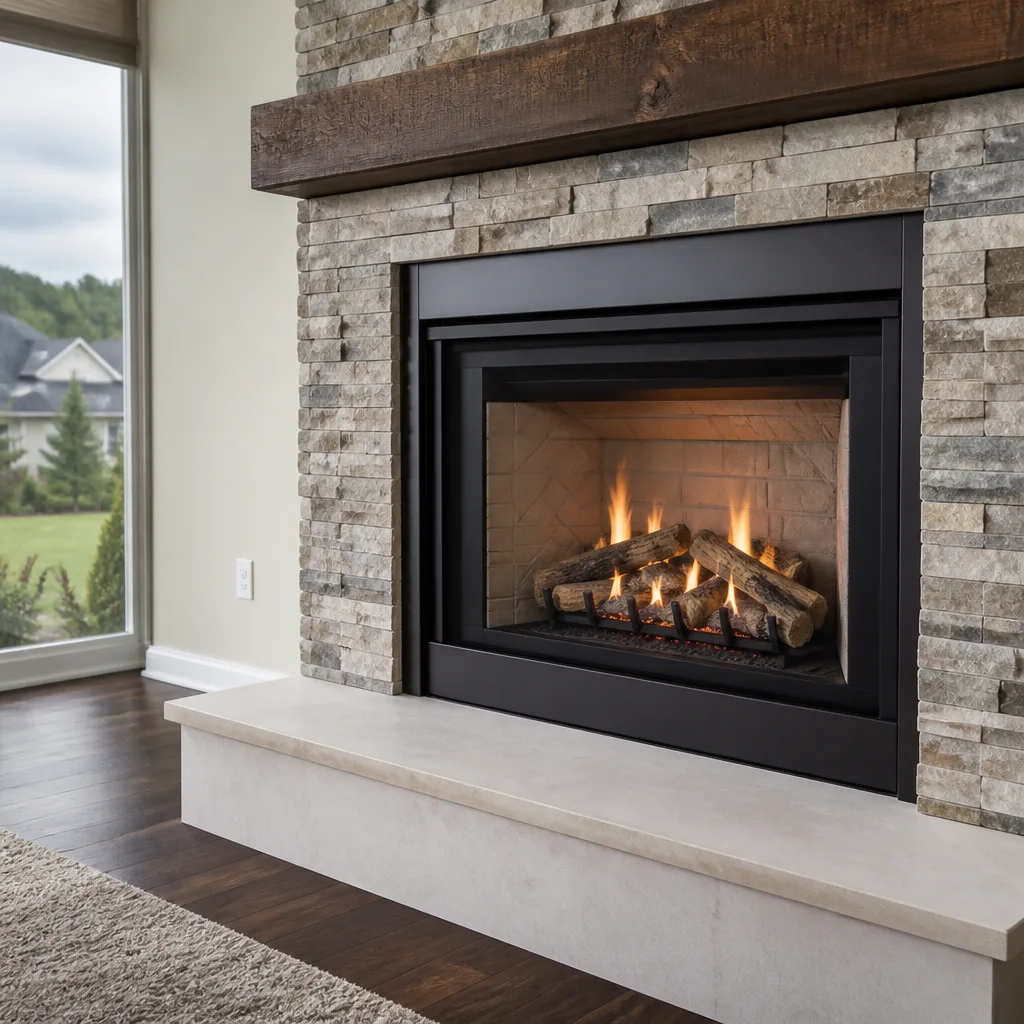
Chimney sweep logs do not sweep chimneys. They loosen some creosote - which then falls where a brush and vacuum still have to collect it.
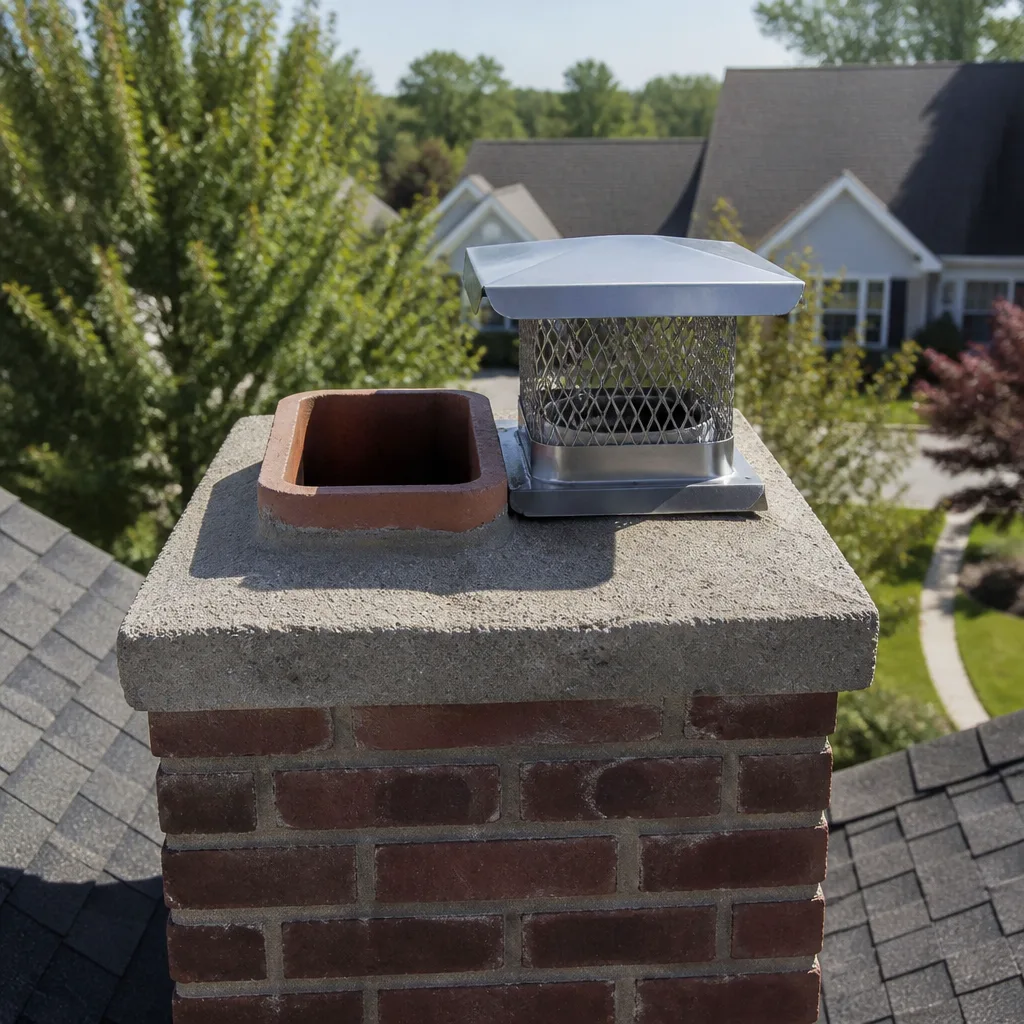
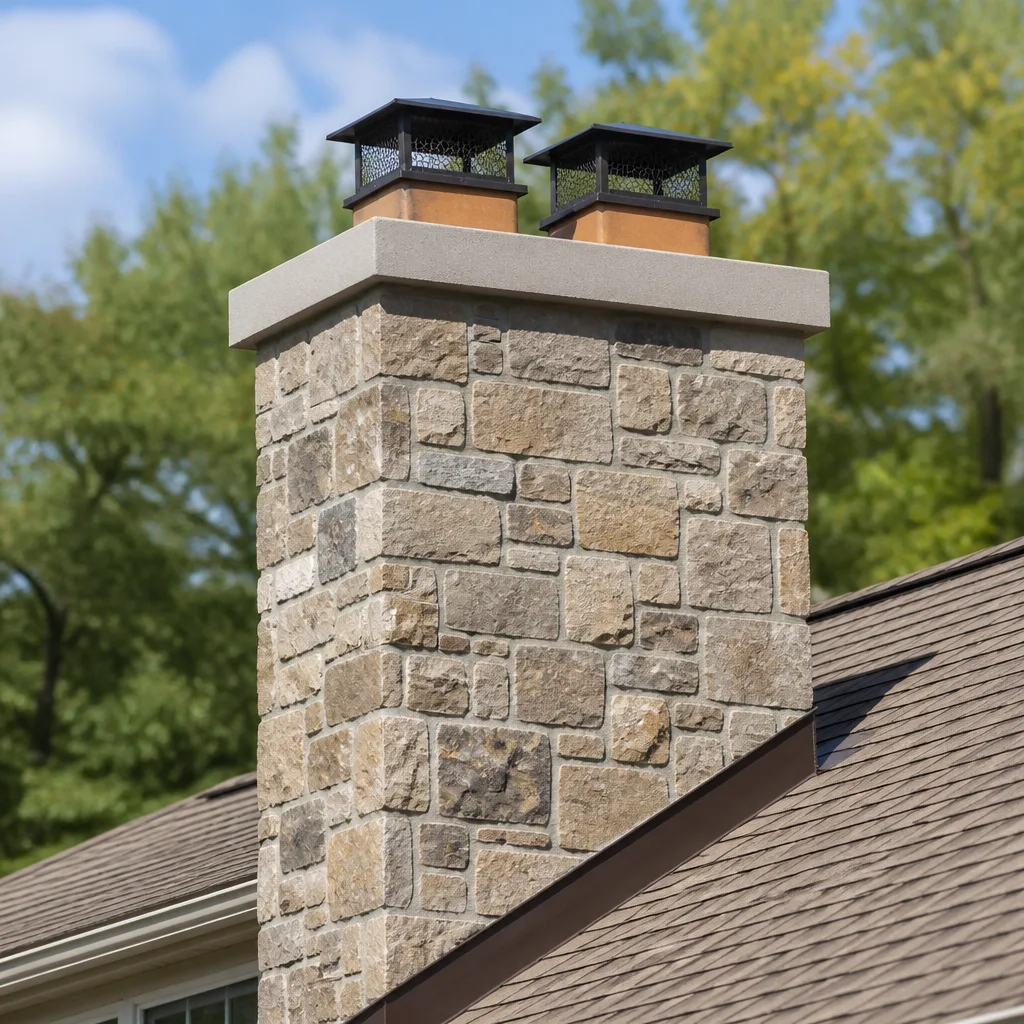
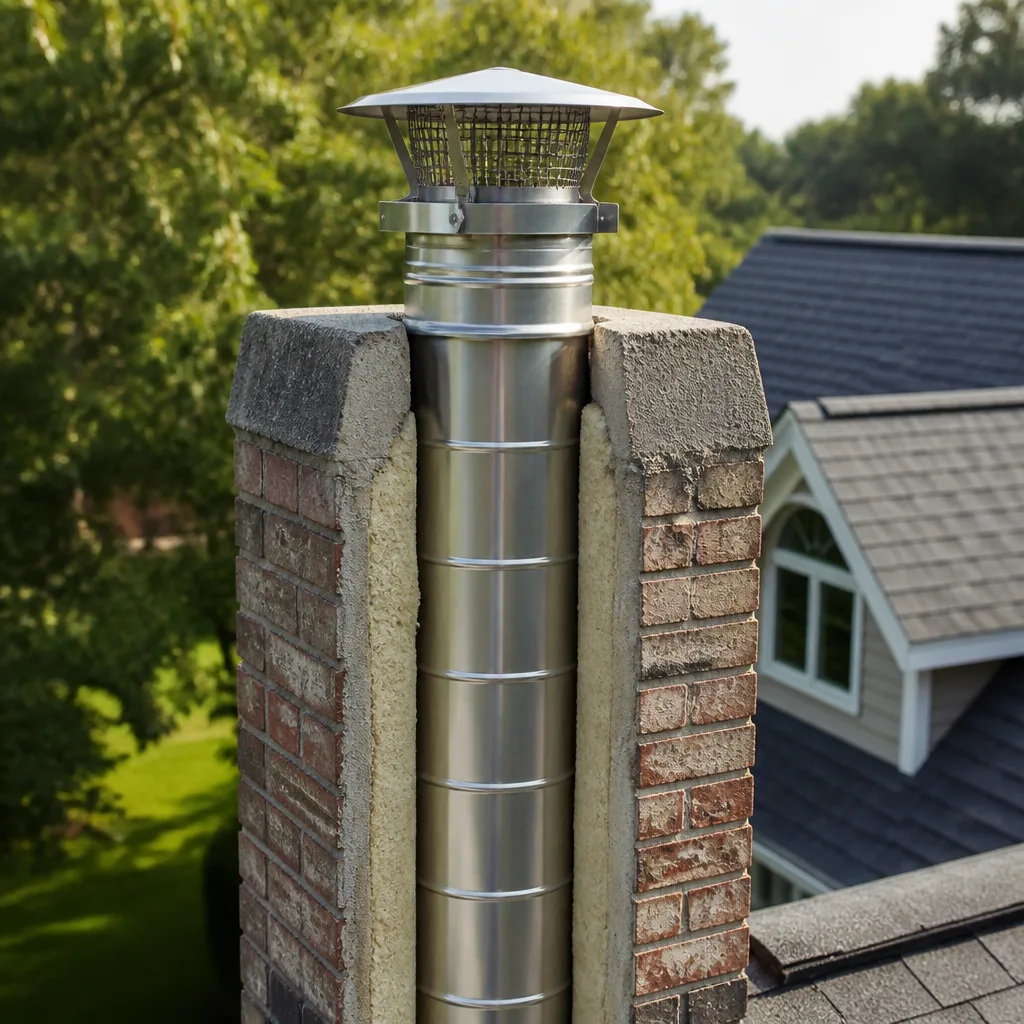
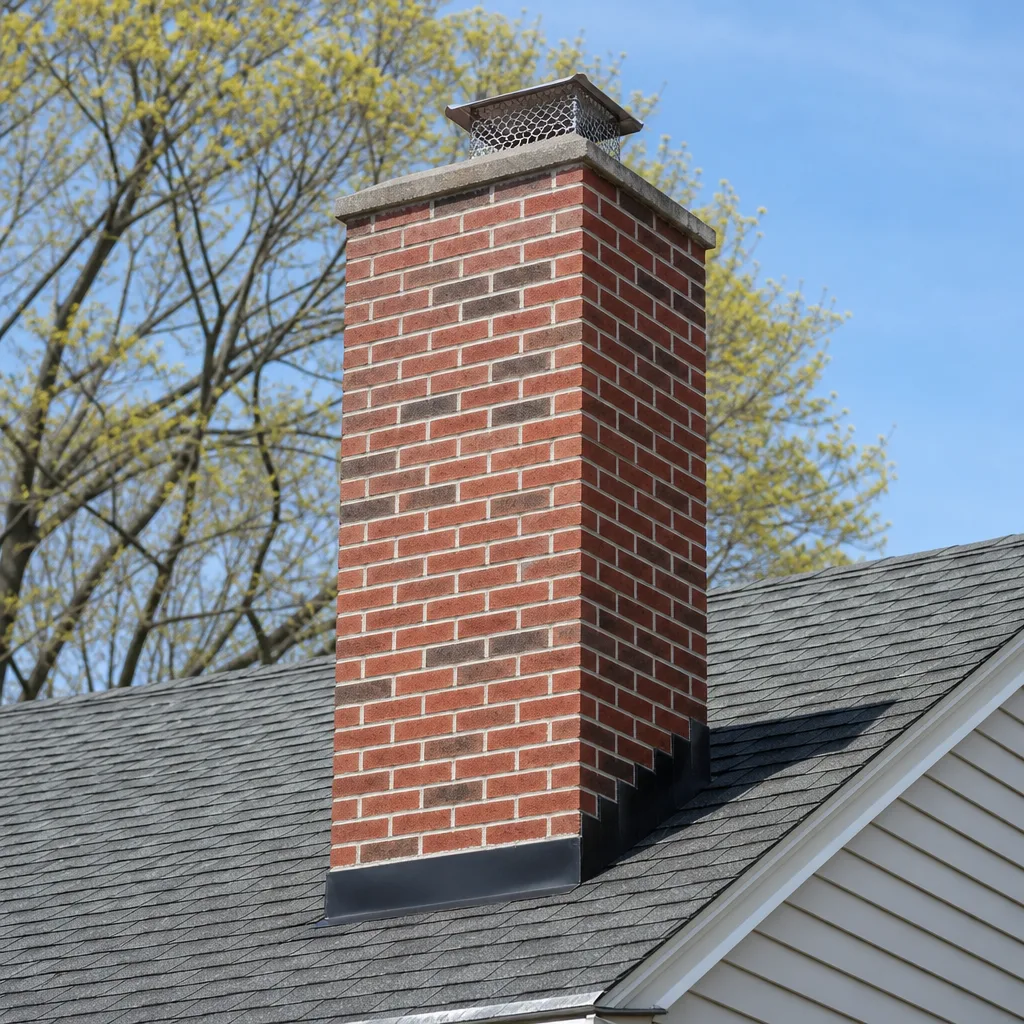
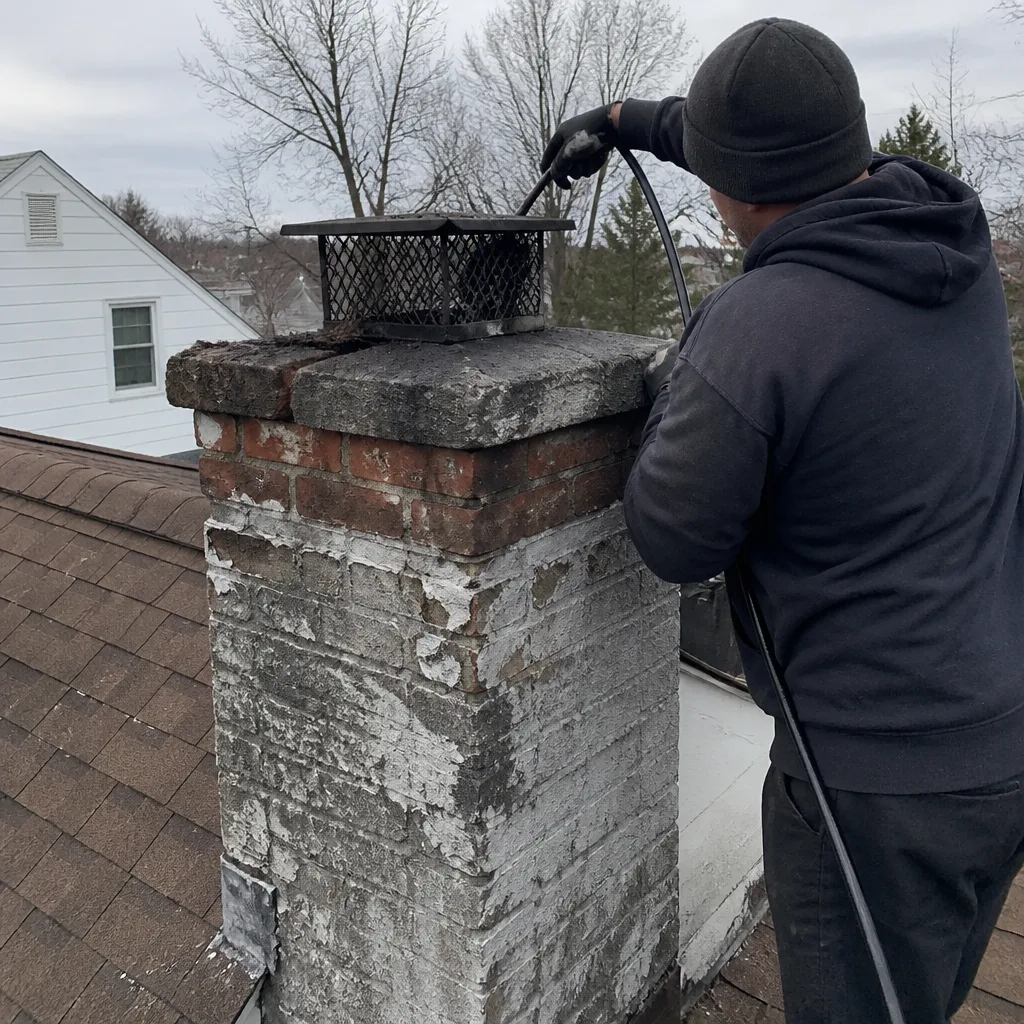 Before
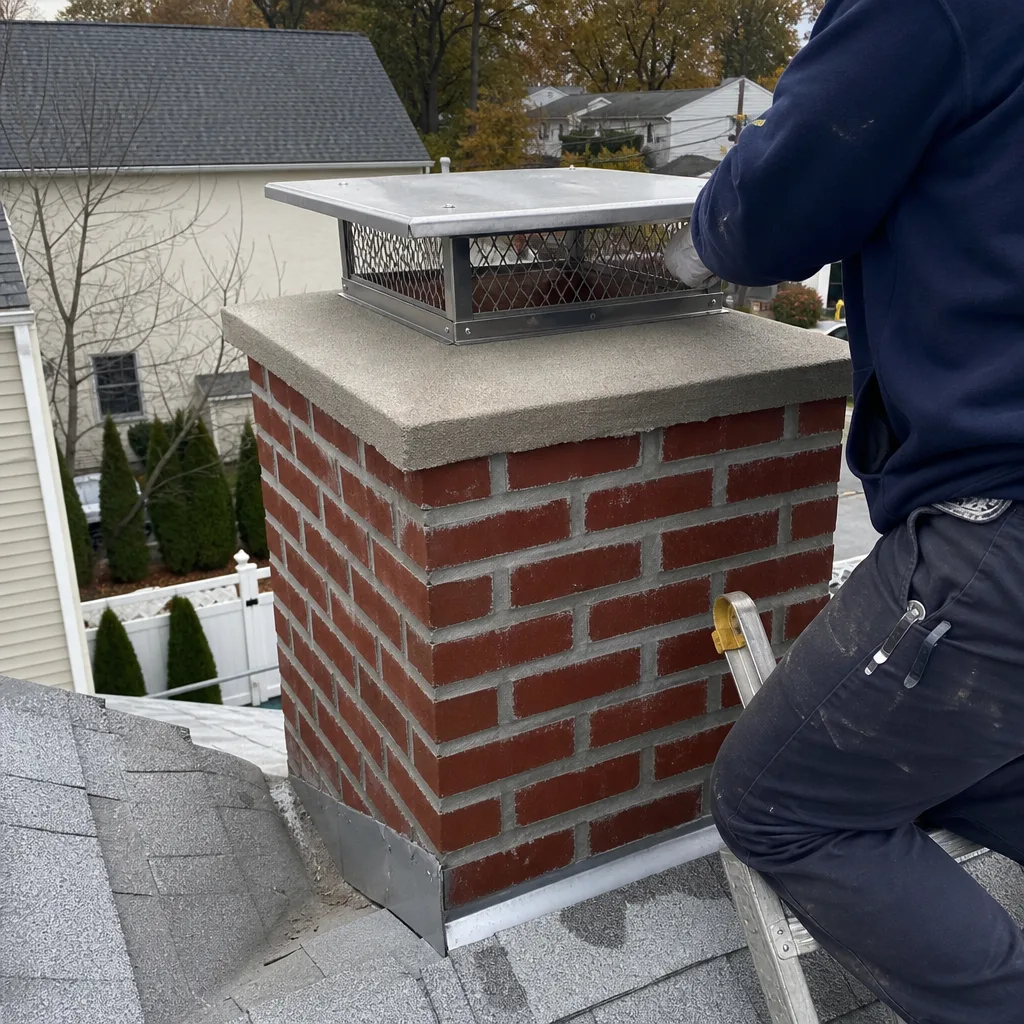 After
After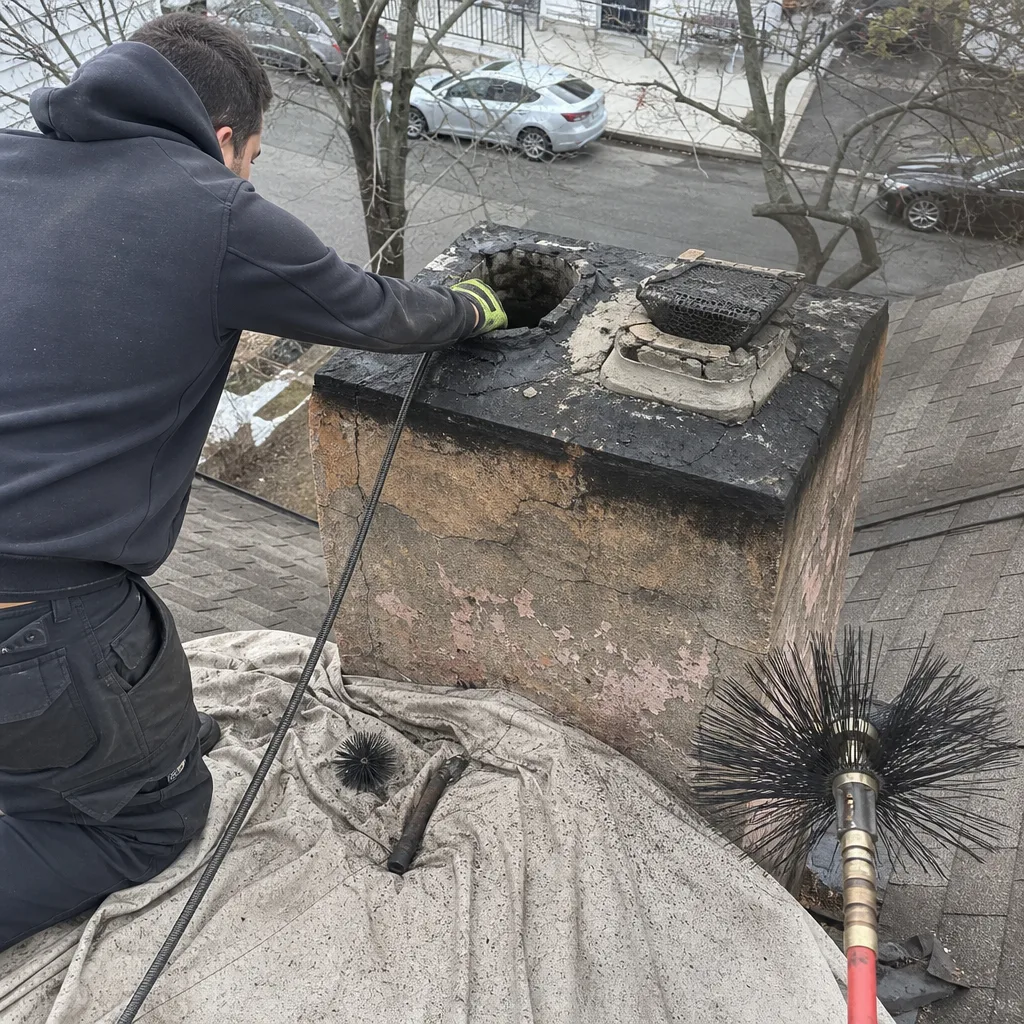 Before
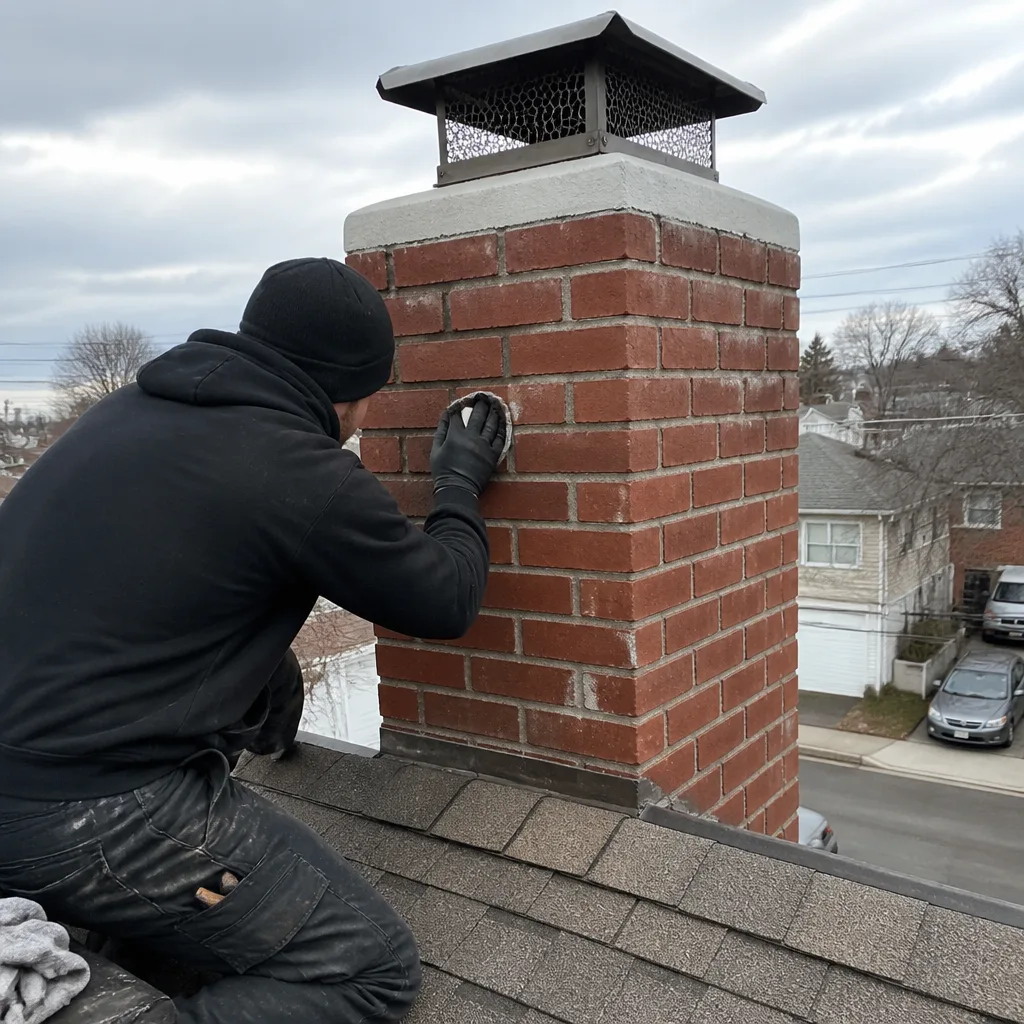 After
After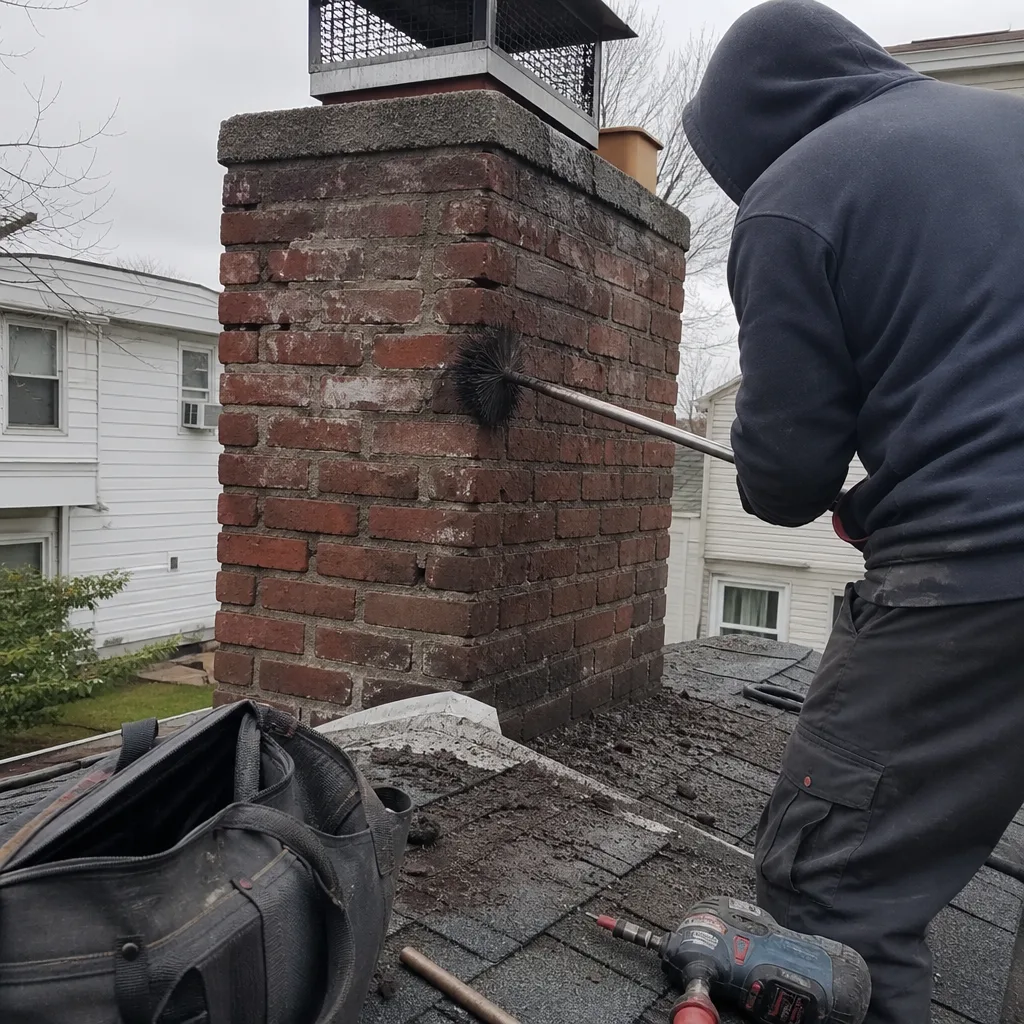 Before
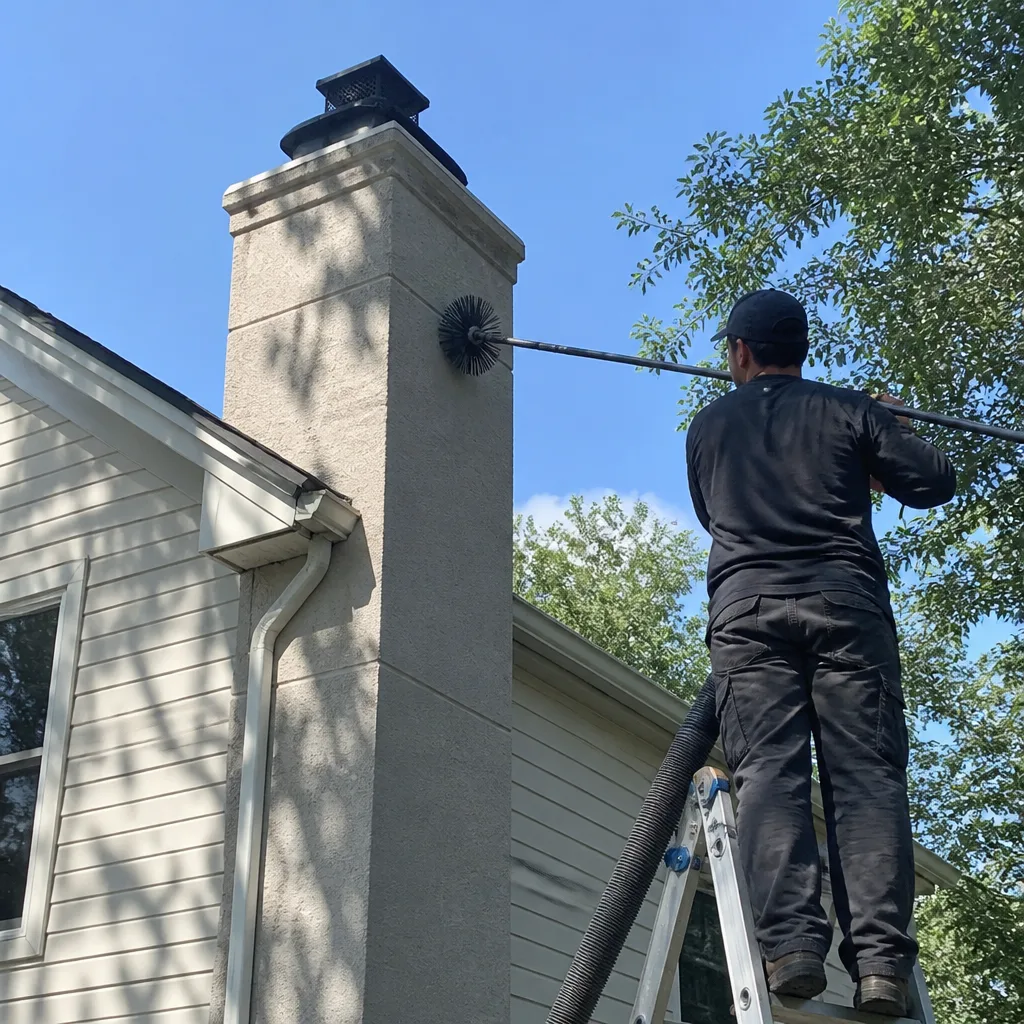 After
AfterCreosote Removal in Staten Island, NY
Creosote removal is the process of breaking down and clearing the hardened, tar-like combustion deposits that build up inside your flue every time you burn wood. In Staten Island, where many homeowners rely on older masonry fireplaces – some dating back to the postwar construction boom of the 1950s and 60s – creosote accumulation is one of the most common and most underestimated fire hazards we find on inspection. If your chimney hasn’t been cleaned in more than a season, there’s a real chance creosote is already coating your liner at a thickness that warrants professional Chimney Cleaning & Sweep services, not just a standard sweep.
At Hearthstone Chimney Co., we’ve been handling creosote in Staten Island homes since 1984. Russell Haines built this company around one standard: do the work correctly, document it honestly, and stand behind it in writing. If you want to know what’s actually in your flue before another fire season begins, call us at (516) 613-3035. A live person will answer – every hour, every day. This page sits under our full Chimney Cleaning & Sweep in Staten Island service if you want the bigger picture on what a complete chimney cleaning involves.
What Creosote Is and Why It Forms
Creosote is a byproduct of incomplete combustion. When wood burns, the smoke carries water vapor, unburned carbon particles, volatile gases, and wood tars up through the flue. As that smoke cools against the chimney walls, those compounds condense and stick. Over time, they harden. What starts as a light, sooty film can turn into a flaky, brown crust, and then – if left long enough or if you’re burning unseasoned wood – into a dense, shiny, tar-like glaze that bonds to the liner like a second skin.
Chimney safety professionals categorize creosote into three degrees. First-degree creosote is the dusty, flaky deposit that a standard chimney brush removes easily. Second-degree creosote is darker, porous, and crunchy – it requires rotary cleaning tools and chemical treatments to fully dislodge. Third-degree creosote is the one that keeps experienced sweeps focused: it’s a dense, glazed coating that can’t be brushed away, burns at extremely high temperatures, and in some cases requires chemical application over multiple visits before it becomes brittle enough to remove. A chimney fire fed by third-degree creosote can reach temperatures above 2,000 degrees Fahrenheit inside the flue – hot enough to crack tile liners and compromise the masonry surrounding them.
In Staten Island’s climate, a few local factors make creosote accumulation faster than homeowners often expect. Winters here arrive with sustained cold snaps that push people to burn longer, hotter fires. But the shoulder seasons – the cool October and early November evenings when residents light fires that aren’t burning quite hot enough – are when creosote builds fastest. A fire that smolders rather than burns cleanly is a creosote-producing fire. Add in the prevalence of older, improperly sized flues in mid-century Staten Island construction, and conditions for buildup are close to ideal.
When You Need Creosote Removal
A standard annual cleaning handles light, first-degree buildup. But certain signs point to heavier creosote that requires dedicated removal work, not just a sweep.
- Visible dark or shiny deposits inside the firebox. If you shine a flashlight up your flue and see a black, tar-like surface reflecting back at you rather than a matte gray, that’s a strong indicator of second- or third-degree creosote. This is the most direct warning sign.
- A strong, oily or acrid odor when the fireplace isn’t in use. Creosote off-gases even when cool. Homeowners in Tottenville and Annadale frequently call us in late summer when the smell comes down through the firebox on warm, humid days – the heat causes the deposits to volatilize. That smell is creosote, and it means it’s there in quantity.
- A chimney fire has occurred, even a small one. If you’ve ever heard a low rumbling, a roaring sound from the flue, or seen smoke puffing back into the room during a fire, a chimney fire may have already happened. Even a brief one can partially melt and re-solidify creosote into a denser, harder form. Any chimney that has experienced a fire – regardless of severity – needs a Level 2 camera inspection and creosote assessment before the next use.
- You’ve been burning unseasoned or softwood regularly. Pine, spruce, and wet hardwood produce far more creosote per fire than properly seasoned oak or maple. If wood has been your primary heat source and you haven’t had the chimney cleaned in two or more seasons, creosote removal – not just cleaning – is likely warranted.
- Your last sweep found more than 1/8 inch of deposit. The National Fire Protection Association’s NFPA 211 standard calls for cleaning when deposits reach 1/8 inch. If your last cleaning report noted this measurement or more, the next service should include a specific evaluation for second-degree removal.
- The fireplace smokes back into the room. Heavy creosote narrows the effective flue opening and can interfere with draft. In older Staten Island homes with shorter chimney heights – common in the row house neighborhoods of New Brighton and St. George – a compromised draft combined with creosote buildup is a combination that warrants immediate attention.
Our Creosote Removal Process
We don’t approach every flue the same way, because creosote doesn’t behave the same way in every flue. The degree of buildup, the liner material, and the chimney’s construction all affect how we work. Here’s what a creosote removal service with Hearthstone Chimney Co. looks like from start to finish.
- Pre-service Level 2 camera inspection. Before we touch a brush, one of our technicians runs a camera through the full length of the flue. This lets us see exactly what we’re dealing with – degree of creosote, location of the heaviest deposits, and the condition of the liner beneath it. You’ll see the same footage we see. We’ll give you a plain-English verdict on the spot: what’s there, what it means, and what it will take to address it. No guessing, no vague answers.
- Protection of your living space. We lay drop cloths across the hearth and surrounding floor, seal the firebox opening with a protective barrier, and use high-efficiency HEPA vacuum systems throughout the job. A creosote removal service that leaves a fine black dust coating your living room is a service done incorrectly. We treat your home accordingly.
- Mechanical removal with professional rotary tools. For second-degree creosote, our technicians use rotary cleaning systems – purpose-built power tools with brushes sized to your specific flue – to break the crust away from the liner walls. This is meaningfully different from the hand-rodding technique used in a standard annual cleaning. The rotary tools reach into ridges, offsets, and corners that hand tools miss.
- Chemical treatment for advanced buildup. Third-degree creosote – the glazed, tar-like form – cannot be brushed away cleanly. We apply a professional-grade creosote modifier to the flue interior. These formulations penetrate the glaze, chemically alter its structure, and render it brittle and porous enough to be mechanically removed, either during the same visit or a follow-up service depending on the depth of the deposit. We use products sourced through trusted professional supply channels, the same ones that supply brands like Copperfield and Famco to working sweeps nationwide.
- Post-removal vacuum and debris clearance. Once the deposits are dislodged, everything comes out: through the cleanout door at the base of the chimney, from the firebox, and from any accessible offsets. The material is bagged and removed from your property.
- Closing camera pass and documentation. We run the camera a second time after the work is done. You get before-and-after photos. If the liner shows damage revealed by the removal – cracks in tile, gaps in mortar, compromised sections – we document it and explain your options plainly. If everything is clear, we tell you that too. The 90-Day Done Right Promise covers every job in writing: if something isn’t right, we come back and make it right, no paperwork, no debate.
Creosote Removal Pricing in Staten Island
Creosote removal in Staten Island typically runs between $250 and $600 for most residential jobs, with the range driven primarily by which degree of creosote is present and how much linear footage of flue is involved. Here’s how that breaks down:
| Service | Typical Price Range |
|---|---|
| Standard chimney sweep (first-degree creosote) | $149 – $229 |
| Second-degree creosote removal (rotary mechanical) | $250 – $375 |
| Third-degree creosote removal (chemical treatment + mechanical) | $375 – $600+ |
| Level 2 camera inspection (included with removal service) | Included |
| Follow-up visit if second chemical application needed | Quoted separately after first visit |
A few things affect where your job lands within those ranges. The height of the chimney matters – a two-story colonial in Huguenot with a longer flue run takes more time and labor than a single-story ranch with a short stack. The accessibility of the cleanout door and whether the chimney has offsets or bends also affects the scope. Multi-flue systems, common in larger older homes in Todt Hill, add to the job as well.
What doesn’t change: the number on the estimate is the number on the invoice. We give you upfront pricing before any work begins. If the camera reveals a condition that changes the scope – a significantly heavier deposit than expected, or liner damage that needs addressing – we stop and tell you before we proceed, not after.
Current standing offers that may apply to your service: $50 Off Any Repair Over $250, a permanent 5% Senior and Veteran discount, and a Free Second Opinion on any written estimate you’ve received from another company. Call (516) 613-3035 for a free estimate – we’ll give you a plain number, not a range designed to climb.
FAQs – Creosote Removal
How do I know if I have creosote buildup that needs removal versus a standard cleaning?
The clearest sign is what you see when you look up the flue with a flashlight: a matte gray or black dusting means first-degree buildup, which a standard cleaning handles. A flaky, darker brown or black crust that you can scratch with a finger points to second-degree buildup and warrants mechanical removal. A shiny, hard, tar-like surface that doesn’t scratch easily is third-degree creosote and requires professional chemical treatment – this is not a Fireplace Cleaning job, and treating it as one leaves the hazard in place. If you’re uncertain, a Level 2 camera inspection will give you a definitive answer. Call (516) 613-3035 and we’ll set that up for you.
Is creosote removal a DIY job?
Standard first-degree cleaning can be done with a chimney brush kit by a capable homeowner who’s comfortable on a roof. Second- and third-degree creosote removal is not – and we’d say that plainly whether you hired us or not. The chemical products used on glazed third-degree creosote are industrial-grade and need to be applied correctly and in the right quantities; applied incorrectly, they can damage liner materials or create a false sense that the problem is solved when it isn’t. More to the point, the only way to confirm the work is done is a camera pass of the full flue – a tool that isn’t practical for home use. Safety matters more than a service call fee, and a flue that looks clean from the firebox can still carry significant buildup further up the stack.
How often should I have my chimney inspected for creosote in Staten Island?
Once a year, before the burn season, is the baseline – this is what NFPA 211 recommends, and it’s what we recommend for every wood-burning fireplace in Staten Island. If you burn frequently (more than three or four fires a week through the winter), or if you’ve ever burned green or unseasoned wood, twice a year is reasonable. Homeowners in wetter, lower-lying parts of Staten Island – parts of Travis and the Arthur Kill corridor – sometimes see slightly faster liner deterioration from moisture, which makes the annual inspection even more important. The Level 1 Inspection catches creosote before it advances from first to second degree, when removal is simpler and less costly.
What happens if creosote removal reveals damage to my chimney liner?
Heavy creosote buildup – especially if a chimney fire has occurred – can hide significant liner damage beneath it. Cracked terracotta flue tiles, missing mortar, gaps at the joints. When our post-removal camera pass reveals damage, we document it in photos and explain plainly what you’re looking at and what your options are. Depending on the condition, that might mean a liner repair using HeatShield resurfacing product, a relining with a DuraFlex stainless steel liner, or a more substantial rebuild. We’ll quote it honestly, and if you want a second opinion on what we find, we actively encourage that – in fact, we offer a Free Second Opinion on any written estimate ourselves. A chimney liner in disrepair is a genuine safety issue; it’s worth knowing what you have before the next fire season.
Why Staten Island Homeowners Have Trusted Hearthstone Since 1984
Over 42 years of work in this borough has taught us a few things that don’t show up in a company brochure. Staten Island’s housing stock is older and more varied than most people outside it realize – pre-war cottages in Stapleton sit next to mid-century colonials in Oakwood, next to newer construction in Eltingville that still has masonry chimneys from builders who cut corners on flue sizing. Each of those structures puts different demands on a chimney, and a sweep who treats them all identically isn’t doing the job.
Russell Haines has worked on chimneys in this borough long enough to recognize those differences before the camera goes in. That experience shapes how we assess creosote, how we plan the removal, and how we document what we find. The 90-Day Done Right Promise exists because we mean to stand behind the work – not as a marketing phrase, but as a commitment in writing that covers every job we complete.
Every technician we send to your home is background-checked, uniformed, and expected to treat your property with the same care they’d give their own. Most jobs are completed in a single visit. The phone is answered by a live person around the clock. These aren’t features we invented recently – they’ve been part of how Hearthstone operates since the beginning, because the kind of customer who trusts us with their home deserves nothing less.
If you want to understand the full scope of what a professional chimney service involves – from the initial sweep through liner inspection and beyond – our home page gives you the complete picture of every service we provide.
Schedule Your Creosote Removal in Staten Island
If you’ve noticed the signs – the oily smell, the dark deposits, the smoky fireback – or if it’s simply been a few seasons since anyone has looked inside that flue, the right move is a camera inspection and an honest assessment. We’ll tell you exactly what’s there, exactly what it will cost to address, and exactly what we’ll do about it. No pressure, no vague quotes that grow once the work starts.
Call (516) 613-3035 to schedule your free estimate. Someone will answer. We serve Staten Island homeowners from Tottenville to St. George, Huguenot to New Brighton, and everywhere in between. The work gets done right, and we back it in writing.
Written by Russell Haines, Owner at Hearthstone Chimney Co., serving Staten Island since 1984.