
Level 1 sweep and inspection to the NFPA 211 annual standard - flue, crown, cap, and flashing checked and photographed
Chimney sweep logs do not sweep chimneys. They loosen some creosote - which then falls where a brush and vacuum still have to collect it.
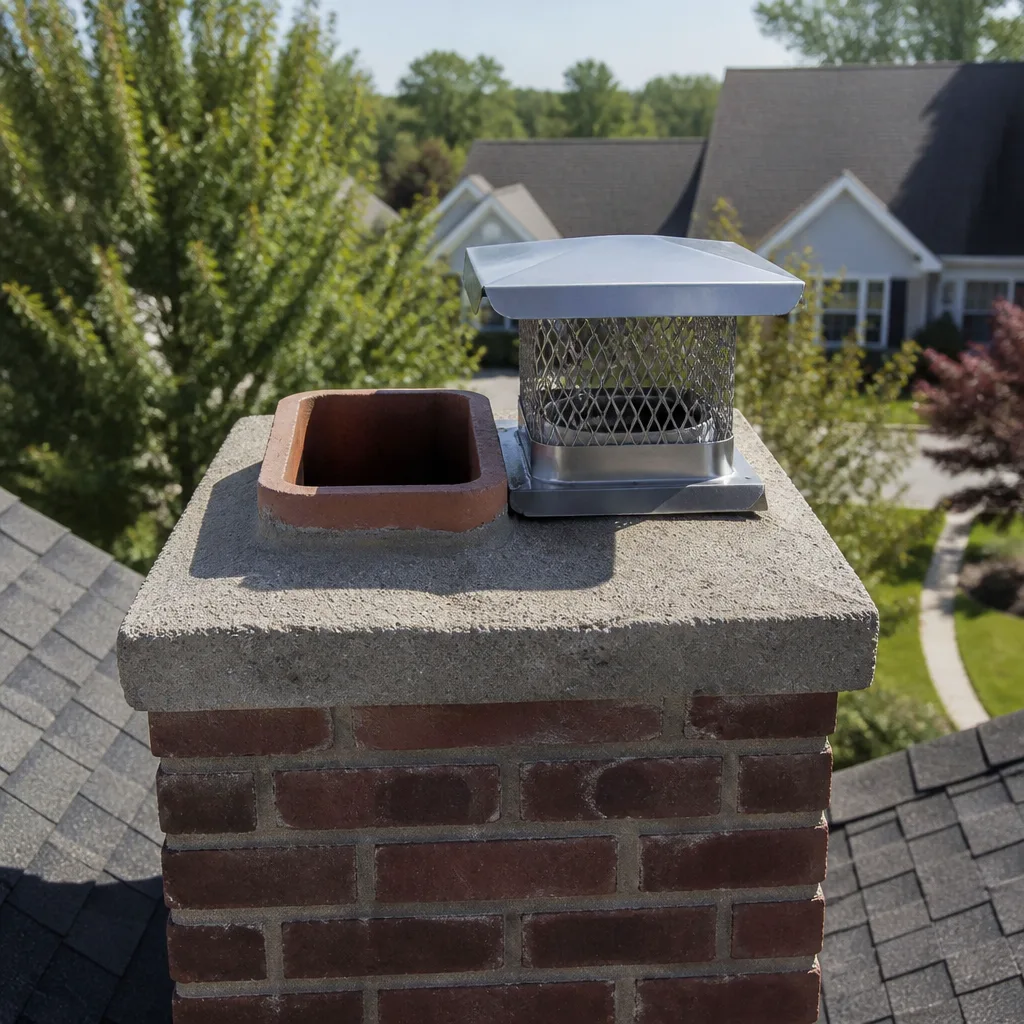
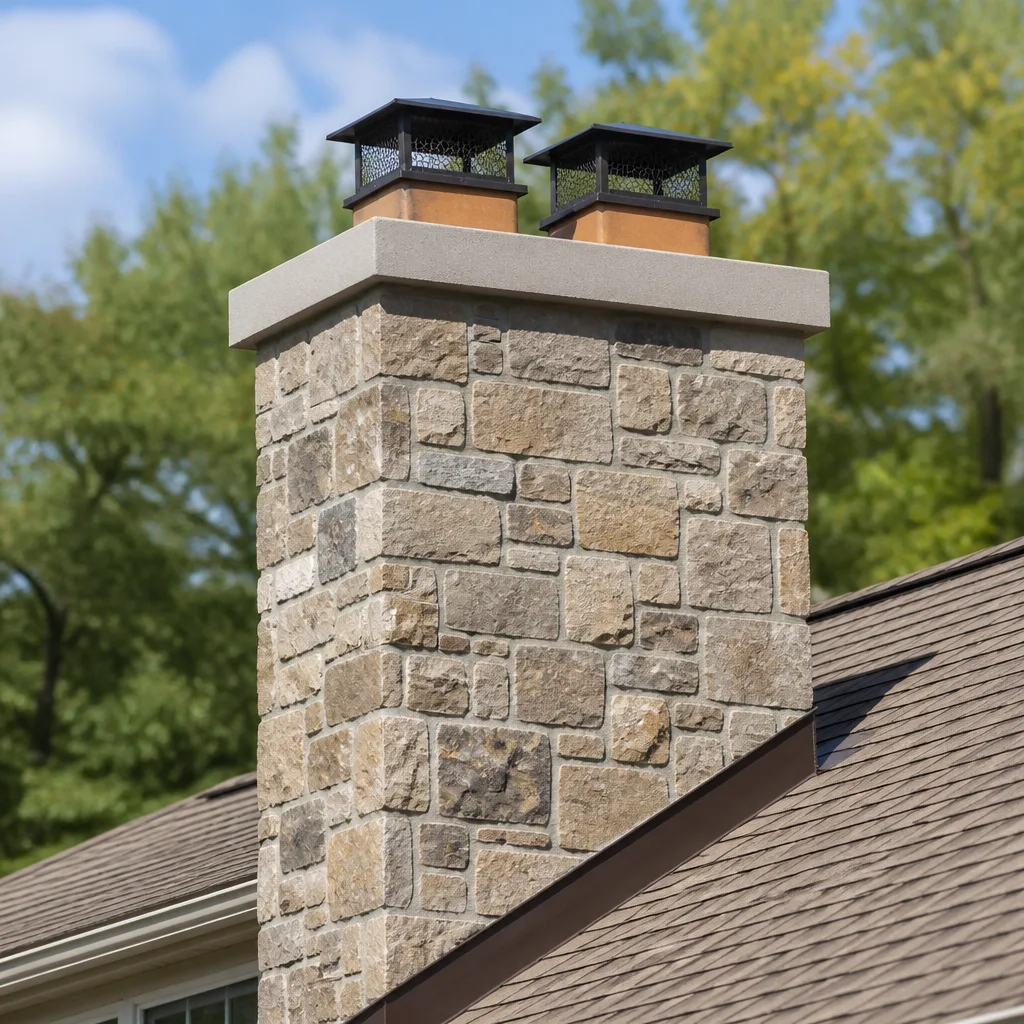
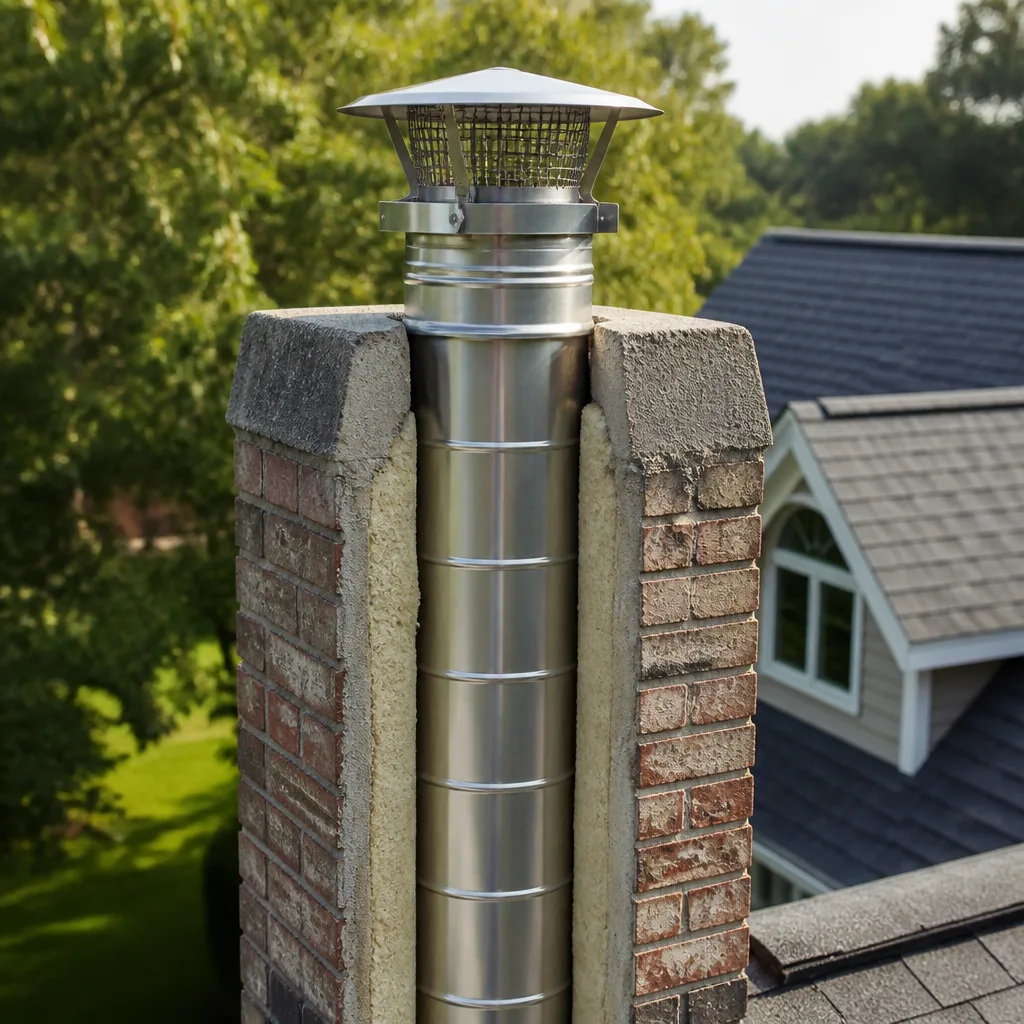
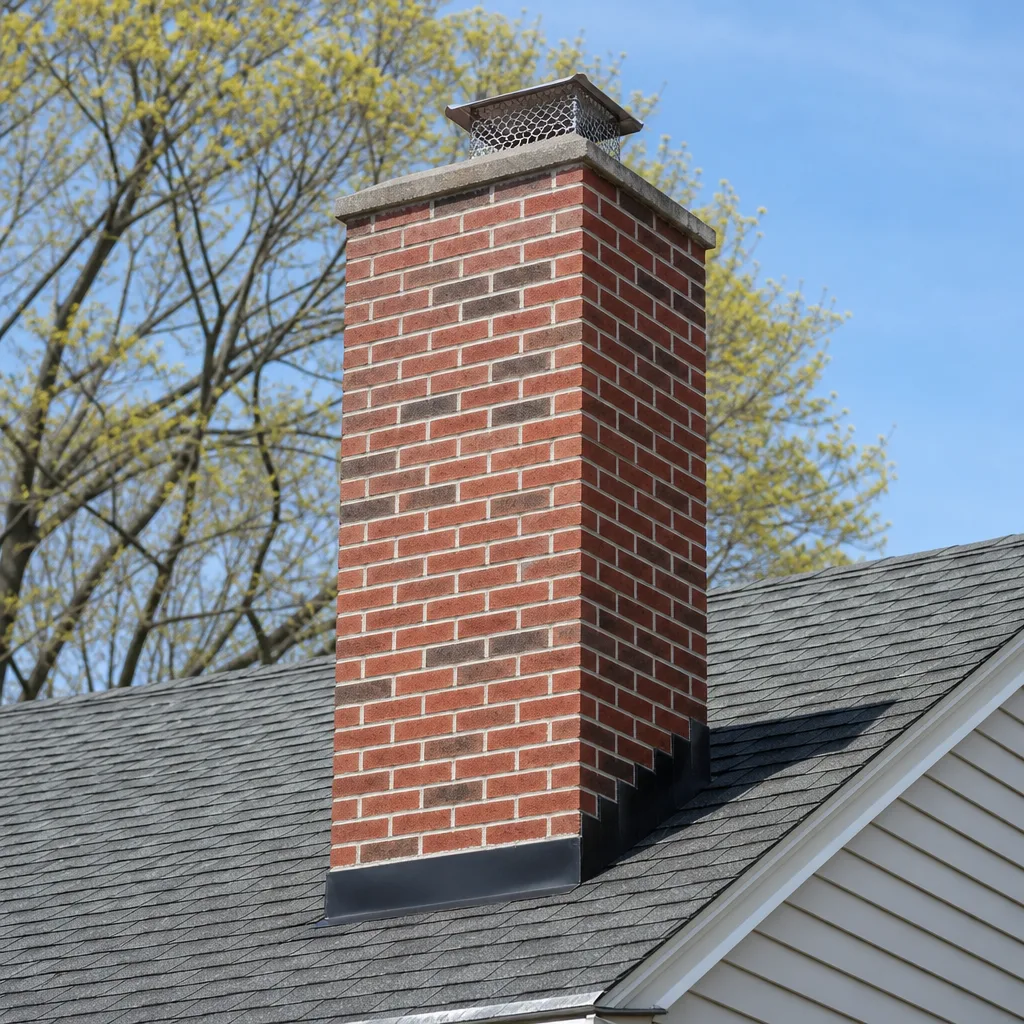
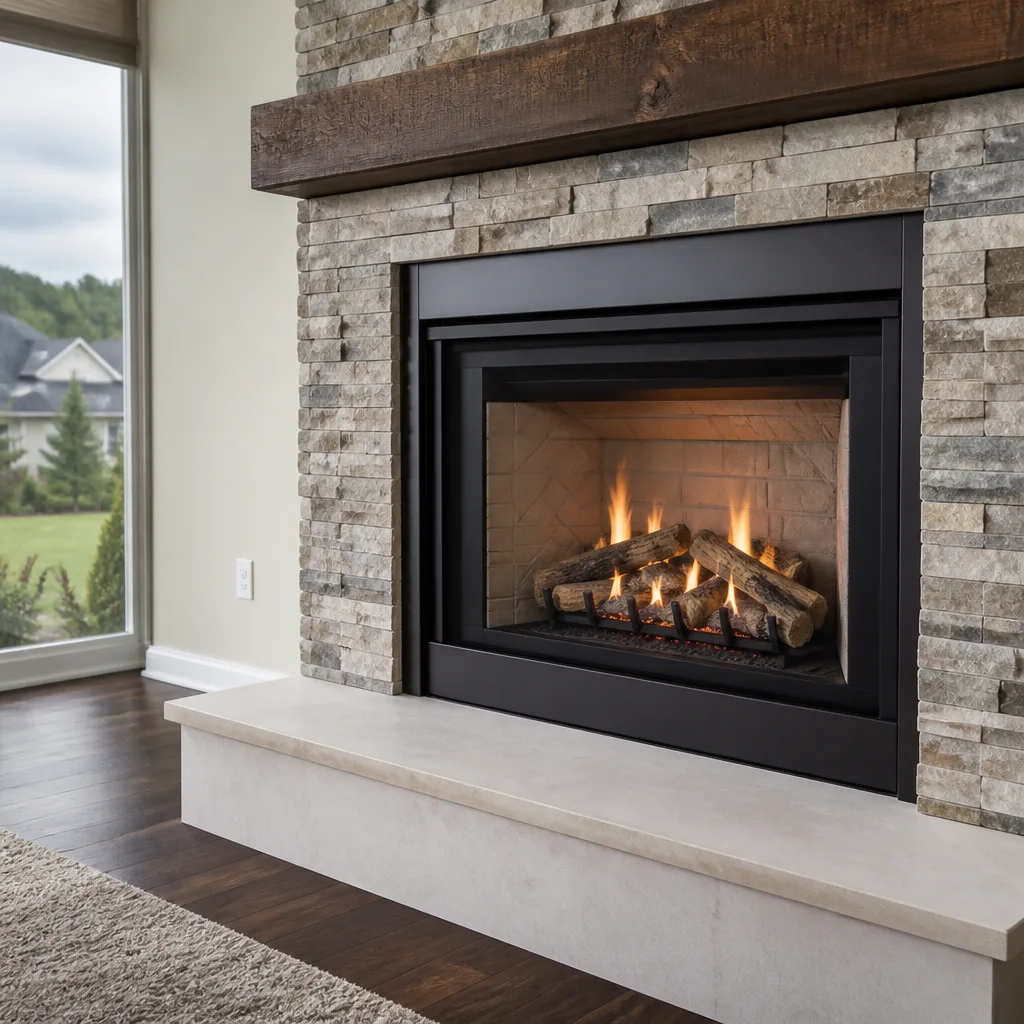
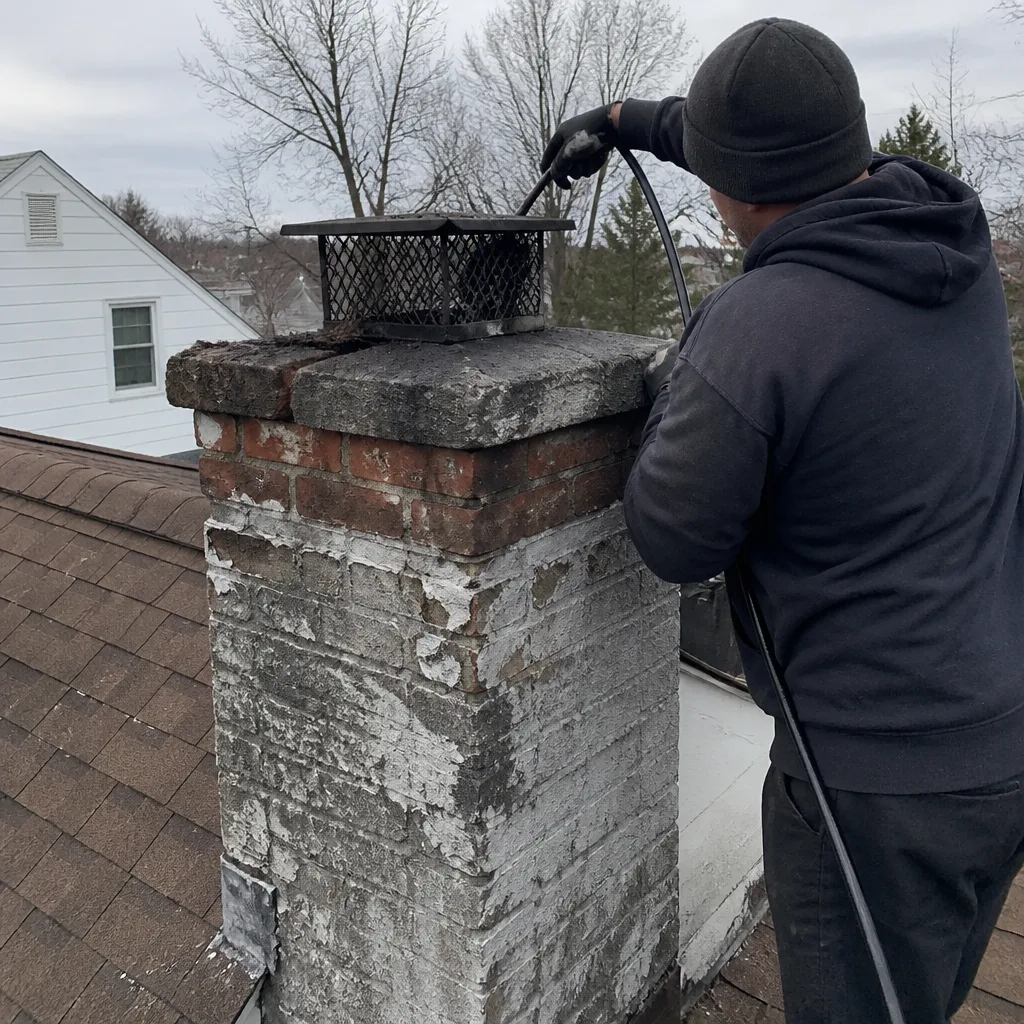 Before
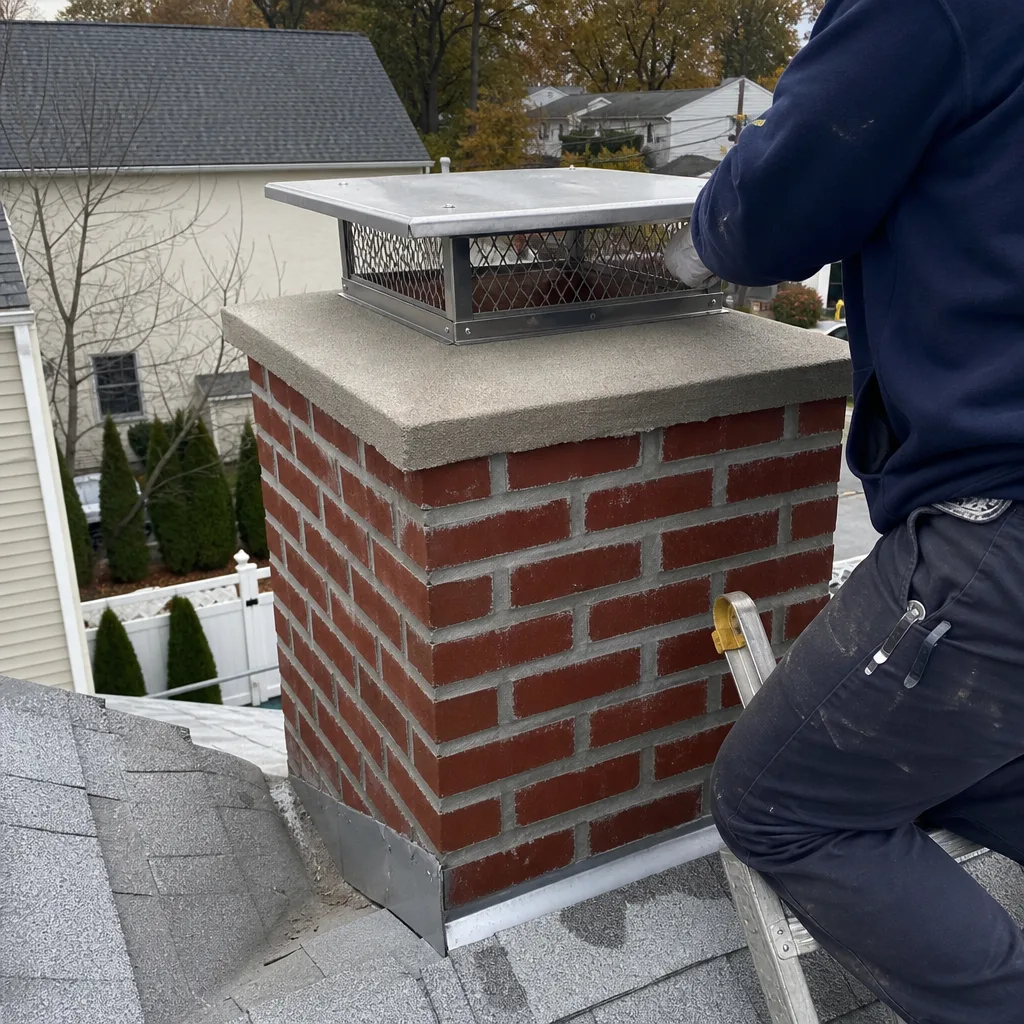 After
After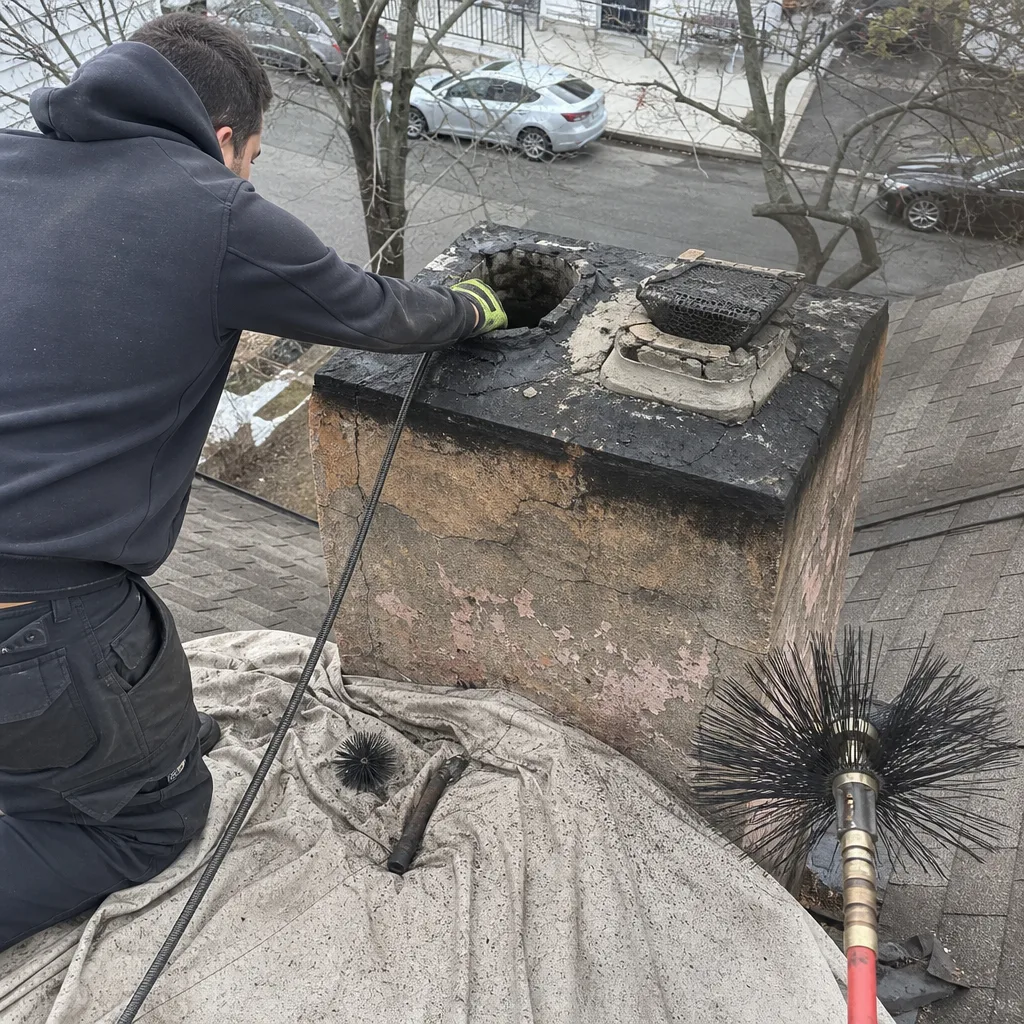 Before
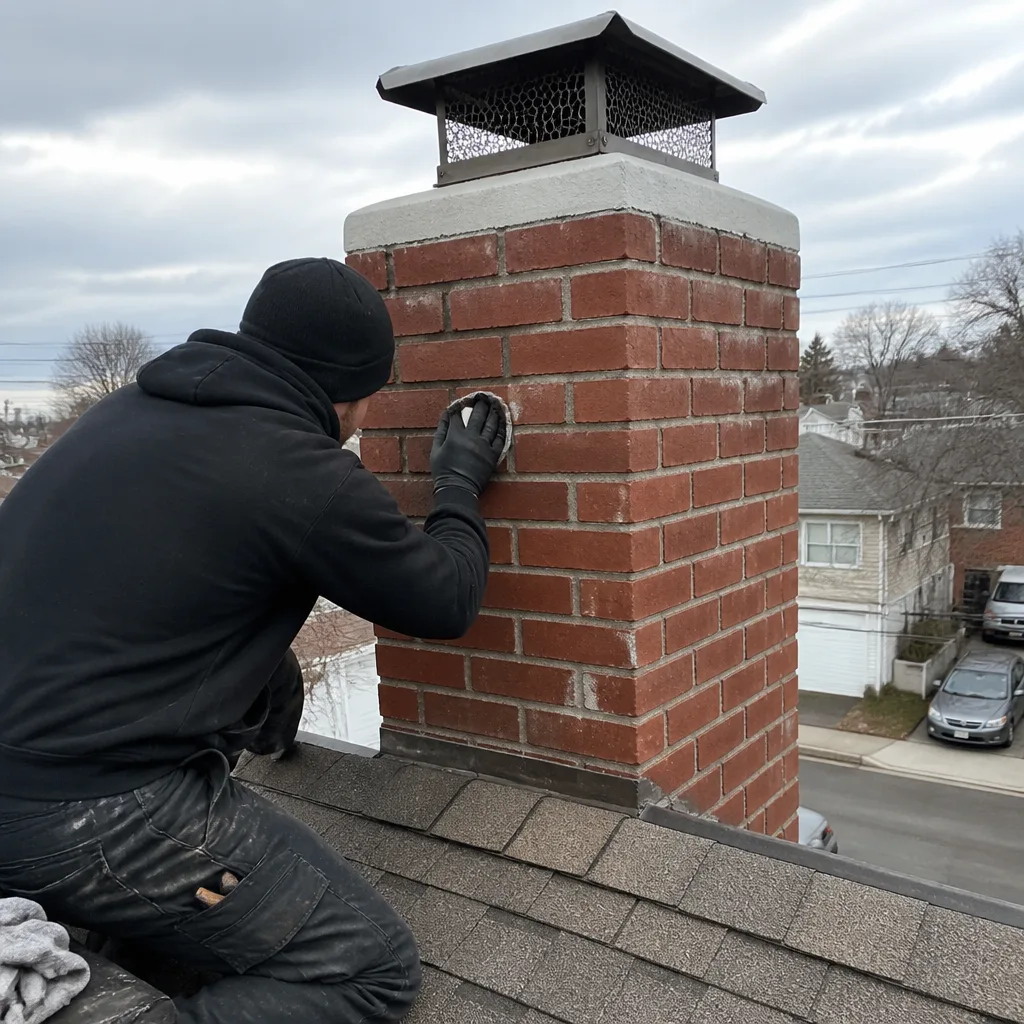 After
After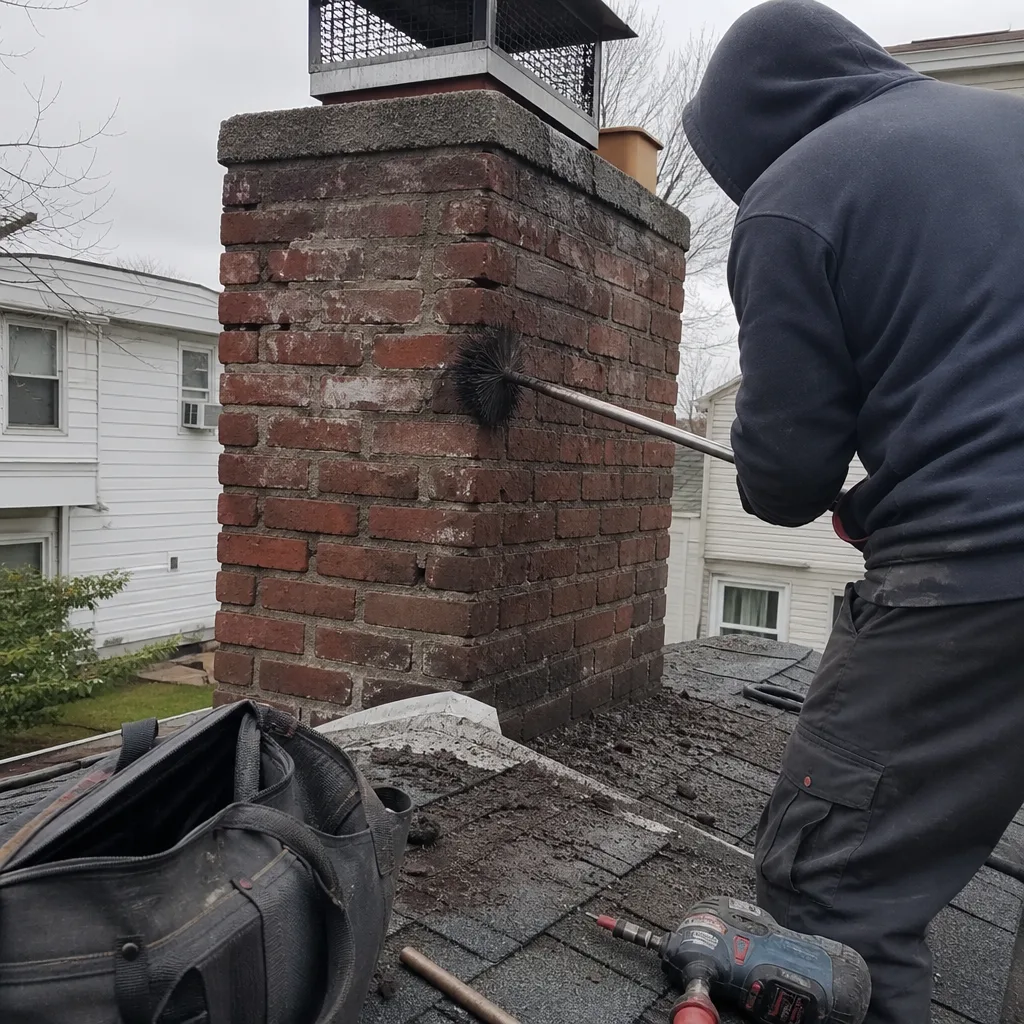 Before
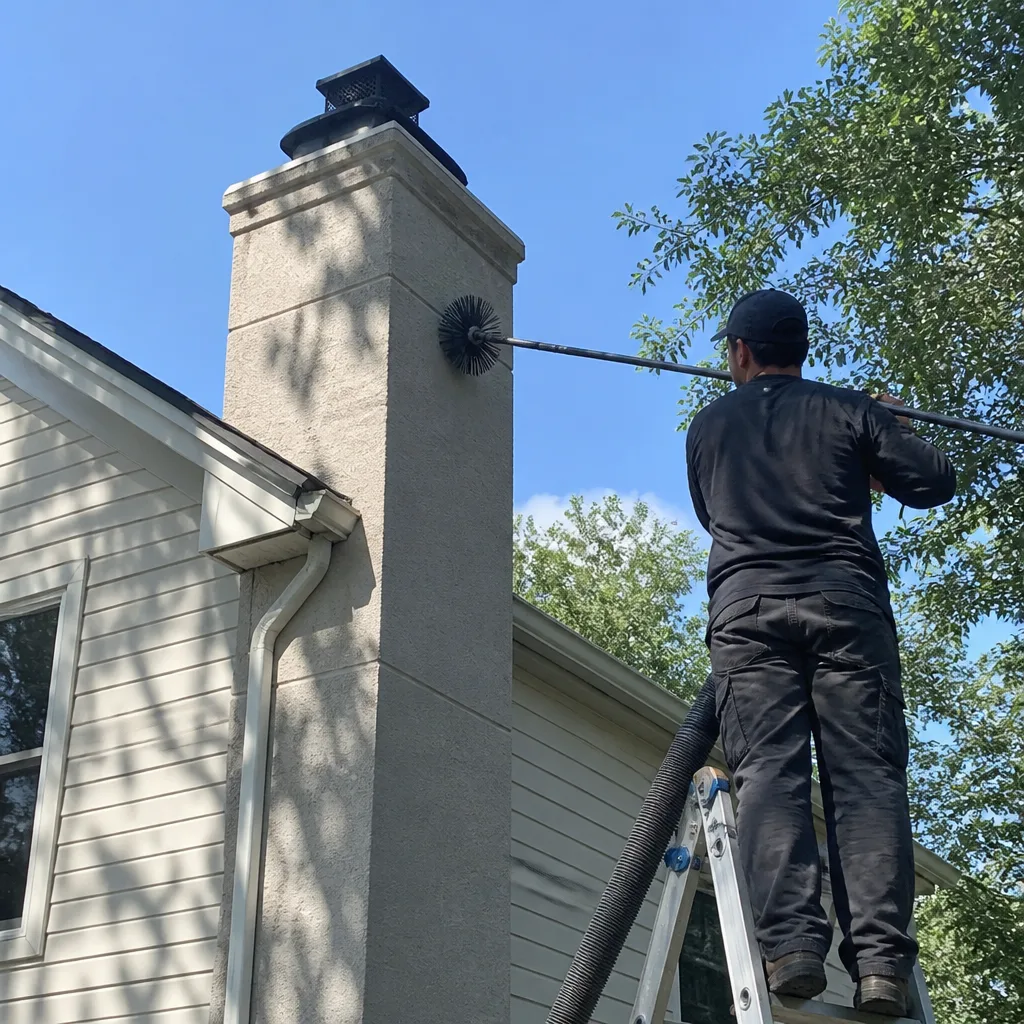 After
AfterSoot Removal in Staten Island, NY
Soot removal in Staten Island typically runs between $150 and $400, depending on how much buildup is present and whether the fireplace or insert requires disassembly to clean thoroughly. Most appointments take two to three hours, and our technicians complete the work in a single visit.
If you’ve noticed a dark, powdery residue collecting on your firebox walls, smoke chamber, or damper plate, that’s soot – and it doesn’t stop accumulating on its own. Left alone, soot absorbs moisture, turns acidic, and begins corroding the masonry and metal components it coats. It also restricts airflow in ways that are easy to miss until a fire starts burning poorly or smoke begins backing into the room. At Hearthstone Chimney Co., we’ve been doing this work since 1984, and soot removal is one of the most common Chimney Cleaning & Sweep services we handle on Staten Island. The fix is straightforward when it’s caught early and more involved when it isn’t.
To speak with someone now, call (516) 613-3035 – a live person answers every call, seven days a week, around the clock. Or read on to understand exactly what the service involves, what it costs, and what to expect when we arrive.
Soot removal is one component of our broader Chimney Cleaning & Sweep in Staten Island service. If your chimney hasn’t been swept in more than a year, it’s worth scheduling both at the same time.
When You Need Soot Removal
Soot accumulates during every burn cycle, but the rate varies considerably depending on the wood you burn, how hot your fires run, and the age and condition of your chimney system. Staten Island’s older housing stock – much of it built between the 1940s and 1970s – includes a lot of fireplaces that were used heavily for decades and then left largely untouched. That combination produces some of the heaviest soot loads we see anywhere.
These are the situations that tell us soot removal is overdue:
- Visible black staining on the firebox walls or damper. A thin gray coating after a fire is normal. Black, oily, or flaky deposits that accumulate from season to season are not – they indicate incomplete combustion and a buildup problem that will worsen each year.
- A persistent smoky or acrid smell, especially in humid weather. Soot absorbs moisture readily, and Staten Island’s coastal humidity amplifies this. When damp soot warms up as temperatures rise in spring, the sulfur compounds in it off-gas into the living space. Homeowners in Tottenville and Great Kills notice this most, because those neighborhoods sit close to the water.
- Smoke backing into the room during fires. Thick soot deposits narrow the flue, reduce draft, and push combustion gases back down into the house. This isn’t a draft problem you solve by opening a window – it’s a cleaning problem.
- Dark staining around the fireplace opening on your wall or mantel. If soot is escaping the firebox and settling on surrounding surfaces, the fireplace isn’t containing exhaust the way it should.
- You’re preparing to use a fireplace or insert that’s been dormant for several years. A fireplace that sat unused through multiple winters still accumulates moisture-laden soot, and animal nesting or debris can mix with existing deposits. We see this regularly in Westerleigh and Castleton Corners, where a lot of homes changed hands recently and buyers are discovering fireplaces that haven’t been serviced in a decade.
- Your last cleaning was more than a year ago and you burned more than a cord of wood. NFPA 211 calls for annual chimney inspections. If you’ve been burning regularly and skipped a season, the math usually means it’s time.
Our Soot Removal Process
We run the same documented process on every job. There’s no guesswork and no skipping steps because the appointment is running long. Here’s what happens from the time our technician arrives to the time the drop cloth comes up.
- Pre-job walkthrough and protection. Before any brushes or vacuums come out, we lay heavy canvas drop cloths over the hearth and surrounding flooring and seal the firebox opening. Soot is fine-particulate and spreads easily – the containment setup matters. Our technicians are background-checked and uniformed, and they treat your home accordingly.
- Level-2 camera inspection of the flue. We run a camera into the flue and document what’s there – soot depth, glazed creosote if present, any cracks or spalling in the liner. You see the photos. We give you a plain-English verdict on what we found before we start removing anything. This step protects you from being told work needs to be done when it doesn’t, and it protects us from being blamed for a pre-existing crack we didn’t cause.
- Systematic soot removal from the top down. Working from the smoke chamber down through the firebox, we use professional-grade brushes and tools from Copperfield – the same brushes used by certified sweeps, not consumer hardware-store kits – to dislodge soot from flue walls, the smoke shelf, and the damper assembly. A high-efficiency HEPA vacuum runs continuously at the firebox to capture particulates before they migrate into the room.
- Smoke shelf and smoke chamber cleaning. The smoke shelf behind the damper is one of the most overlooked surfaces in any fireplace, and it’s often where the heaviest soot loads sit. We clean it thoroughly because debris left there will fall back into future fires and contribute to smoke-back problems.
- Firebox and damper inspection. Once the cleaning is complete, we inspect the firebox floor and walls for spalling brick, deteriorated mortar joints, and any signs of moisture infiltration. The damper plate gets checked for warping and proper sealing. If we find anything, we document it and explain the options – no pressure, just the facts.
- Final walkthrough and written report. Before we leave, we go over the before-and-after photos with you, confirm the condition of the system, and leave you a written record of what was done. If anything warrants a follow-up repair, you’ll have it in writing with upfront pricing – the number on the estimate is the number on the invoice, no exceptions.
Soot Removal Pricing in Staten Island
Soot removal in Staten Island generally falls in the range of $150 to $400 for a standard single-fireplace system. A second fireplace on the same visit typically adds $100 to $175, since the setup and inspection work is already done.
Several factors move the price within that range:
- Depth of buildup. A fireplace swept annually with seasoned hardwood takes less time than one that burned green wood for three seasons and hasn’t been touched since. Heavy deposits require more passes and more time.
- System type. Open masonry fireplaces, factory-built zero-clearance fireplaces, and wood-burning inserts each have different access points and cleaning requirements. Inserts often need to be pulled out from the surround to clean the area behind the unit properly.
- Presence of glazed creosote. If soot has been allowed to pyrolyze into Stage 2 or Stage 3 creosote – the glazed, tar-like deposits – removal becomes a different job. Stage 3 in particular requires chemical treatment and additional labor. We’ll tell you on the spot what we’re dealing with, and we’ll photograph it so you can see it yourself.
- Flue height and access. Taller chimneys, particularly on the older three-story homes in St. George and Stapleton, require more equipment and time.
| Service | Typical Range (Staten Island) |
|---|---|
| Standard soot removal, single flue | $150 – $250 |
| Soot removal with heavy buildup | $250 – $400 |
| Second fireplace, same visit | $100 – $175 (add-on) |
| Insert pull-out cleaning | $200 – $350 |
| Stage 2/3 creosote treatment (if found) | Quoted separately after inspection |
Every job starts with a free, no-obligation estimate. We also offer a permanent 5% discount for seniors and veterans – no expiration, no fine print. And if you’ve already received a written estimate from another company, we’ll give you a free second opinion at no charge.
All work is covered by our 90-Day Done Right Promise: if something isn’t right, we come back and make it right. In writing, no arguing.
Call (516) 613-3035 for an exact quote. Estimates are free, and the person who answers can usually get you scheduled within the week.
What Soot Does to a Chimney Over Time
This section is worth reading if you’ve been putting off a cleaning for a year or two and wondering whether it really matters.
Fresh soot is mostly carbon – a dry, powdery substance that a good sweep removes in an hour. The problem is that soot is also slightly acidic and hygroscopic, meaning it pulls moisture from the air. Staten Island’s humidity, particularly in neighborhoods along the Arthur Kill like Rossville and Charleston, gives it plenty to work with year-round. Once soot becomes damp, the sulfur compounds in it begin converting to sulfuric acid. That acid attacks mortar joints, clay flue tiles, and any steel components in the system. The corrosion is slow but cumulative, and it’s one of the primary reasons we see liner cracks in chimneys that were never used hard enough to explain the damage any other way.
The second issue is airflow. Even a moderate soot deposit reduces the effective diameter of the flue, and a smaller flue moves combustion gases more slowly. That slower draw is what causes smoke to back into the room, and it’s also what allows carbon monoxide – which you can’t smell – to linger longer than it should. We don’t say this to alarm anyone; we say it because understanding the mechanism makes it easier to prioritize the appointment rather than let it slide another season.
Cleaning soot while it’s still soot is always simpler and less expensive than cleaning it after it’s hardened into creosote. That’s a fact of chemistry, not a sales pitch.
Why Homeowners in Staten Island Call Hearthstone
Hearthstone Chimney Co. has been working on Staten Island chimneys since 1984 – over 42 years. Russell Haines has built this company on one principle: do the job correctly the first time, document it, and stand behind it. That’s not a marketing line; it’s how we’ve stayed in business in the same community for four decades.
A few things that set our work apart:
- Photos you can actually see. Our Level-2 camera inspection produces images we walk through with you before we start and after we finish. You’re not taking our word for anything.
- Professional-grade materials. When a job calls for replacement brushes, liner components, or sealing products, we use what the trade uses – Copperfield, DuraFlex, and similar professional-grade suppliers. Not what’s on the shelf at a big-box store.
- One visit, done. Our technicians are equipped and authorized to handle what they find. Most soot removal jobs are complete in a single appointment, without a second scheduling headache.
- Upfront pricing, written down. The estimate you receive is the invoice you sign. We’ve never sent a homeowner a bill that was higher than the number we quoted.
- The 90-Day Done Right Promise. In writing. No arguing. If the job isn’t right, we come back. That’s the commitment, and it doesn’t expire in 30 days or require a phone tree to activate.
We also answer our own phones. Every call to (516) 613-3035 reaches a live person, not a recording, not a scheduling app. That’s been true since 1984 and it’s still true now.
FAQs – Soot Removal
How much does soot removal cost in Staten Island?
Soot removal in Staten Island typically costs between $150 and $400 for a single-flue fireplace, with most standard jobs landing in the $150 to $250 range. The price depends on how much buildup is present, whether the system is a masonry fireplace or an insert, and whether any creosote has formed alongside the soot. Call (516) 613-3035 for a free estimate – the quote we give you is the number on the invoice.
Is soot removal the same as a chimney sweep?
Soot removal is one part of a full chimney sweep. A complete sweep also addresses creosote in the flue, clears debris from the smoke shelf, and includes an inspection of the liner, damper, and firebox. If your chimney hasn’t been swept in more than a year, it usually makes sense to do both at the same appointment rather than treating soot removal as a standalone service. Our Chimney Cleaning & Sweep in Staten Island page covers what’s included in a full-service appointment.
Can I remove soot myself?
You can wipe down the firebox walls with a dry brush and a HEPA vacuum – that’s reasonable maintenance between professional cleanings. The parts that matter most, though, are the ones you can’t easily reach: the smoke shelf, the smoke chamber, and the flue itself. Those areas require proper equipment, containment, and a camera inspection to clean safely and confirm they’re clear. Attempting flue cleaning without containment also means fine soot particulate spreading through the house, which is a significant air-quality problem. For anything beyond surface firebox cleaning, a trained sweep is the right call.
How often does a fireplace need soot removal?
NFPA 211 recommends an Annual Sweep and chimney inspection for any fireplace in regular use, and cleaning whenever deposits warrant it. For a household that burns two or more cords of wood per season, that typically means an annual cleaning. Fireplaces used only occasionally – a few fires per winter – may go two seasons between full cleanings, but still benefit from an annual inspection to catch moisture damage, animal intrusion, or early-stage creosote formation before any of those become expensive repairs. If you’re unsure where you stand, a camera inspection will answer that question plainly.
If you’re searching for Chimney Cleaning & Sweep Near Me in Staten Island, NY and a fireplace or chimney is on your list, call (516) 613-3035. A live person will answer, give you a straight answer on what the job involves, and get you scheduled. The estimate is free, the pricing is upfront, and the work is covered by our 90-Day Done Right Promise – in writing.
Written by Russell Haines, Owner at Hearthstone Chimney Co., serving Staten Island since 1984.