
Last updated September 10, 2026
Level 1 sweep and inspection to the NFPA 211 annual standard - flue, crown, cap, and flashing checked and photographed
Chimney sweep logs do not sweep chimneys. They loosen some creosote - which then falls where a brush and vacuum still have to collect it.
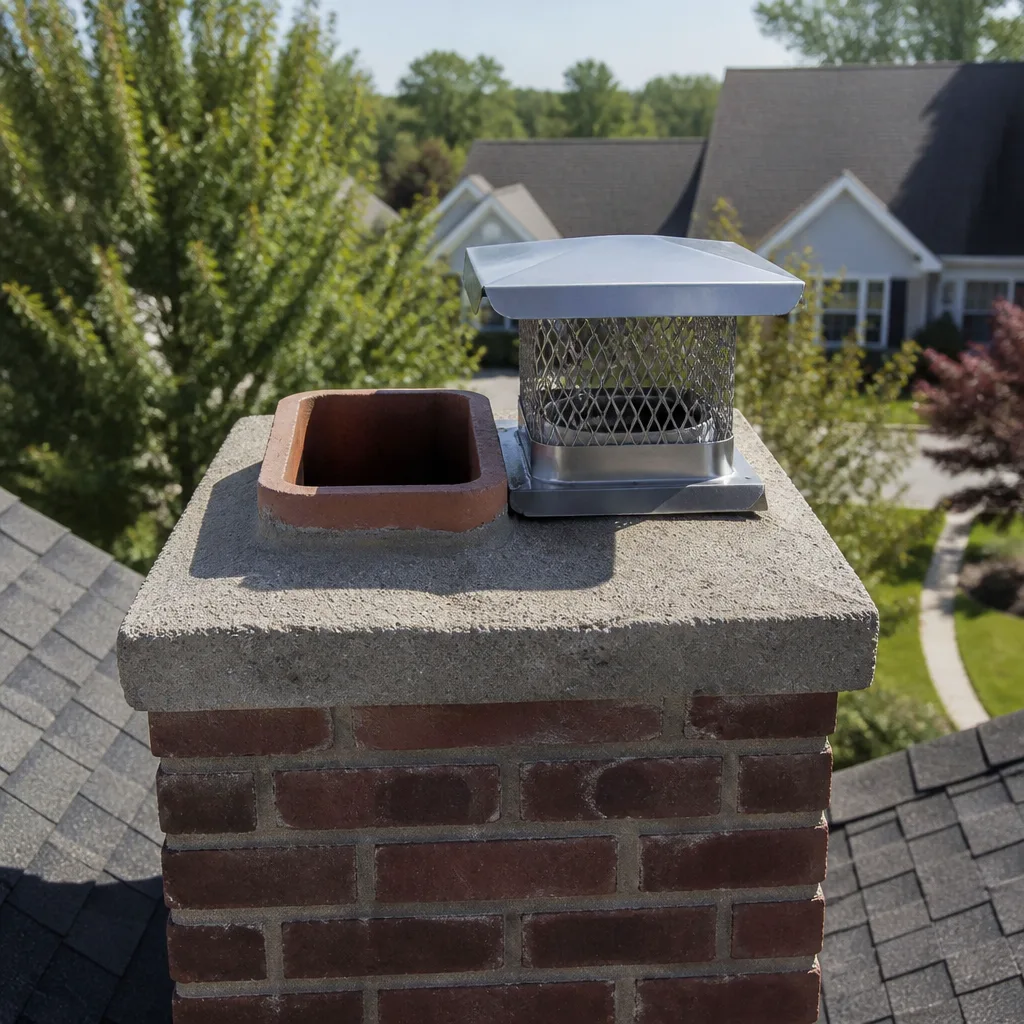
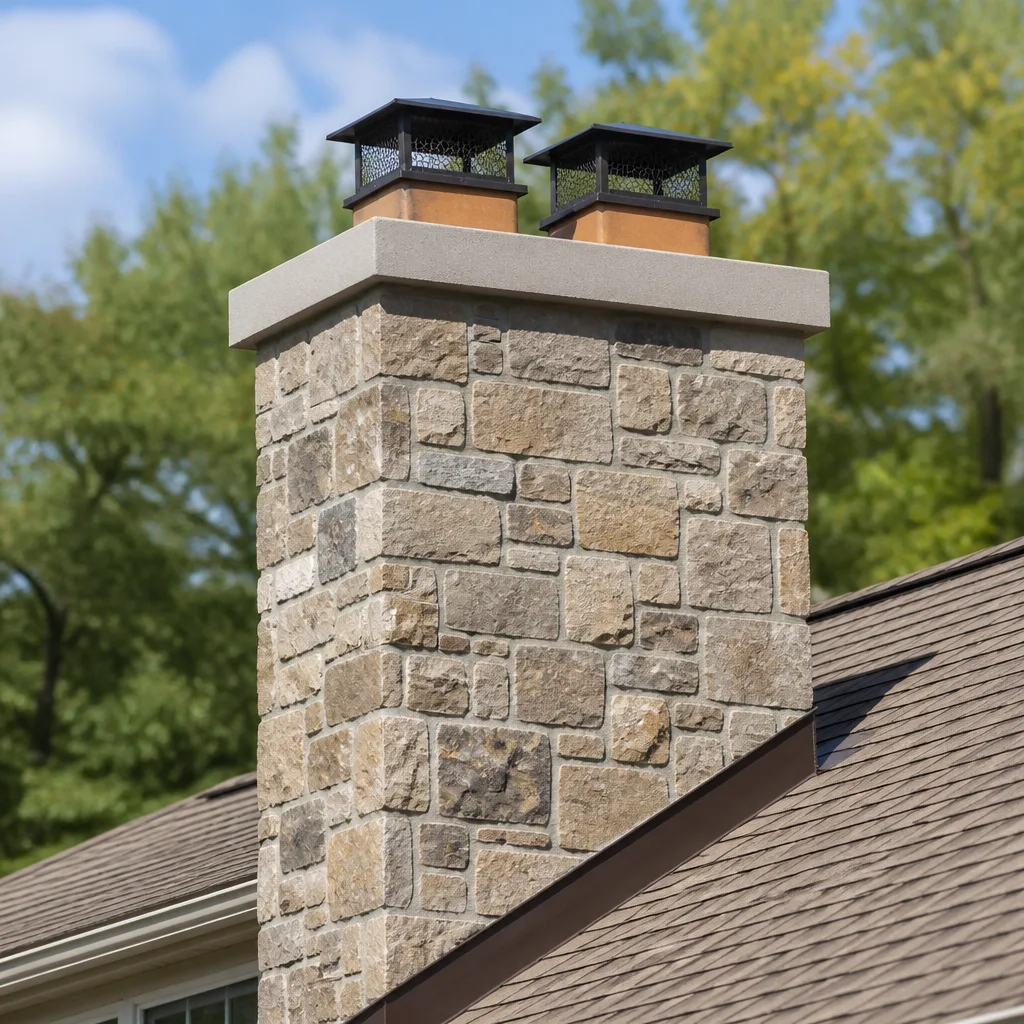
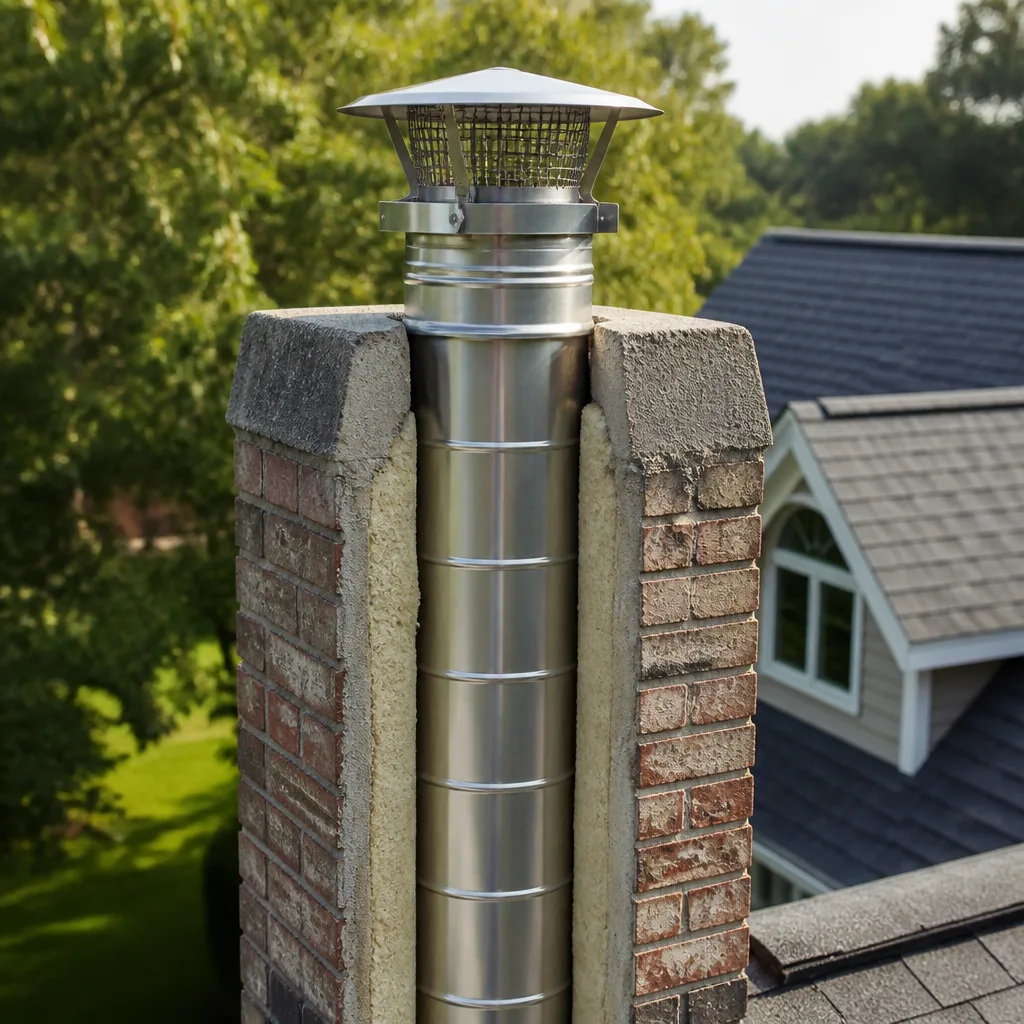
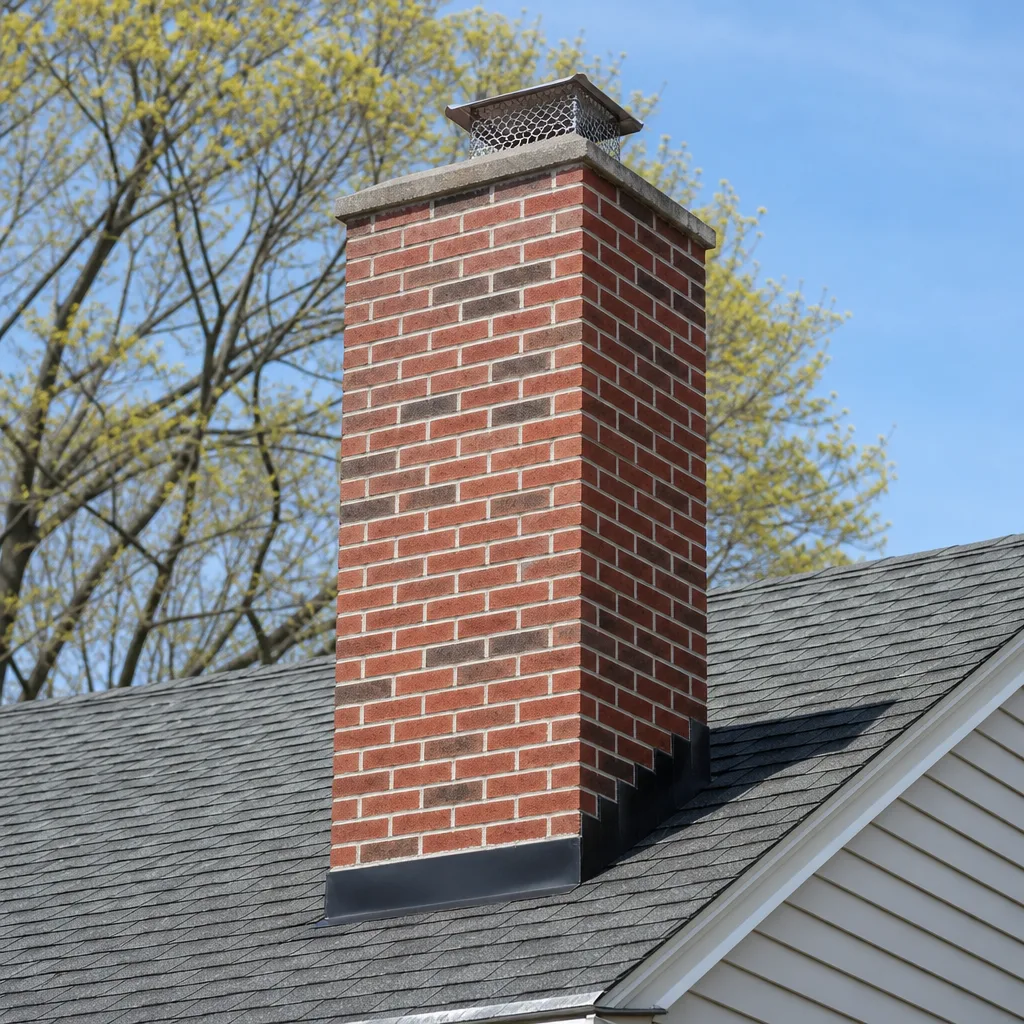
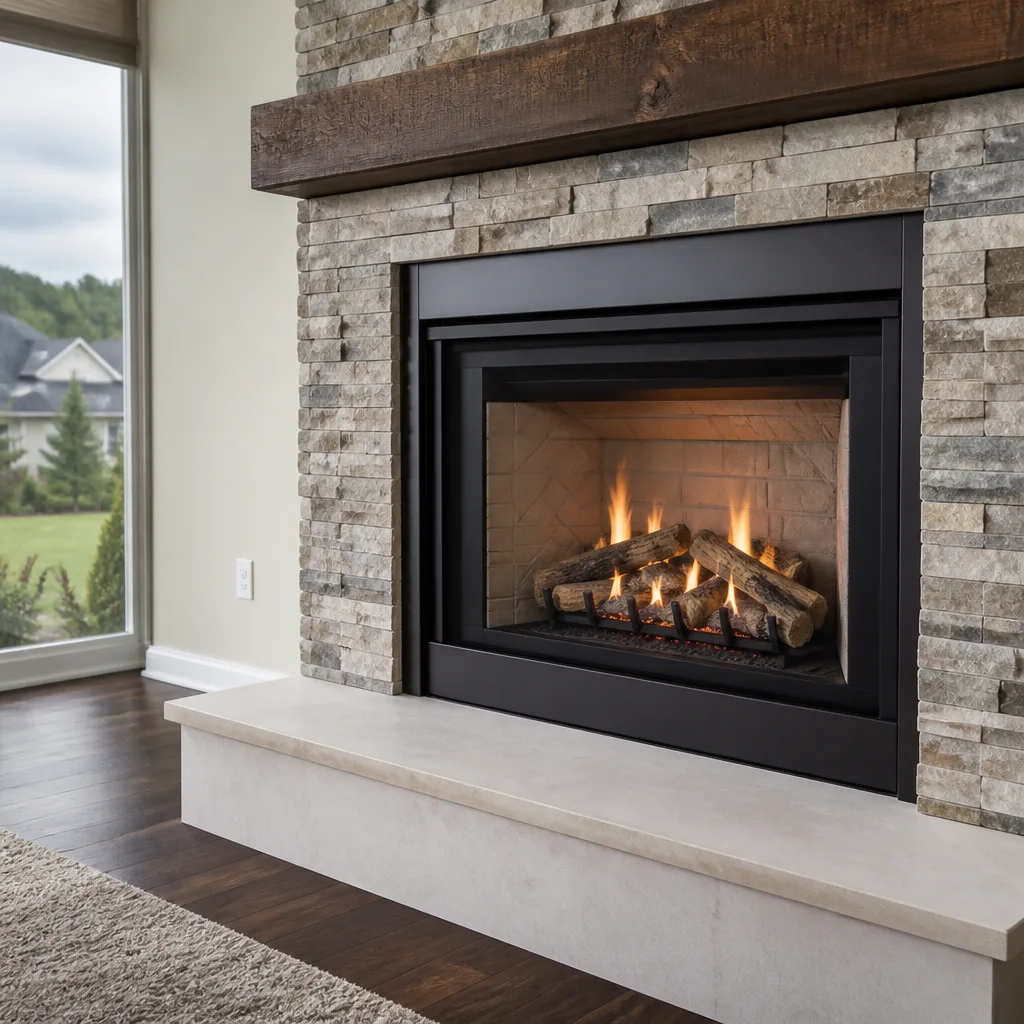
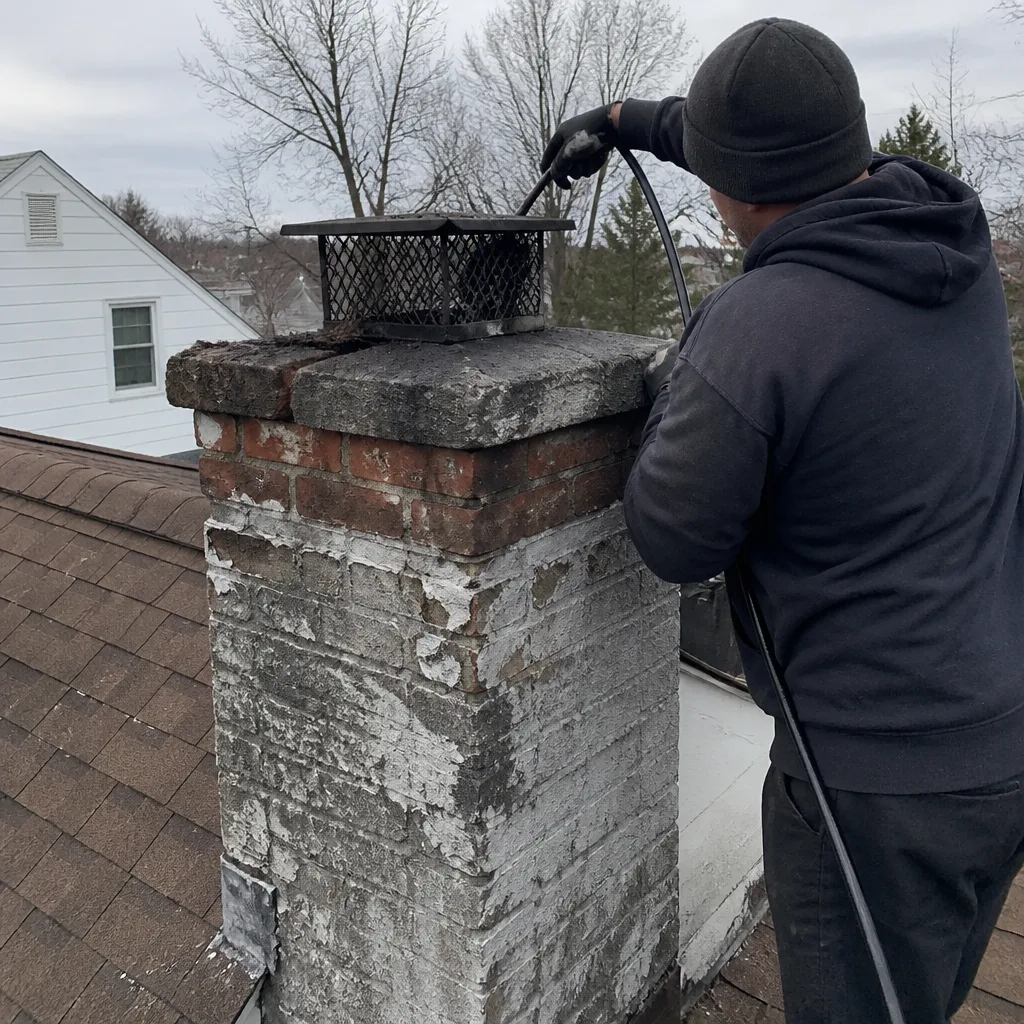 Before
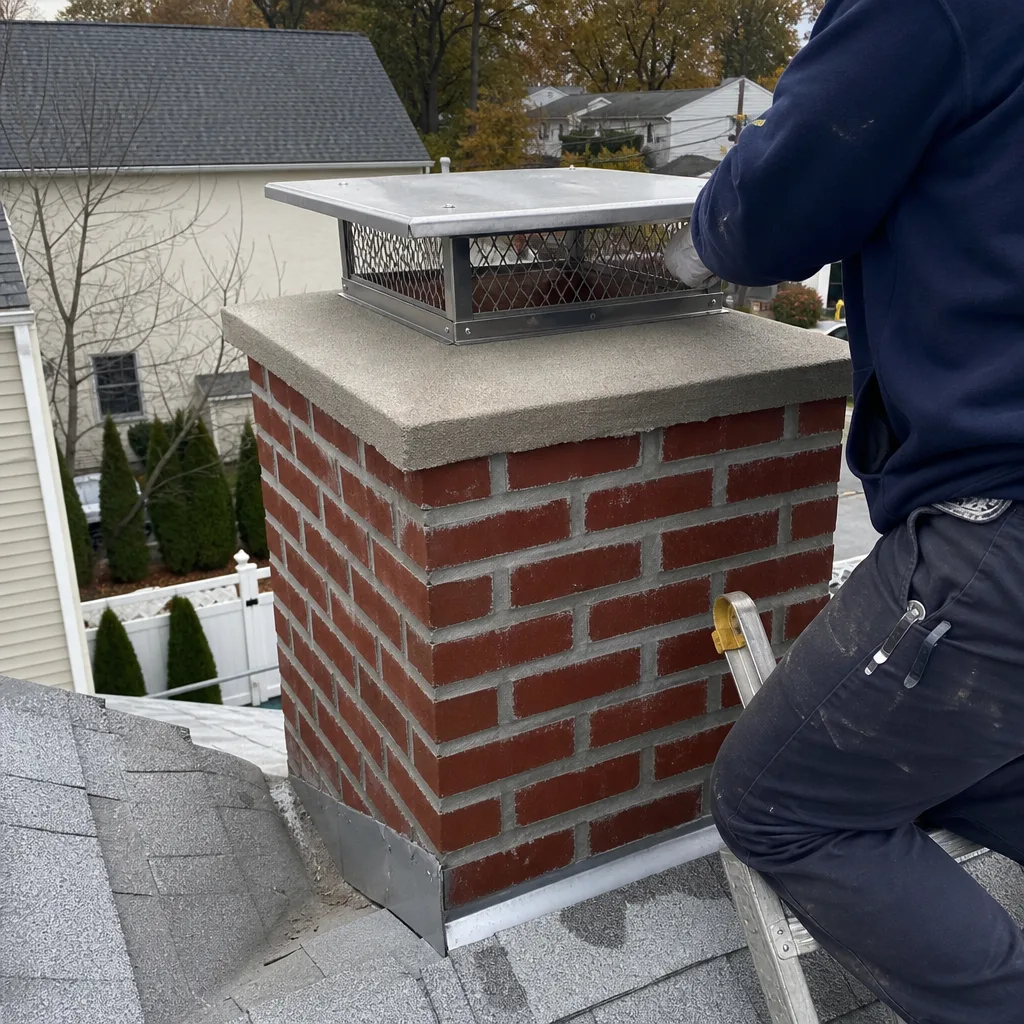 After
After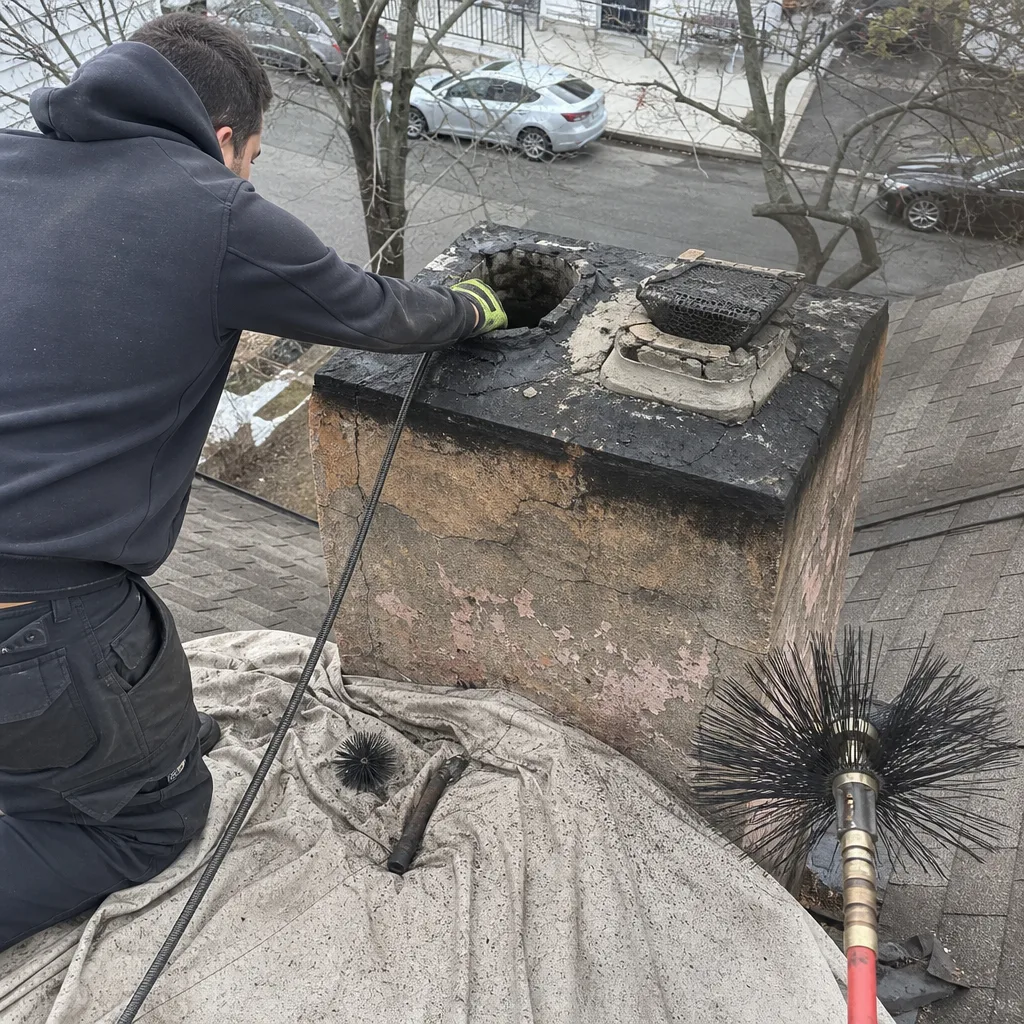 Before
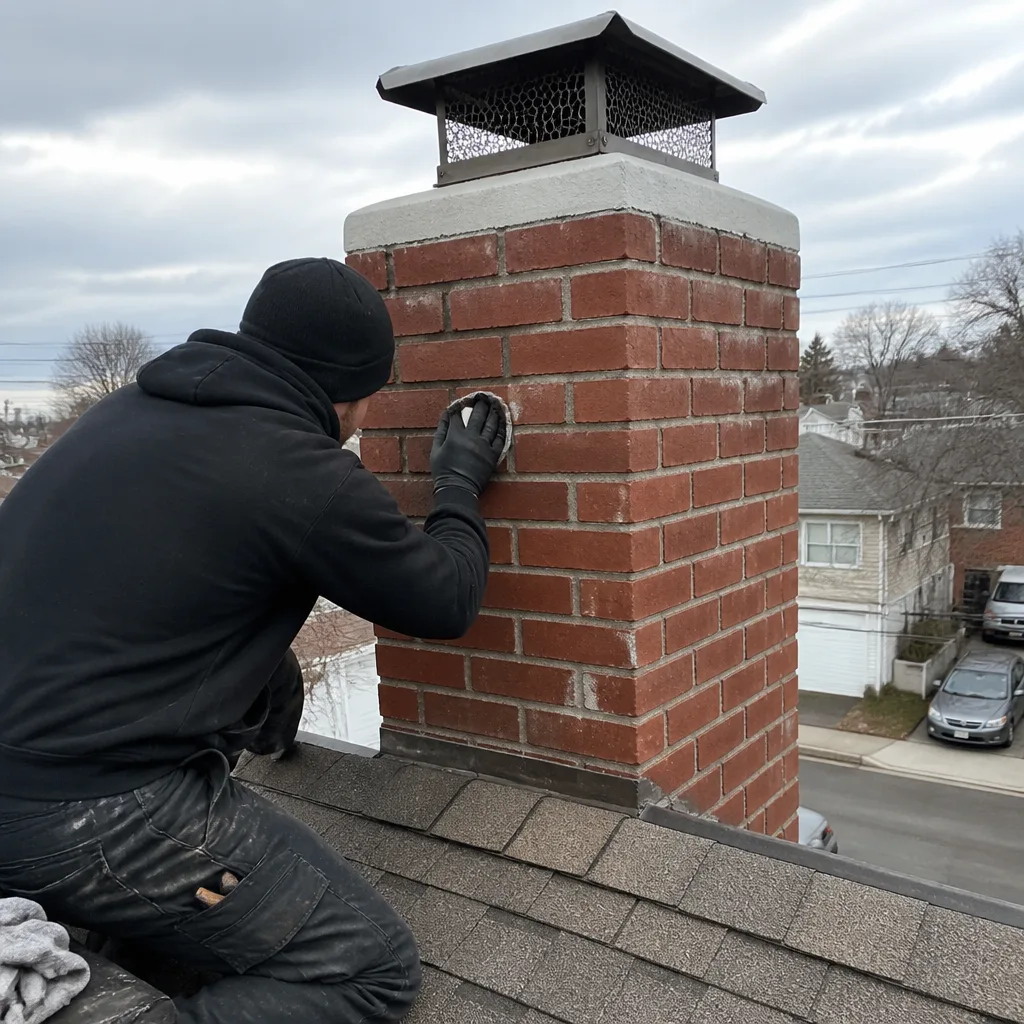 After
After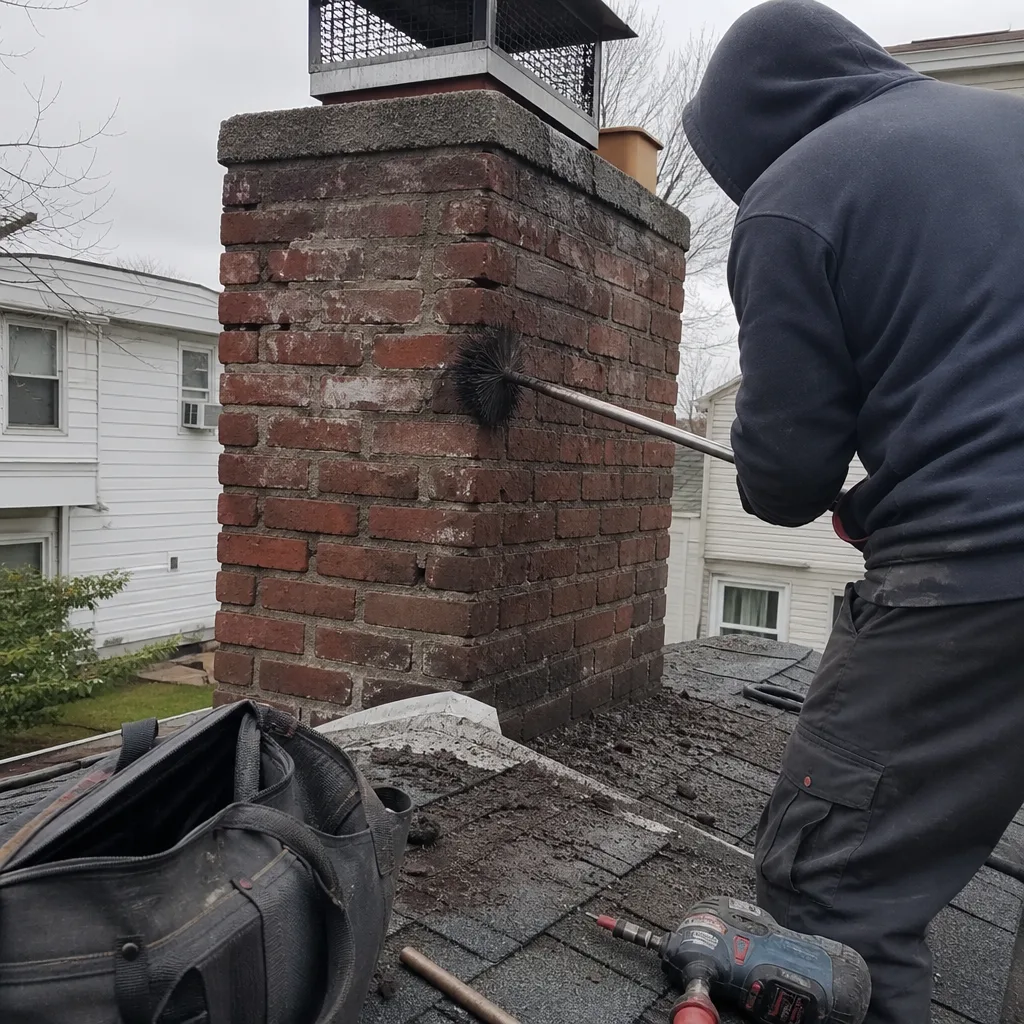 Before
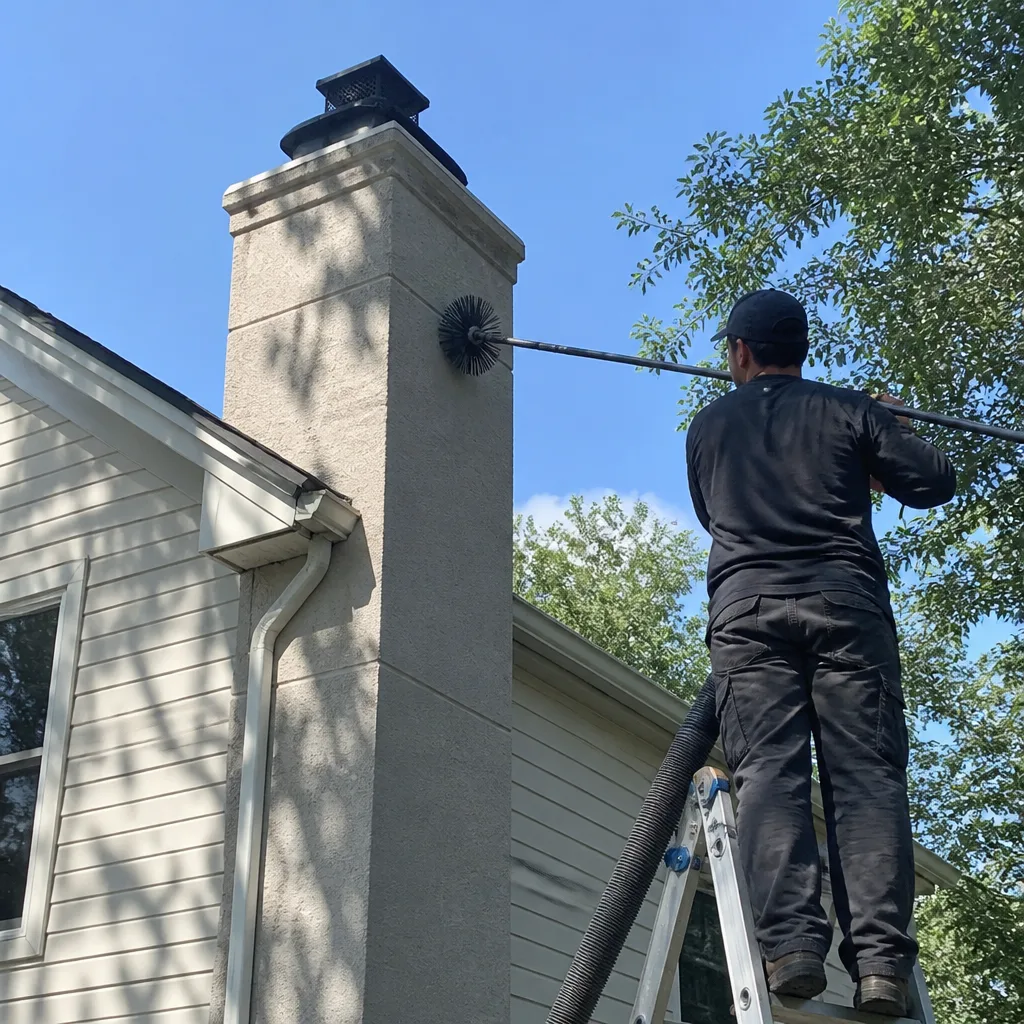 After
AfterHow to Hire a Chimney Cleaning Contractor in Staten Island: A Step-by-Step Guide
New York State does not require chimney sweeps to hold a state license. That’s not a loophole - it’s the standard condition of the industry. The credentials that matter are voluntary, verifiable, and almost never asked for at the time of booking. In Staten Island, where salt air from the Arthur Kill and Raritan Bay accelerates masonry deterioration and where pre-war colonials in Westerleigh share streets with newer construction in Huguenot, the quality gap between contractors is enormous. This guide - with more guides & resources available on our blog - gives you a concrete vetting sequence that separates craftsmen from opportunists before anyone touches your flue.
Quick Answer
To hire a chimney cleaning contractor in Staten Island, verify CSIA certification through the public lookup tool, confirm the company carries general liability and workers’ compensation insurance, request a written scope of work with line-item pricing, and insist on a written guarantee of at least 30 days. The entire vetting process takes under 10 minutes and eliminates the majority of unqualified operators in this market.
Table of Contents
- How to Verify CSIA Certification in 90 Seconds
- Five Questions That Separate Craftsmen from Opportunists
- What a Written Scope of Work Should Actually Say
- How to Read a Chimney Cleaning Estimate Line by Line
- The Real Value of a Written Guarantee
- Staten Island-Specific Risks and What They Mean for Your Chimney
- Common Mistakes to Avoid
- When to Call a Professional
- Frequently Asked Questions
- The Bottom Line
How to Verify CSIA Certification in 90 Seconds
The Chimney Safety Institute of America (CSIA) runs the only nationally recognized certification program for chimney sweeps. It is not required by law in New York. It is not automatic with membership in any trade group. A technician must pass a written examination, sign a code of ethics, and recertify every three years. The difference between a CSIA Certified Chimney Sweep and someone who calls themselves a sweep is the difference between a licensed electrician and a handyman who says he “does electrical.”
Here is the verification process:
- Go to csia.org/search and click “Find a Certified Chimney Sweep.”
- Enter the technician’s full name or the company name.
- Look for an active certification status with a current expiration date.
- If the name does not appear, ask the company directly for the technician’s CSIA ID number and search again.
If a company resists this step, balks at providing names, or tells you their certification is “pending,” that is your answer. In our 42 years of serving Staten Island homeowners, we have never encountered a legitimate reason a qualified sweep would hide this credential. The lookup is free, public, and takes less time than reading a takeout menu.
CSIA certification also matters for insurance purposes. Some homeowner policies require documented professional maintenance for fire-related claims. A cleaning by an uncertified operator may not satisfy that requirement, leaving you exposed after a chimney fire in a Tottenville waterfront home or a carbon monoxide event in a snug Port Richmond rowhouse.
Five Questions That Separate Craftsmen from Opportunists
These questions are designed to surface whether a company owns its work or vanishes after the invoice. Ask them before scheduling. Write down the answers.
- “Will the technician who arrives be CSIA certified, and can I have their name before the appointment?” A company that assigns random subcontractors cannot answer this. A company that employs its own technicians can. The answer reveals whether you are hiring a firm or a dispatch service.
- “What does your general liability policy cover, and will you provide a certificate of insurance before the work begins?” Do not accept “we’re fully insured” as an answer. Request a certificate showing coverage limits and expiration dates. In Staten Island, where many homes have steep slate roofs and narrow alley access, workers’ compensation coverage is not optional. If a technician falls and the company lacks coverage, your homeowner policy becomes the target.
- “Do you use a chimney camera for the inspection, and will I receive photos?” A Level-2 inspection with a chimney camera is the only way to evaluate flue liner condition, creosote buildup patterns, and hidden masonry damage. Without photographic documentation, any recommendation for liner replacement or rebuild work is unverifiable. We document every chimney cleaning and sweep in Staten Island with photos the homeowner can see and a plain-English verdict - documented like an engineer, explained like a craftsman.
- “What is your policy if I am dissatisfied with the work?” Listen for specifics. “We’ll come back” is not a policy. “We guarantee our work for 90 days in writing with no arguing” is. The absence of a written guarantee means the company has not committed to anything enforceable.
- “Will the price on the estimate match the price on the invoice?” Upfront pricing should mean exactly that. If the answer includes caveats about “additional findings” or “possible extra charges,” ask for the threshold that triggers them and how they will be communicated. A legitimate contractor in Staten Island’s competitive market has no reason to obscure costs.
Companies that answer these questions fully and without hesitation are rare. That rarity is the point. Most bad actors depend on homeowners never asking.
What a Written Scope of Work Should Actually Say
A verbal agreement for chimney work is not worth the paper it is not printed on. A legitimate scope of work for a standard cleaning and inspection should contain these elements, each in plain English:
- Exact address and appliance location - “Chimney serving fireplace in first-floor living room, 123 Main Street, Staten Island, NY”
- Services to be performed - “Level-1 or Level-2 inspection per NFPA 211 standard; rotary sweeping of flue from firebox to crown; debris removal and HEPA cleanup of work area”
- Exclusions and limitations - “Scope does not include repair of structural defects, liner installation, or masonry rebuild unless separately quoted”
- Equipment and methods - “Chimney camera inspection with digital photo documentation; professional-grade brushes and rods; drop cloths and ventilation protection”
- Price and payment terms - “Total: $[X]. Payment due upon completion. No additional charges without homeowner written approval.”
- Guarantee language - “Work guaranteed for [X] days from completion date. Deficiencies corrected at no charge.”
Specific language that signals a legitimate contractor: references to NFPA 211 (the national standard for chimney maintenance), named inspection levels, and explicit camera documentation. Language that signals a price-and-run operation: vague phrases like “complete chimney service,” “full cleaning package,” or “safety inspection included” without defining what those terms mean.
In Staten Island’s older neighborhoods - St. George, Stapleton, New Brighton - many chimneys have been modified over decades by homeowners and handymen. A written scope forces the current contractor to acknowledge what they are actually working with, not what they assume.
How to Read a Chimney Cleaning Estimate Line by Line
Estimates in this market range from $89 tune-up specials to $400-plus for comprehensive service. The number alone tells you little. The structure tells you everything.
Line items that should appear on a legitimate estimate:
| Line Item | Typical Staten Island Range | What It Covers |
|---|---|---|
| Basic chimney sweep and Level-1 inspection | $150 - $250 | Standard cleaning for maintained chimney; visual inspection from accessible areas |
| Level-2 inspection with camera | $250 - $400 | Internal flue evaluation with photo documentation; required for real estate transactions or suspected damage |
| Debris removal and HEPA cleanup | Included or $25 - $50 | Protection of work area; soot and creosote containment |
| Fireplace smoke chamber parging | $500 - $1,500 | Smoothing of smoke chamber with refractory material; legitimate upsell only if camera shows corbelled brick or gaps |
| Chimney cap installation (stainless steel) | $300 - $600 | Animal and moisture exclusion; Gelco and Olympia Chimney are standard professional-grade brands in this region |
Upsells that are legitimate when documented: liner repair or replacement (requires camera evidence of cracks, gaps, or deterioration); crown rebuild (visible cracking or spalling); smoke chamber parging (camera shows rough surfaces increasing creosote accumulation); chimney repair in Staten Island for masonry damage from freeze-thaw cycles common in our coastal climate.
Upsells that are fabricated: “mandatory” liner replacement without camera evidence; “dangerous” creosote levels that somehow only the technician can see; “required” waterproofing treatments sold door-to-door after a “free inspection”; any recommendation delivered with urgency language like “your house could burn tonight.”
The rule: nothing should be recommended without evidence you can see yourself. Photos you can see, a plain-English verdict. If a technician shows you a blurry printout and says “trust me,” do not trust them.
The Real Value of a Written Guarantee
A guarantee is not a sentiment. It is a contractual obligation with terms, duration, and a process for enforcement. In an unlicensed industry, it is often the only protection a homeowner has.
A legitimate guarantee should specify:
- Duration: Minimum 30 days for cleaning work; 90 days or more for repair work. Our 90-Day Done Right Promise covers all work - if it’s not done right, we make it right, backed in writing with no paperwork and no arguing.
- Scope: What is covered (workmanship defects, material failures) and what is not (damage from subsequent events, homeowner modification, normal wear).
- Process: How to initiate a claim, response time, and whether the original technician or a different crew performs corrections.
- Documentation required: Whether photos, receipts, or inspection reports must be retained.
The absence of a written guarantee is common among one-truck operators and seasonal crews who work Staten Island in autumn and disappear before winter complaints arise. A company that plans to be in town in thirty more years acts accordingly. Hearthstone Chimney Co. has served local communities for over 42 years because we honor our commitments - in writing, no arguing.
Ask to see the guarantee before booking. If the company cannot produce it, they do not have one.
Staten Island-Specific Risks and What They Mean for Your Chimney
Geography and housing stock in Staten Island create conditions that out-of-market contractors often miss. A vetting process that ignores these factors is incomplete.
Salt air and accelerated deterioration: Homes within a mile of the Arthur Kill, Raritan Bay, or the Atlantic experience higher chloride exposure than inland New York City properties. This accelerates corrosion of metal components - chimney caps, dampers, and stainless steel liners. A contractor who does not inspect for salt-related corrosion is not serving your chimney’s actual condition. We see this regularly in Tottenville, Great Kills, and South Beach properties.
Freeze-thaw masonry damage: Staten Island’s coastal climate produces more freeze-thaw cycles than Manhattan or the Bronx. Water enters micro-cracks in brick and mortar, expands when frozen, and widens the crack over successive winters. By year ten, a small crown crack becomes a structural issue. Camera inspection catches this progression before rebuild is the only option.
Pre-war construction with unlined flues: Homes built before 1940 in neighborhoods like Westerleigh, Livingston, and Randall Manor often have original terra cotta flue liners - or no liner at all. Burning modern, efficient fires in these chimneys creates condensation that older designs never anticipated. A contractor unfamiliar with Staten Island’s housing stock may recommend standard cleaning when liner evaluation is the actual priority.
Local fuel and burning patterns: Many Staten Island homeowners burn seasoned hardwood from New Jersey or Pennsylvania suppliers. The creosote accumulation rate varies significantly by wood species, moisture content, and burning practice. A sweep who asks what you burn and how often is gathering information that affects cleaning frequency recommendations. One who does not ask is following a script, not serving your situation.
Permit and code awareness: While chimney cleaning itself does not require a permit in New York City, repair work that alters structure or liner configuration may trigger Department of Buildings review; see our guide to Chimney Cleaning Permits, Codes & Inspections in NY: What You Need to Know for details. A contractor who works regularly in Staten Island knows when to pull permits and when work qualifies as maintenance. An out-of-market operator may proceed unpermitted, exposing the homeowner to violations discovered at sale or insurance claim time.
Common Mistakes to Avoid
- Hiring based on the lowest price alone. A $79 sweep special in Staten Island typically covers a cursory brushing and a sales pitch for $3,000 in “necessary” repairs. The money you save on the front end is extracted with interest on the back end.
- Accepting a verbal estimate. Without written documentation, you have no recourse for work that is incomplete, sloppy, or never performed. Every legitimate contractor provides written estimates as standard practice.
- Neglecting to verify insurance. We have encountered homeowners in Eltingville and Annadale who discovered too late that their “insured” contractor carried only a business license with no liability coverage. Request the certificate. Every time.
- Booking without asking who performs the work. Some companies in the New York market are lead-generation services that sell your appointment to the lowest bidder. The technician who arrives may have no relationship to the company you researched.
- Ignoring the camera inspection. In Staten Island’s older housing stock, flue damage is common and invisible from the firebox. Skipping camera documentation means accepting recommendations on faith alone.
- Falling for seasonal scare tactics. “Your chimney is a fire hazard” delivered without photographic evidence is a sales technique, not a diagnosis. A legitimate technician explains what they see, shows you the image, and lets you decide the timeline.
- Failing to check how long the company has served the area. A business that opened last October and has no local history is a higher risk than a firm with decades in the community. Hearthstone Chimney Co. has served local communities for over 42 years - we plan to be here when you need us next.
When to Call a Professional
Certain conditions warrant immediate professional evaluation regardless of your scheduled maintenance calendar. Smoke backing up into the room, visible cracks in the firebox or hearth, water stains on walls or ceilings near the chimney chase, or a strong odor of creosote during humid weather all indicate active problems that cleaning alone will not resolve.
Carbon monoxide symptoms - headache, nausea, dizziness when the fireplace is in use - require evacuation and emergency services first, then chimney evaluation. A blocked or damaged flue can vent combustion gases into living space without visible smoke.
For routine maintenance, the National Fire Protection Association recommends annual inspection and cleaning as needed based on use. In Staten Island, where heating degree days and coastal moisture create demanding conditions, most wood-burning fireplaces benefit from annual sweeping as covered in our Seasonal Chimney Cleaning Care for Staten Island: Year-Round Homeowner’s Guide. Gas appliances require less frequent cleaning but still need inspection for venting integrity.
Hearthstone Chimney Co. offers free estimates in Staten Island. Our background-checked, uniformed technicians complete most jobs in a single visit, with no-hassle upfront pricing so there are no surprises on the bill. Call (516) 613-3035 to schedule. A live person answers every call, 24 hours a day, 7 days a week - not a voicemail, not a callback queue.
Frequently Asked Questions
A standard chimney sweep with Level-1 inspection in Staten Island typically costs between $150 and $250, while a Level-2 inspection with camera documentation ranges from $250 to $400; for full pricing context, see our Chimney Cleaning Cost Breakdown: The Staten Island Homeowner’s Reference for 2026. Prices below this range often indicate a loss-leader model designed to generate repair upsells. Call (516) 613-3035 for an exact quote - estimates are free.
No. New York State does not require chimney sweeps to hold a state license, which means any individual with a brush and a vehicle can advertise services. The credentials that matter - CSIA certification, general liability insurance, workers’ compensation - are voluntary and must be verified by the homeowner.
The National Fire Protection Association recommends annual inspection for all chimneys, with cleaning frequency determined by use and fuel type. Wood-burning fireplaces in Staten Island’s coastal climate typically require annual sweeping due to creosote accumulation accelerated by temperature differentials and moisture. Gas fireplaces need less frequent cleaning but still require annual venting inspection.
You need a new liner only if the existing liner is damaged, improperly sized, or absent - and this determination requires camera inspection evidence you can see. Common indicators include visible cracks in terra cotta tiles, gaps at joints, or corrosion in stainless steel liners. We use professional-grade materials from brands like DuraFlex and HeatShield for liner repair and replacement, but we do not recommend either without documented need.
Skipped maintenance leads to creosote accumulation, which increases chimney fire risk and can obstruct flue gases including carbon monoxide. In Staten Island’s older homes with unlined or damaged flues, the consequences escalate faster than in newer construction. The cost of preventive maintenance is a fraction of fire damage restoration, liner replacement, or emergency medical care.
Verify CSIA certification through the public lookup tool, request a certificate of insurance, ask for a written scope of work with line-item pricing, and confirm the company offers a written guarantee of at least 30 days. Legitimate companies answer these questions without hesitation; illegitimate ones deflect, delay, or disappear.
The Bottom Line
Hiring a chimney cleaning contractor in Staten Island requires active verification because the industry regulates itself through voluntary credentials, not state mandate. The ten-minute vetting process - CSIA lookup, insurance confirmation, written scope review, estimate analysis, and guarantee verification - eliminates most bad actors before they reach your door. The contractors who remain are the ones who have invested in training, documentation, and long-term reputation. They are the ones who answer the phone when you call back. Done right - and we stand behind it.
Written by Russell Haines, Owner at Hearthstone Chimney Co., serving Staten Island since 2014.