
Last updated September 10, 2026
Level 1 sweep and inspection to the NFPA 211 annual standard - flue, crown, cap, and flashing checked and photographed
Chimney sweep logs do not sweep chimneys. They loosen some creosote - which then falls where a brush and vacuum still have to collect it.
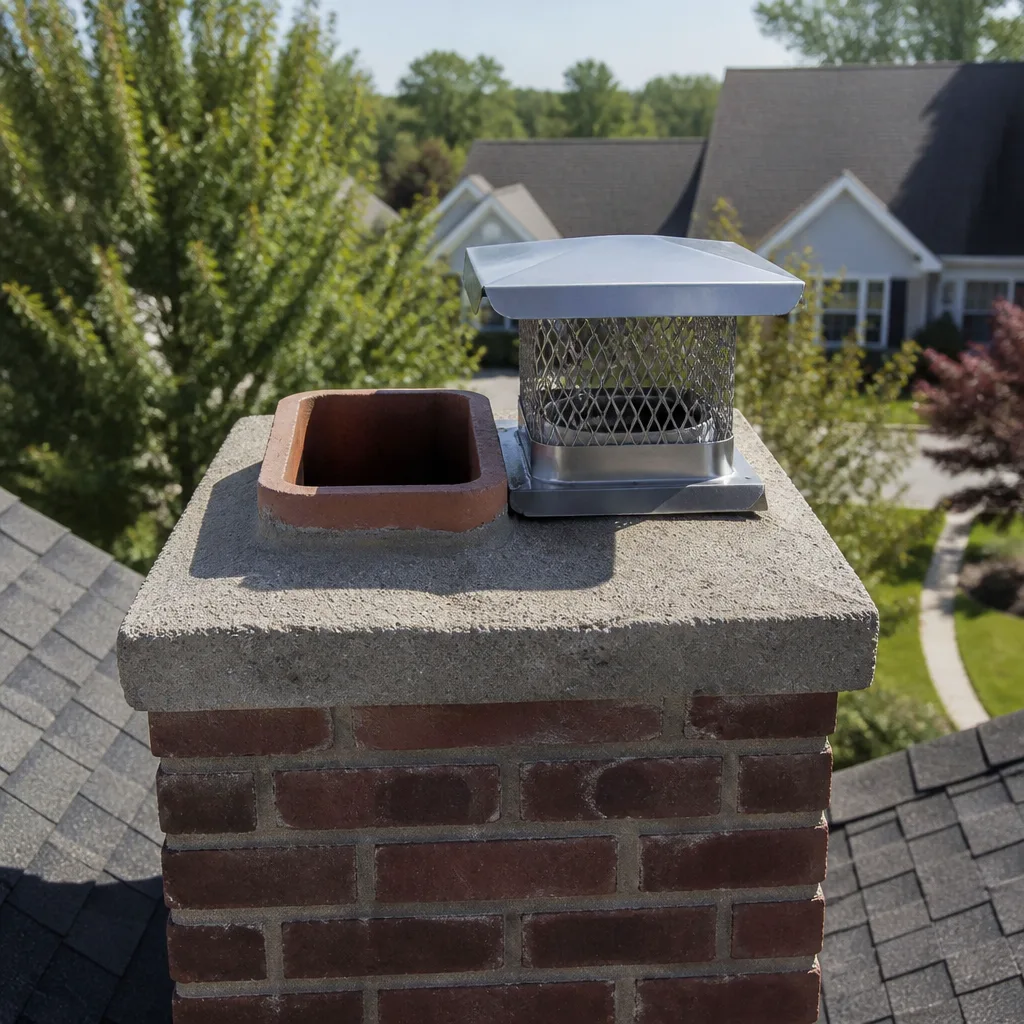
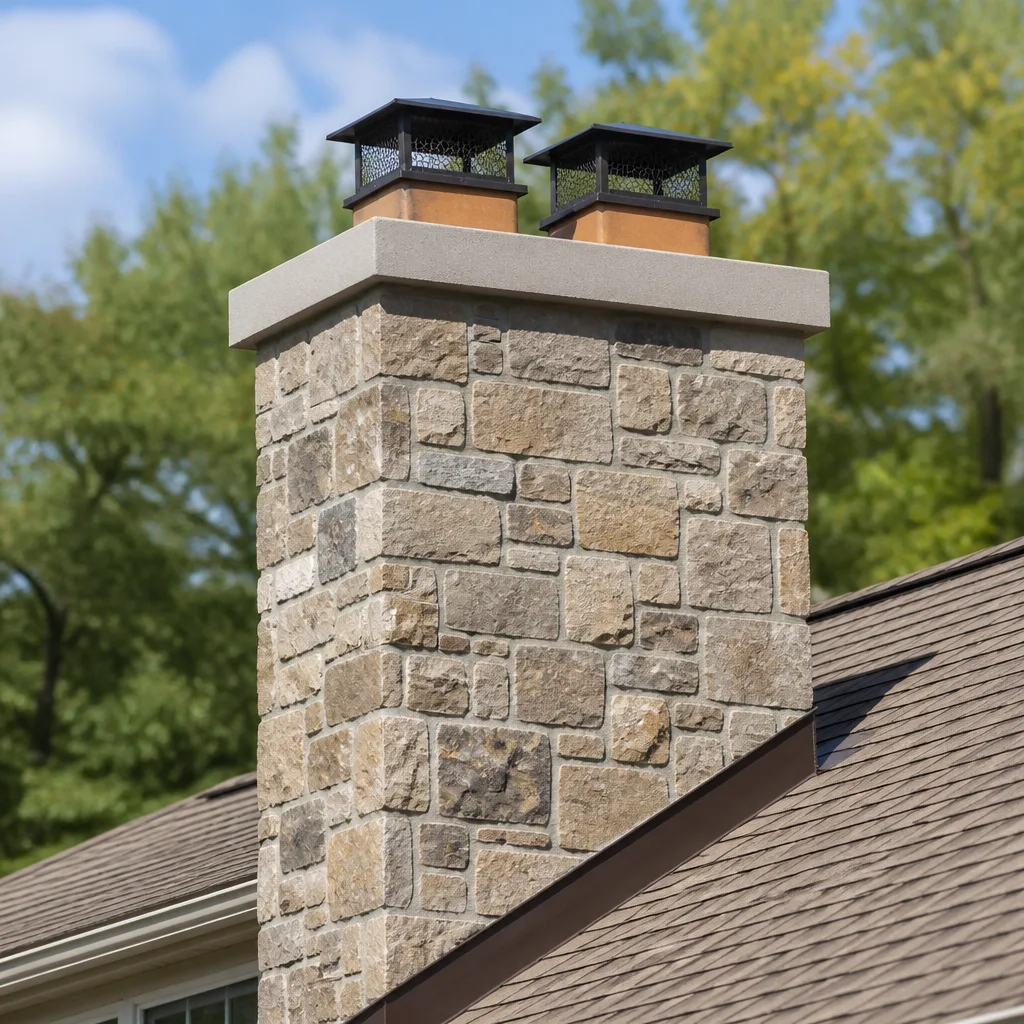
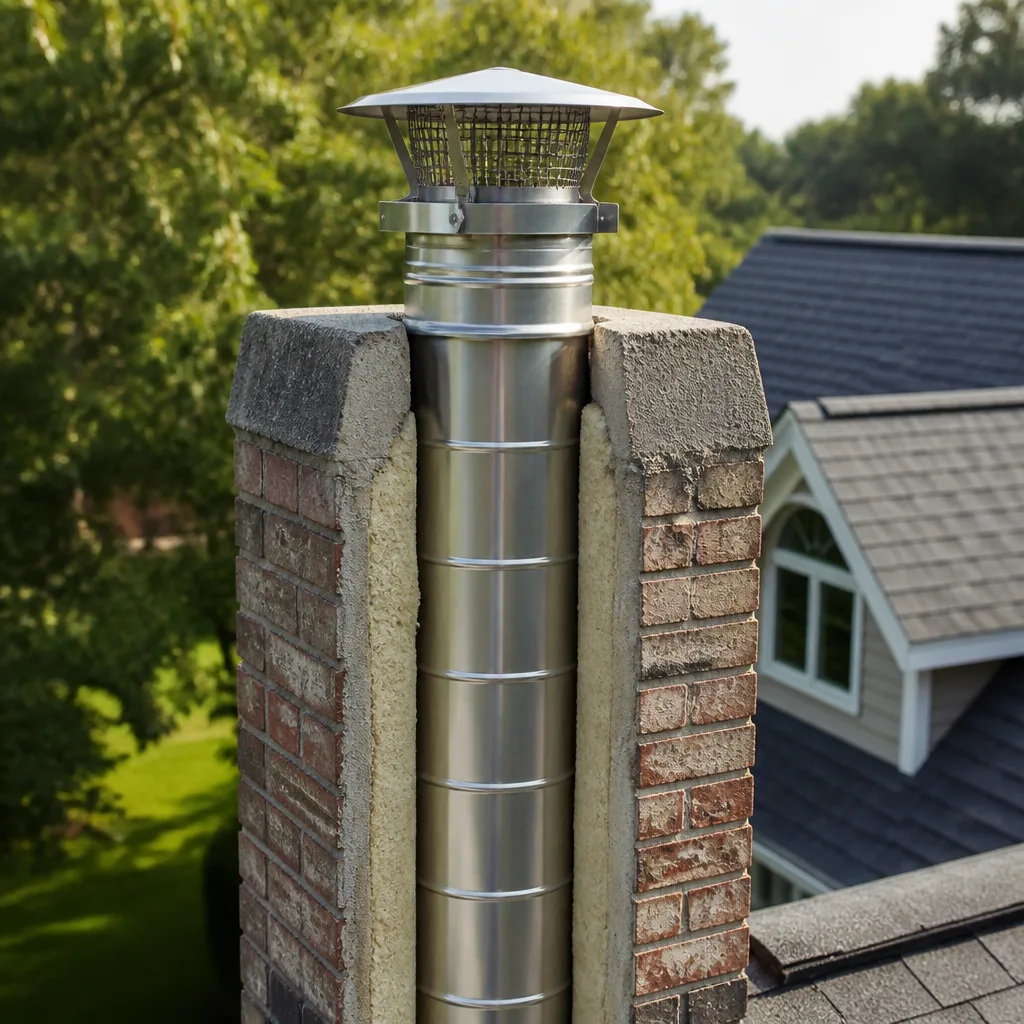
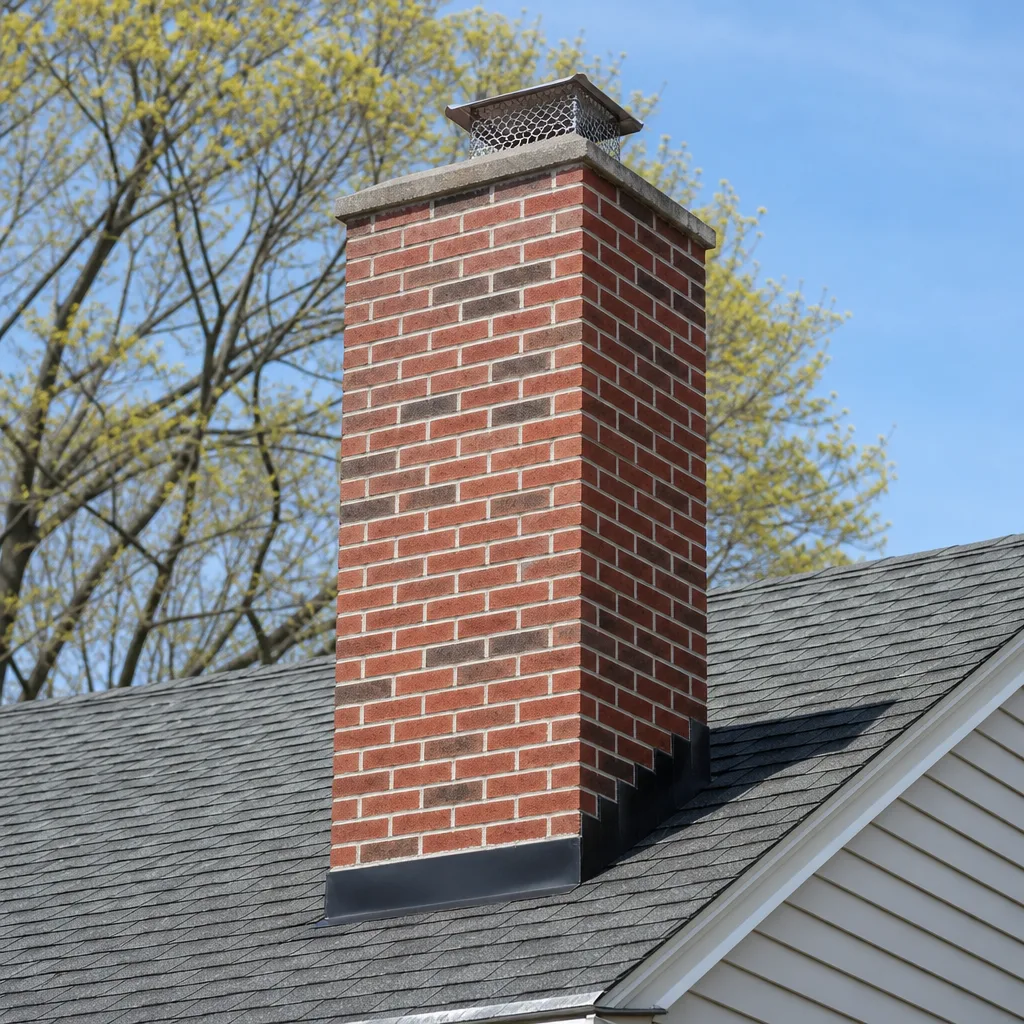
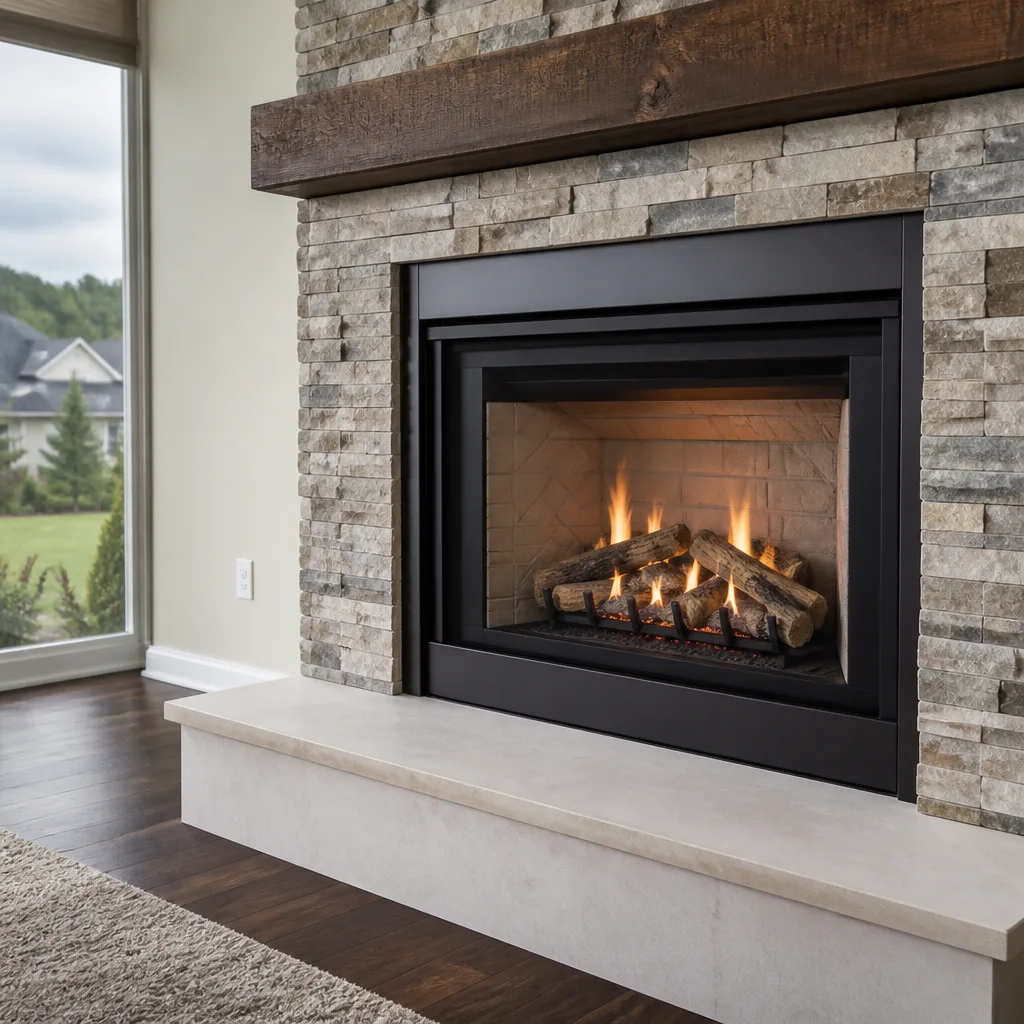
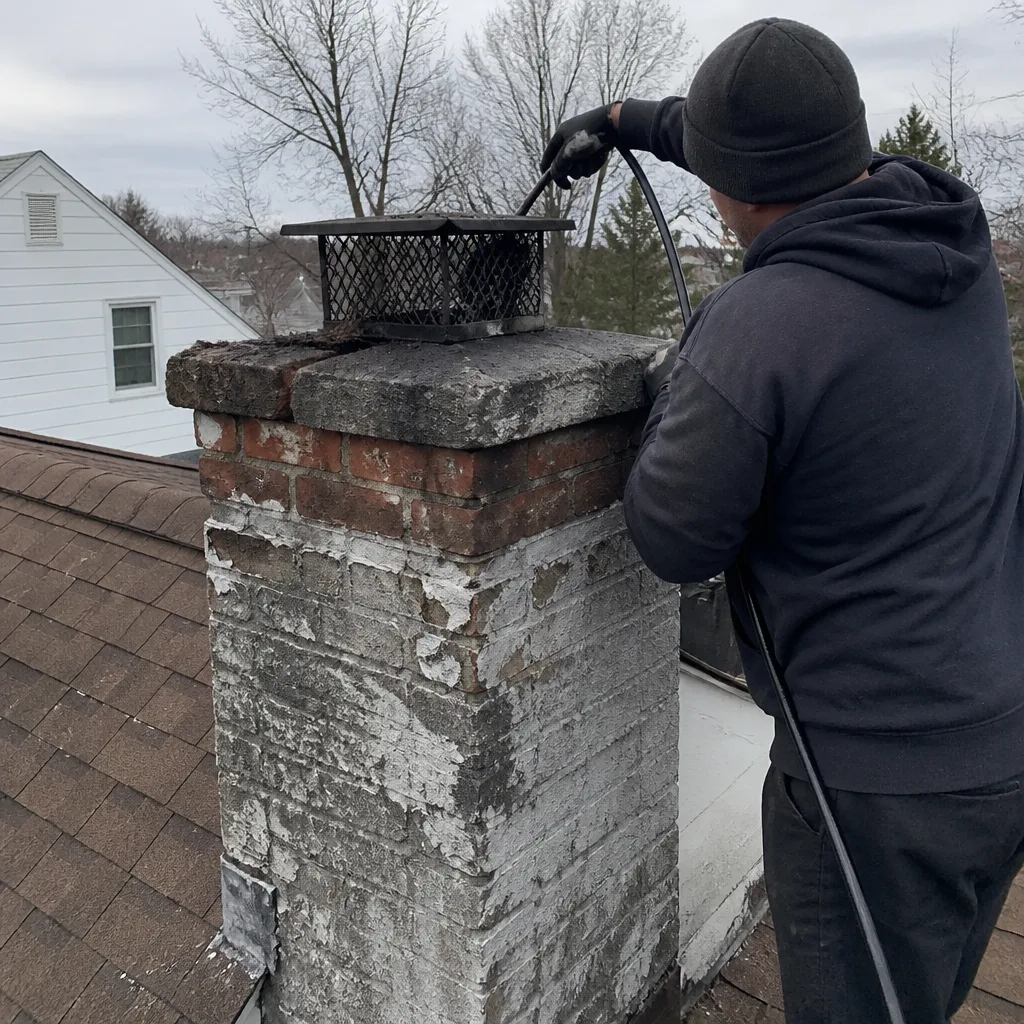 Before
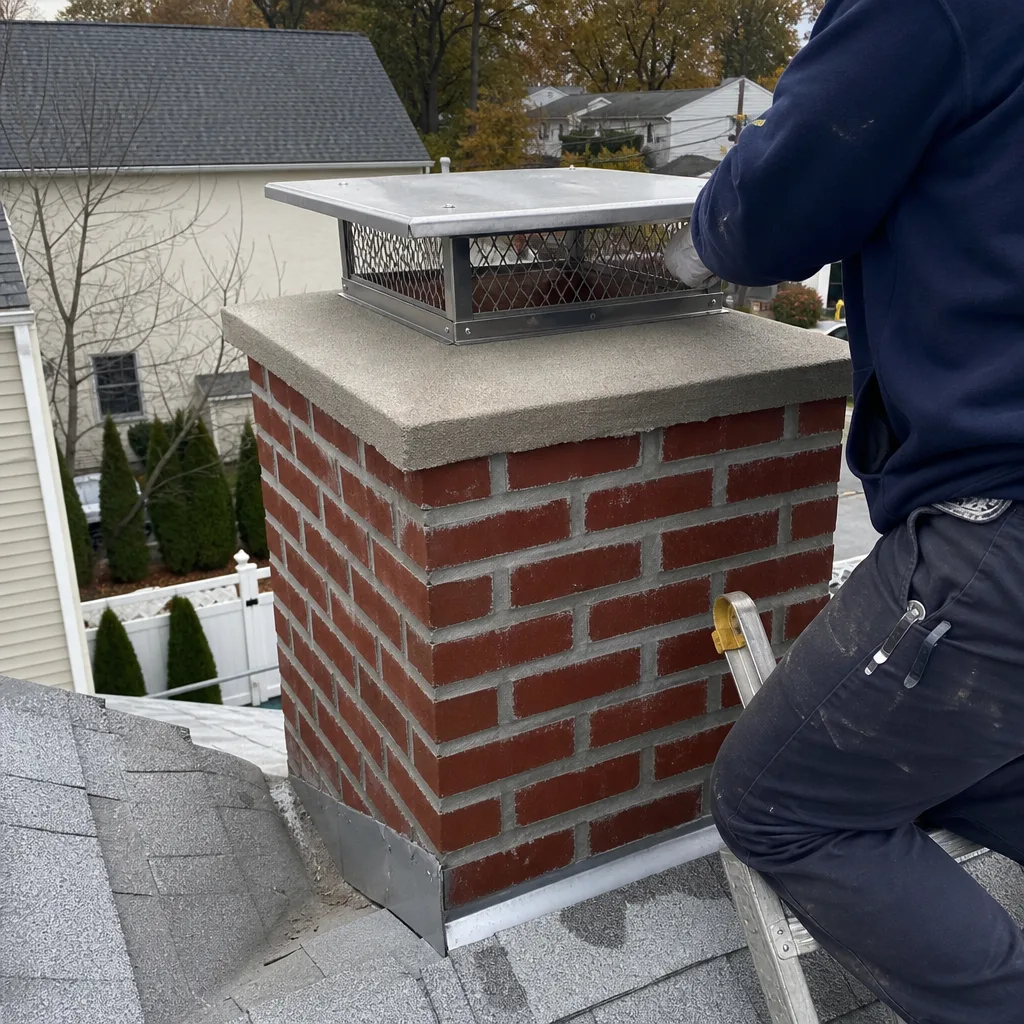 After
After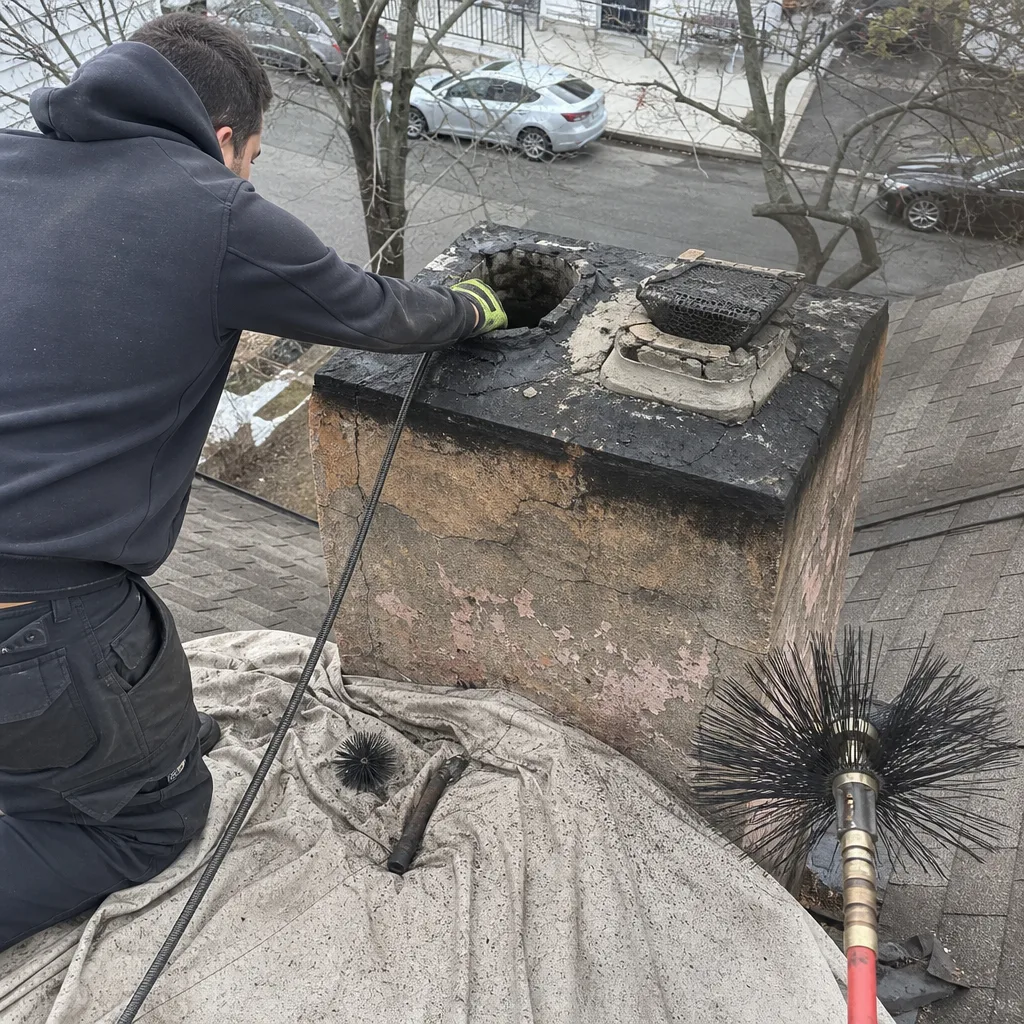 Before
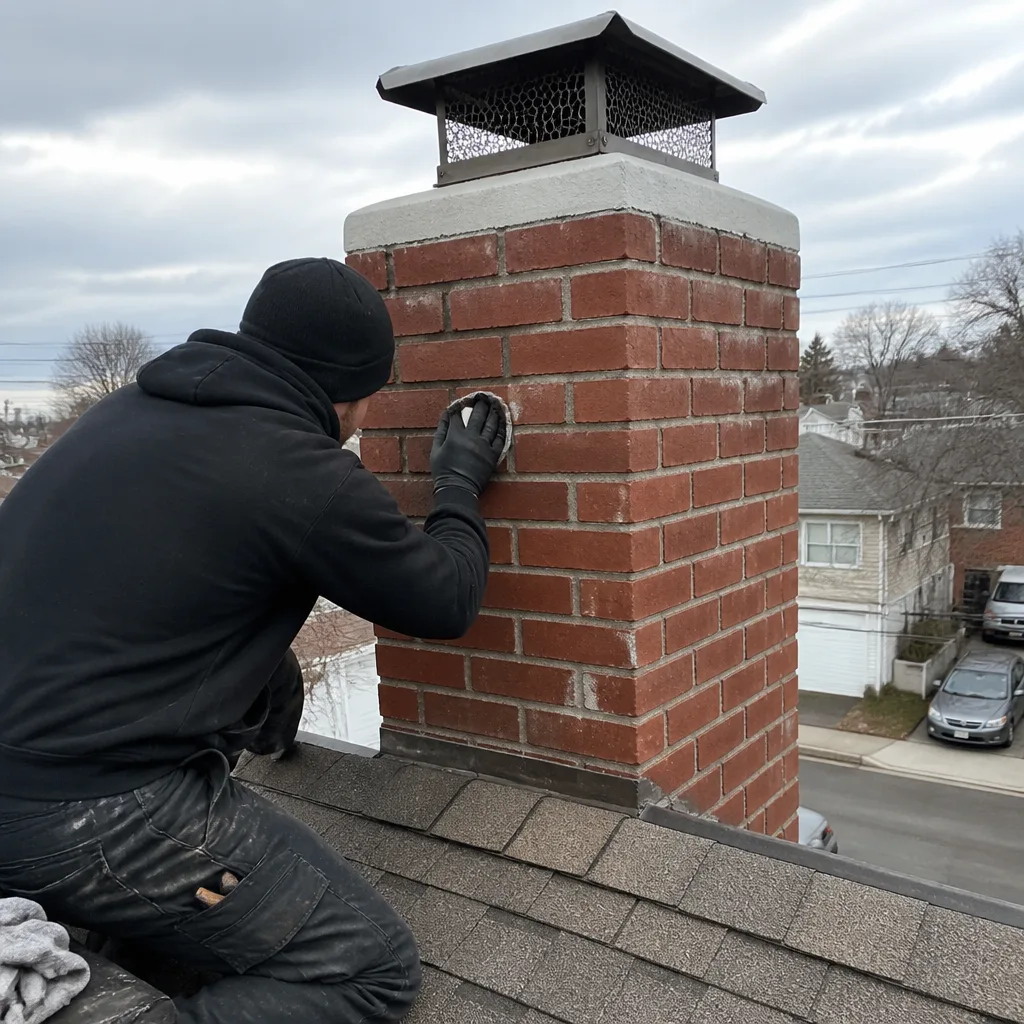 After
After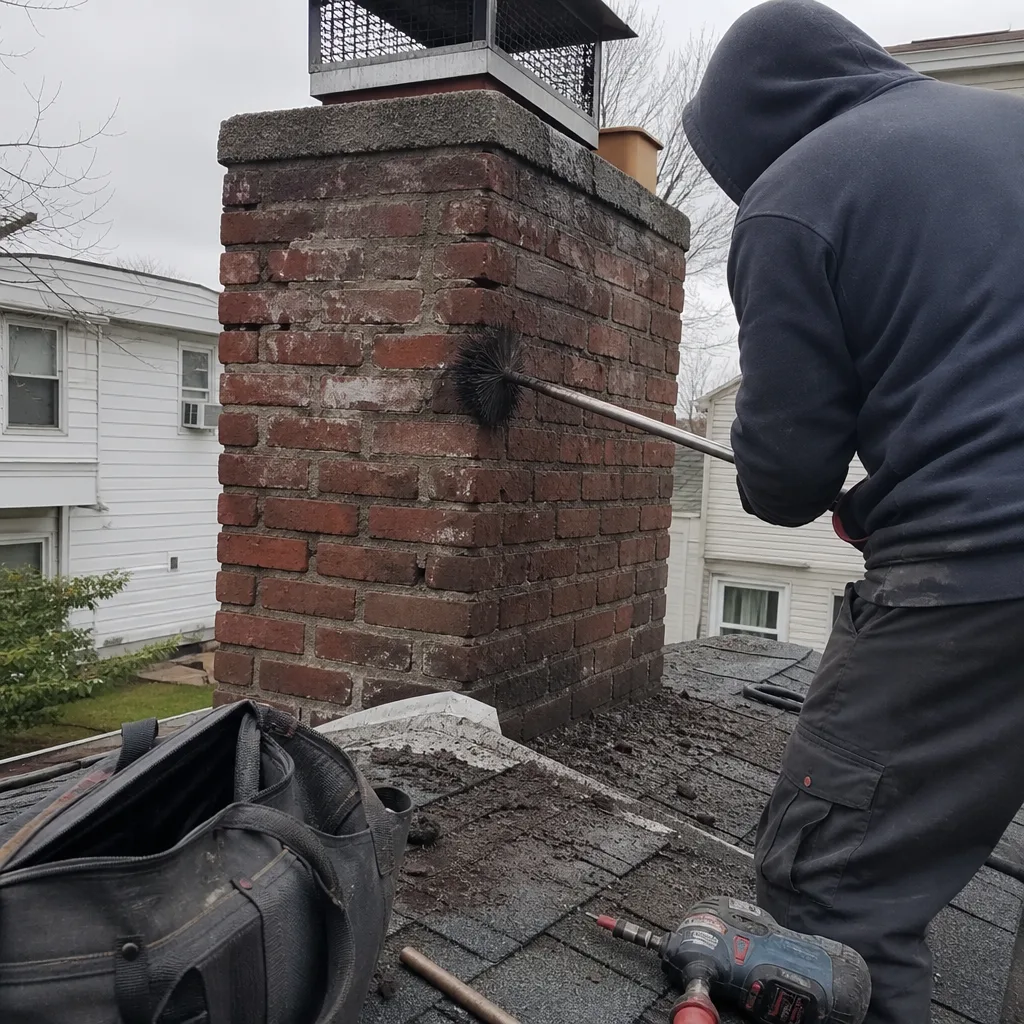 Before
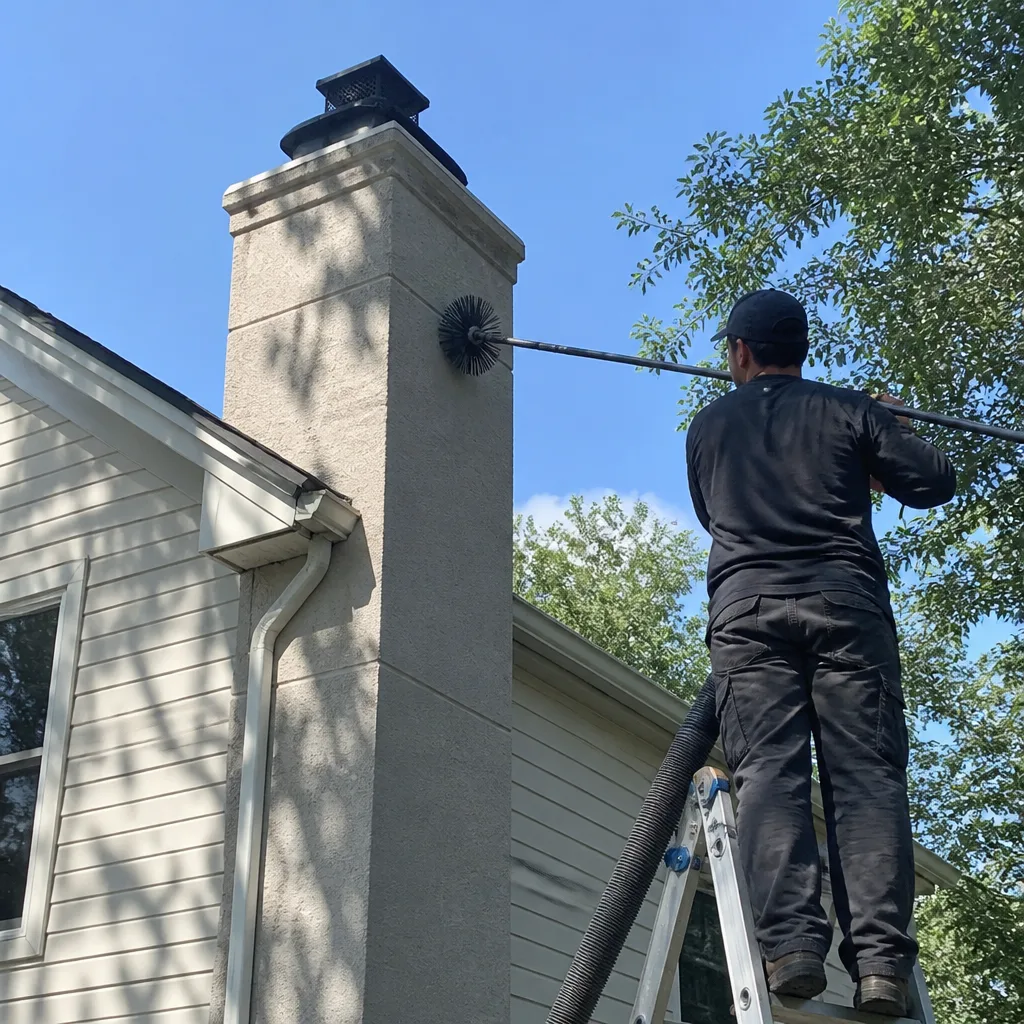 After
AfterChimney Cleaning Cost Breakdown: The Staten Island Homeowner’s Reference for 2026
The $99 chimney cleaning special circulates through Staten Island mailers every fall, and we’ve been watching it for over four decades. That price covers roughly 45 minutes of labor, no documentation, and almost always leads to a second conversation where the real costs emerge. In 2026, a legitimate chimney cleaning with proper containment, inspection, and disposal runs between $220 and $450 on Staten Island, depending on factors most homeowners never see itemized. This guide breaks down every line item that belongs on a real estimate, so you can tell the difference between scope and salesmanship before anyone sets foot on your roof. For more guides & resources, visit our blog.
Quick Answer
A standard chimney cleaning in Staten Island costs between $220 and $450 in 2026. A Level 2 camera inspection adds $180 to $320. Combined cleaning and inspection packages typically range from $350 to $650. The final price depends on chimney height, accessibility, liner type, years since last service, and creosote buildup severity.
Table of Contents
- What Legitimate Chimney Cleaning Actually Includes
- 2026 Price Ranges for Staten Island Homes
- What Drives Price Variation Between Jobs
- Necessary Add-Ons Versus Fabricated Upsells
- How to Read an Estimate Like a Professional
- Staten Island-Specific Cost Factors
- Common Mistakes to Avoid
- When to Call a Professional
- Frequently Asked Questions
What Legitimate Chimney Cleaning Actually Includes
A proper chimney cleaning is not a quick brush-and-go. It’s a sequence of steps, each with time and material costs that honest companies itemize and discount operations skip. Here’s what the work actually involves.
The Brush-and-Vacuum Sequence
The technician runs a rotary or poly brush from the firebox to the top of the flue, matching brush diameter to flue liner size. For a standard masonry chimney with a clay flue tile liner, this takes 60 to 90 minutes. Stainless steel liners, common in Staten Island homes built after 1990, require softer brushes to avoid scoring. Heavy glazed creosote, which we see regularly in Todt Hill and Emerson Hill homes where fireplaces see heavy winter use, may need chemical pretreatment that adds 30 to 45 minutes.
Vacuum containment runs continuously during brushing. A professional job uses a HEPA-filtered vacuum with a sealed hose path, not a shop vac. The filter and disposal bags are consumable costs, typically $15 to $25 per job.
Inspection Documentation
NFPA 211, the standard that governs chimney safety in New York State, requires a Level 1 visual inspection with every cleaning. A legitimate company documents this. At Hearthstone Chimney Co. home, our Level-2 camera inspections end with photos the homeowner can see and a plain-English verdict, documented like an engineer, explained like a craftsman. The camera system, the training to interpret what it shows, and the time to document findings properly, all carry cost.
Setup, Containment, and Disposal
Drop cloths seal the work area. Protective sheeting covers flooring and nearby furniture. Creosote debris is bagged and removed from the property, not vacuumed into your household trash. In Staten Island, where many homes have finished basements with the fireplace as a focal point, this containment step is not optional. A scuffed hearthstone or soot-stained carpet costs more to repair than the cleaning itself.
The complete scope: brushing, vacuuming, inspection, documentation, setup, breakdown, and disposal. Any estimate that omits one of these is selling an incomplete job.
2026 Price Ranges for Staten Island Homes
These are the numbers we see across the Staten Island market in 2026, drawn from our own pricing and what homeowners report from competitors. Use them as a reference point, not a guarantee.
| Service | Low Range | Typical Range | High Range |
|---|---|---|---|
| Standard chimney cleaning (single flue, routine maintenance) | $180 | $220-$320 | $380 |
| Cleaning with heavy creosote or glazed buildup | $280 | $320-$420 | $520 |
| Level 2 camera inspection (standalone) | $150 | $180-$280 | $350 |
| Cleaning + Level 2 inspection package | $320 | $380-$520 | $680 |
| Cleaning + minor crown/cap repair | $420 | $520-$780 | $1,100 |
| Cleaning + stainless steel liner evaluation | $520 | $650-$950 | $1,400 |
The $99 special sits below even the low range for a reason. It excludes inspection documentation, uses minimal containment, and budgets zero time for actual problem identification. The technician’s compensation depends on selling additional services during the visit. This is not speculation; we’ve hired technicians who previously worked for these operations and have described the model directly.
At the high end, prices reflect legitimate complexity. A three-story colonial in Annadale with a steep roof pitch, a stainless steel liner with offset bends, and fifteen years since last cleaning requires more time, more safety equipment, and more specialized tools than a ranch in New Dorp with a straight clay flue and annual service history.
What Drives Price Variation Between Jobs
Five factors account for nearly all price differences between otherwise similar chimney cleaning jobs on Staten Island. Understanding which apply to your home lets you evaluate estimates accurately.
1. Chimney Height and Roof Access
Staten Island’s zoning creates genuine variation here. A single-story bungalow in Great Kills with a low-pitch roof and clear driveway access is straightforward. A three-story Victorian in St. George with a 12/12 pitch, narrow side yard, and overhead power lines requires additional safety setup, possibly a second technician, and more time. The height factor alone can add $80 to $150.
2. Liner Type and Condition
Clay flue tiles, common in pre-1980 construction, clean relatively easily when intact. Cracked tiles require gentler handling and more careful documentation. Stainless steel liners, often installed during 1980s and 1990s heating system conversions, need specialized brushes to prevent scoring that creates corrosion points. We see premature liner failures in Port Richmond homes where improper brushing technique wore through thin-gauge steel. The liner type should be noted on every estimate; if it isn’t, the company may not have checked.
3. Years Since Last Cleaning
Annual cleaning maintains light, powdery soot that brushes away easily. Three to five years of accumulation produces flaky creosote that requires more aggressive brushing. Beyond five years, especially with regular wood burning, creosote hardens into a glazed, tar-like coating that chemical treatment and multiple passes remove. In our experience, homes in Woodrow and Huguenot with five-plus year gaps typically run 40 to 60 percent above base price.
4. Degree of Creosote Buildup
The Chimney Safety Institute of America classifies creosote in three stages. Stage 1: soot, easily removed. Stage 2: flaky deposits, moderate effort. Stage 3: glazed, hardened layer, requires chemical treatment and mechanical removal. Stage 3 buildup is a legitimate fire hazard and a legitimate cost driver. Any company that quotes a flat rate without inspecting first is either assuming Stage 1 (and will upsell later) or absorbing Stage 3 cost into an inflated base price.
5. Accessibility from the Interior
Some Staten Island homes, particularly 1920s and 1930s construction in Westerleigh and Castleton Corners, have fireplaces with unusually small fireboxes or offset flue openings. These configurations require specialized rods and more technician time. A standard estimate assumes normal access; unusual configurations should be noted and priced accordingly.
Factors that should not affect price: your neighborhood’s general income level, the age of your home by itself, or whether you “look like” someone who will pay more. These are not legitimate pricing inputs, though they influence some operators’ quotes.
Necessary Add-Ons Versus Fabricated Upsells
The moment of truth in any chimney cleaning visit is the add-on conversation. Some additional services are genuinely necessary when specific conditions exist. Others are routinely recommended whether conditions exist or not. Here’s how to distinguish them.
Three Add-Ons That Are Genuinely Necessary When Found
- Chimney cap replacement when missing or severely deteriorated. A proper cap with mesh sides prevents water intrusion, animal entry, and debris accumulation. On Staten Island, where nor’easters drive rain horizontally and squirrel populations are dense, an absent cap is not a minor issue. A quality cap from Famco or Copperfield, properly sized and installed, runs $280 to $450 including installation. The fabricated version: recommending cap replacement when the existing cap is functional but “ugly.”
- Crown repair when cracking has reached the flue tile edge. The concrete crown sheds water away from the flue. Hairline surface cracks are normal; cracks that reach the flue opening allow water directly into the chimney structure. In freeze-thaw climates like Staten Island’s, this water expands, accelerates deterioration, and leads to rebuilds that cost ten times more than crown repair. HeatShield crown coating, applied by trained technicians, addresses this at $450 to $780 depending on crown size and access. The fabricated version: sealing every hairline crack on a crown that is otherwise sound.
- Stainless steel liner installation when clay tiles are cracked, shifted, or missing. A compromised flue liner allows heat, sparks, and combustion gases to reach combustible framing. This is not a hypothetical risk; chimney fires in Staten Island occur annually, and compromised liners are a contributing factor in most we investigate. A DuraFlex stainless steel liner, properly sized and insulated, is a significant investment ($2,800 to $5,500 typically), but it is the correct solution when clay tiles are failed. The fabricated version: recommending liner replacement based on “suspected” damage that the technician cannot show you.
Three Commonly Fabricated Upsells
- “Your chimney needs waterproofing.” Masonry chimneys benefit from breathable water repellent in specific circumstances, but it is rarely urgent and never required immediately after a cleaning. The hard sell version involves showing you a darkened area of brick and calling it “water damage” when it is simply normal weathering. A legitimate evaluation considers the full exposure, drainage, and flashing condition before recommending treatment.
- “The flue is too small for your furnace.” Sizing complaints are common upsells after gas furnace inspections. New York State code governs proper venting, but a cleaning visit is not the appropriate time for a full heating system evaluation. If sizing is genuinely wrong, the issue predates your ownership and requires engineering analysis, not a same-day liner sale. Ask for the specific code section cited and a written referral to a heating contractor.
- “You need a full rebuild; this is unsafe to use.” Rebuilds are necessary for structurally failed chimneys. They are also the highest-ticket item in the industry. A legitimate unsafe finding comes with specific documentation: photos of missing bricks, visible mortar gaps, or leaning. Vague language like “it’s getting there” or “I’ve seen worse fail” without specific evidence is a sales tactic, not a safety finding. At Hearthstone, nothing is recommended without camera evidence you can see for yourself, and we say plainly when work can safely wait.
How to Read an Estimate Like a Professional
A written estimate is a contract outline, not a formality. The specific line items it contains tell you whether you’re buying a complete service or a partial one with surprises to follow. Here’s what belongs on any legitimate chimney cleaning invoice, and what each item should specify.
Required Line Items
- Chimney cleaning, single flue: Should specify brushing method (rotary, manual, or hybrid), vacuum type (HEPA required), and whether the firebox and smoke chamber are included. “Chimney sweep” without specification often excludes the smoke chamber, where significant creosote accumulates.
- Level 1 or Level 2 inspection: Should reference NFPA 211 compliance and specify documentation type (written report, photos, or both). A cleaning without documented inspection is incomplete.
- Setup and containment: Should note drop cloths, area sealing, and furniture protection. Omission suggests minimal protection.
- Debris disposal: Should specify off-site removal, not “cleaned to customer’s trash.”
- Technician certification: CSIA certification or equivalent should be noted. In New York, no state license specifically governs chimney sweeps, but company insurance and technician background checks are verifiable credentials.
Red Flags in Estimate Language
Watch for these patterns:
- “Chimney sweep special” with no inspection specified. This is not a complete service.
- Flat rates that do not ask about chimney height, liner type, or years since cleaning. These are loss-leader prices with upsell dependency.
- Verbal estimates with “we’ll figure it out when we get there.” Scope should be defined before work begins.
- Pressure to decide immediately. A legitimate safety finding justifies prompt action, but you should have time to review any estimate over $500.
At Chimney Cleaning & Sweep in Staten Island, we provide no-hassle upfront pricing. The number on the estimate is the number on the invoice. No surprises on the bill.
Staten Island-Specific Cost Factors
Local conditions affect chimney maintenance costs in ways that generic national guides miss. Staten Island’s particular combination of coastal climate, housing stock, and regulatory environment creates specific considerations.
Coastal Climate and Freeze-Thaw Cycling
Staten Island’s position in New York Harbor exposes chimneys to salt-laden air, higher humidity, and more rapid temperature swings than inland locations. Brick and mortar absorb moisture; freeze-thaw cycles expand that moisture and crack the masonry. We’ve found accelerated crown deterioration in homes within a mile of the water, particularly in neighborhoods like Tottenville, Great Kills, and South Beach. This does not automatically mean higher cleaning costs, but it means inspection documentation is more critical, and minor crown issues become major faster.
Housing Stock Variation
Staten Island’s development spans nearly four centuries. A 1720s farmhouse in Richmond Town, a 1950s Cape Cod in Willowbrook, and a 2005 townhouse in New Springville present entirely different chimney configurations. Older homes often have unlined chimneys or multiple flues serving original coal conversions. Post-war construction frequently has clay tile liners sized for oil furnaces later converted to gas. Newer construction may have factory-built metal chimneys with specific manufacturer maintenance requirements. A company that quotes without asking your home’s age and heating fuel type is guessing.
Local Permit and Code Context
New York City building code governs chimney work in Staten Island, with specific requirements for liner installations, structural modifications, and exterior alterations visible from the street. Permits are required for liner replacements and rebuilds, not for routine cleaning. A company that performs liner work without permits exposes the homeowner to liability and potential sale complications. We handle permit filing as standard on all liner and rebuild projects; it’s part of doing the job correctly.
Seasonal Demand Patterns
Staten Island’s heating season runs reliably from October through April, with peak demand in the four weeks before Thanksgiving. Scheduling cleaning in September or early October typically offers more flexible appointment availability and avoids the rush pricing some operators implement. That said, we do not surcharge for peak season. A square deal: no surprises on the bill, regardless of when you call.
Common Mistakes to Avoid
- Comparing only the headline price. A $220 cleaning with full documentation and a $99 special with neither are not comparable services. Calculate cost per component, not total cost alone.
- Skipping the inspection to save money. The inspection is where dangerous conditions are identified. A cleaning without inspection is like a dental cleaning without X-rays: the surface looks handled, underlying problems progress unseen.
- Accepting verbal findings without photo documentation. In our experience, homeowners who cannot see what the technician describes are vulnerable to inflated repair recommendations. Photos you can see, a plain-English verdict. If they won’t show you, don’t buy.
- Hiring based on lowest quote for complex work. Liner installation and rebuilds require specialized skills and proper materials. We’ve corrected failed liner installations in Mariners Harbor and Arden Heights where budget operators used improper gauge steel or omitted required insulation. The correction cost more than original professional installation.
- Ignoring the smoke chamber. The smoke chamber, the area above the damper and below the flue, accumulates creosote and is a common fire origin point. Some low-priced cleanings exclude this area. Confirm it is included.
- Waiting for visible problems. By the time you see staining on interior walls or smell smoke in the house, damage has progressed beyond the chimney. Annual cleaning catches conditions before they become symptoms.
- Failing to verify insurance. Any technician on your roof should carry general liability and workers’ compensation. Ask for a certificate. Uninsured workers who are injured on your property can create liability that your homeowner’s policy may not fully cover.
When to Call a Professional
Certain conditions warrant prompt professional evaluation, not scheduling convenience. Call for immediate assessment if you notice smoke entering the room during fireplace use, visible cracks in interior flue tiles, pieces of tile or brick in the firebox, a strong odor of creosote during humid weather, or any evidence of animal nesting. These indicate active safety concerns, not deferred maintenance.
For routine cleaning, the standard recommendation is annual service for wood-burning systems and every two to three years for gas systems with proper drafting. In Staten Island’s climate, with our freeze-thaw exposure and coastal humidity, we lean toward the more frequent end of these ranges.
Chimney Repair in Staten Island requires evaluation when structural issues are suspected. Fireplace Services in Staten Island covers installation, conversion, and restoration work. For any chimney concern, Hearthstone Chimney Co. offers free estimates in Staten Island. Call (516) 613-3035. A live person answers every call, 24 hours a day, 7 days a week. No voicemail, no callback queue.
Frequently Asked Questions
A standard chimney cleaning in Staten Island costs between $220 and $450 in 2026, with most homeowners paying in the $260 to $320 range for routine maintenance on a single-flue system. Heavy creosote, difficult roof access, or stainless steel liner configurations push costs toward the higher end. Call (516) 613-3035 for an exact quote - estimates are free.
You need a new liner only when the existing liner is compromised: cracked or missing clay tiles, corroded or separated stainless steel, or an unlined chimney serving a modern appliance. A functional liner does not require replacement based on age alone. We document liner condition with camera photos you can see, and we say plainly when replacement can wait. Call (516) 613-3035 for a free evaluation - no pressure, just the facts.
Wood-burning fireplaces and stoves should be swept annually, preferably in early fall before the heating season begins. Gas systems with proper drafting typically need cleaning every two to three years. Staten Island’s coastal climate, with higher humidity and salt air exposure, can accelerate creosote accumulation and masonry deterioration, so we recommend erring toward more frequent service rather than less. Annual inspection is prudent even when cleaning is not yet required.
Skipped cleaning allows creosote to accumulate, increasing fire risk and reducing draft efficiency. In severe cases, restricted airflow causes smoke backup into the home and carbon monoxide exposure. Masonry damage from moisture and freeze-thaw cycling progresses unseen. The cost of deferred maintenance typically exceeds the cost of regular service by a significant margin. Chimney fires in Staten Island are not rare; we’ve responded to them in every neighborhood we serve.
The $99 price almost always excludes inspection documentation, uses minimal containment, and budgets insufficient time for thorough work. The technician’s compensation depends on selling additional services during the visit. The $350 price includes complete brushing, HEPA vacuum containment, documented inspection with photos, proper setup and breakdown, and off-site debris disposal. These are different services with different scopes, not the same service at different margins. Compare line items, not headlines.
A legitimate estimate specifies the brushing method, vacuum type, whether smoke chamber cleaning is included, the inspection level and documentation format, setup and containment measures, debris disposal method, and technician certification. It should also note any factors that could adjust price: chimney height, roof access difficulty, liner type, or suspected creosote level. Vague language like “chimney sweep” without specification indicates incomplete scope.
New York City building code governs all chimney work in Staten Island. Permits are required for liner installations, structural modifications, and exterior alterations visible from the street. Routine cleaning does not require permitting. Liner and rebuild work performed without proper permits can create liability issues during home sales and may void insurance coverage. We file all required permits as standard on qualifying projects.
The Bottom Line
Chimney cleaning costs on Staten Island range from $220 to $450 for legitimate service in 2026, with variation driven by measurable factors: height, access, liner type, years since cleaning, and creosote condition. The $99 special is not a bargain; it’s a different product entirely, one that externalizes costs into upsell pressure and incomplete work. Evaluate estimates by their line-item specificity, not their headline price. Demand photo documentation for any recommended repair. Verify insurance and certification. And schedule service before the October rush, when appointment availability tightens and the temptation to skip steps increases.
Done right - and we stand behind it. That’s the Keystone Standard we’ve operated under since 1984.
Written by Russell Haines, Owner at Hearthstone Chimney Co., serving Staten Island since 2014.