
Level 1 sweep and inspection to the NFPA 211 annual standard - flue, crown, cap, and flashing checked and photographed
Chimney sweep logs do not sweep chimneys. They loosen some creosote - which then falls where a brush and vacuum still have to collect it.
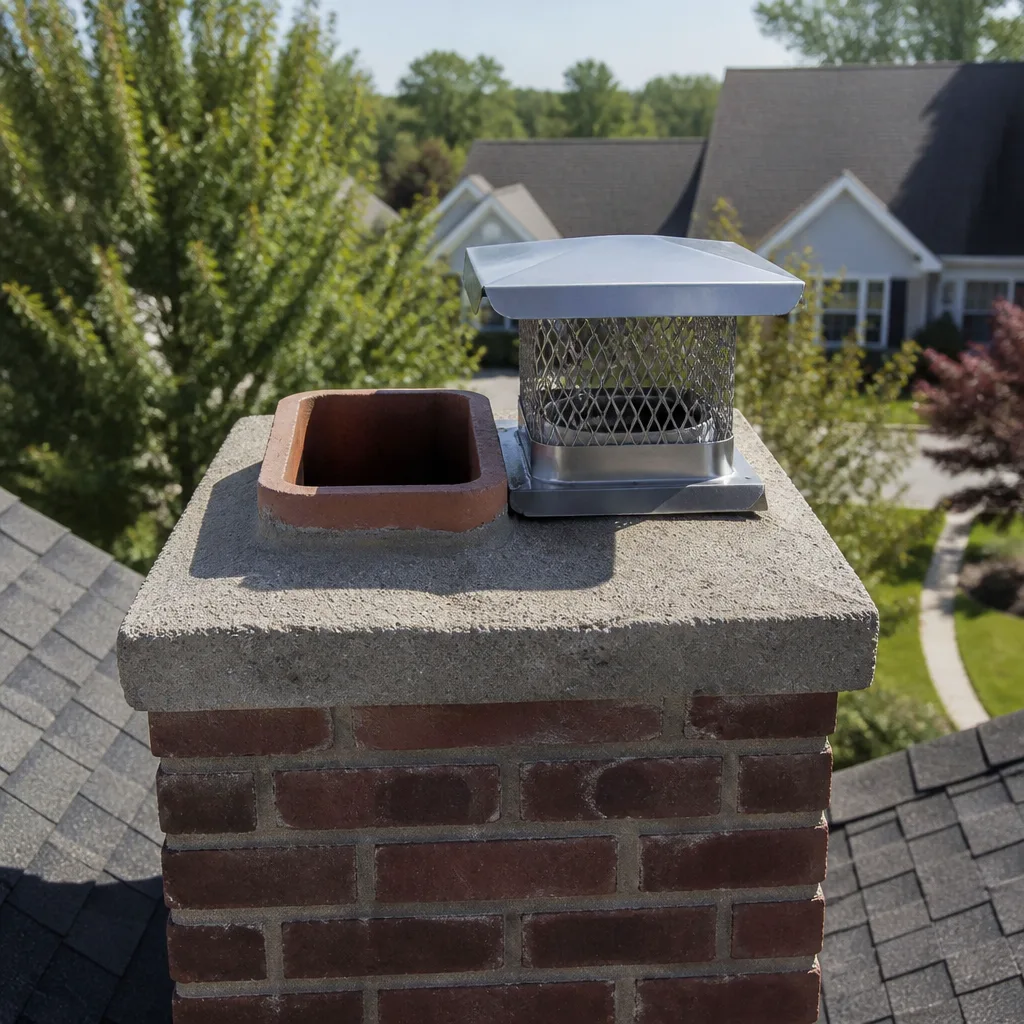
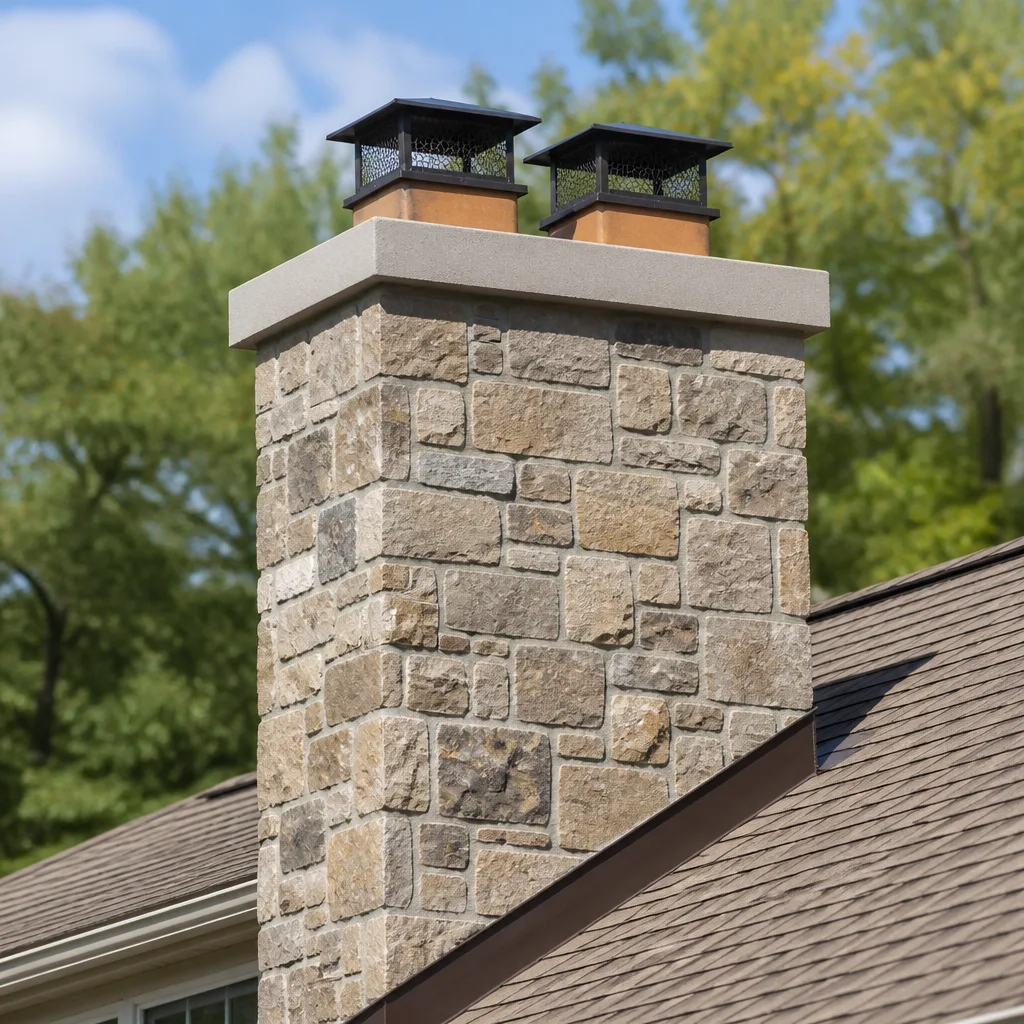
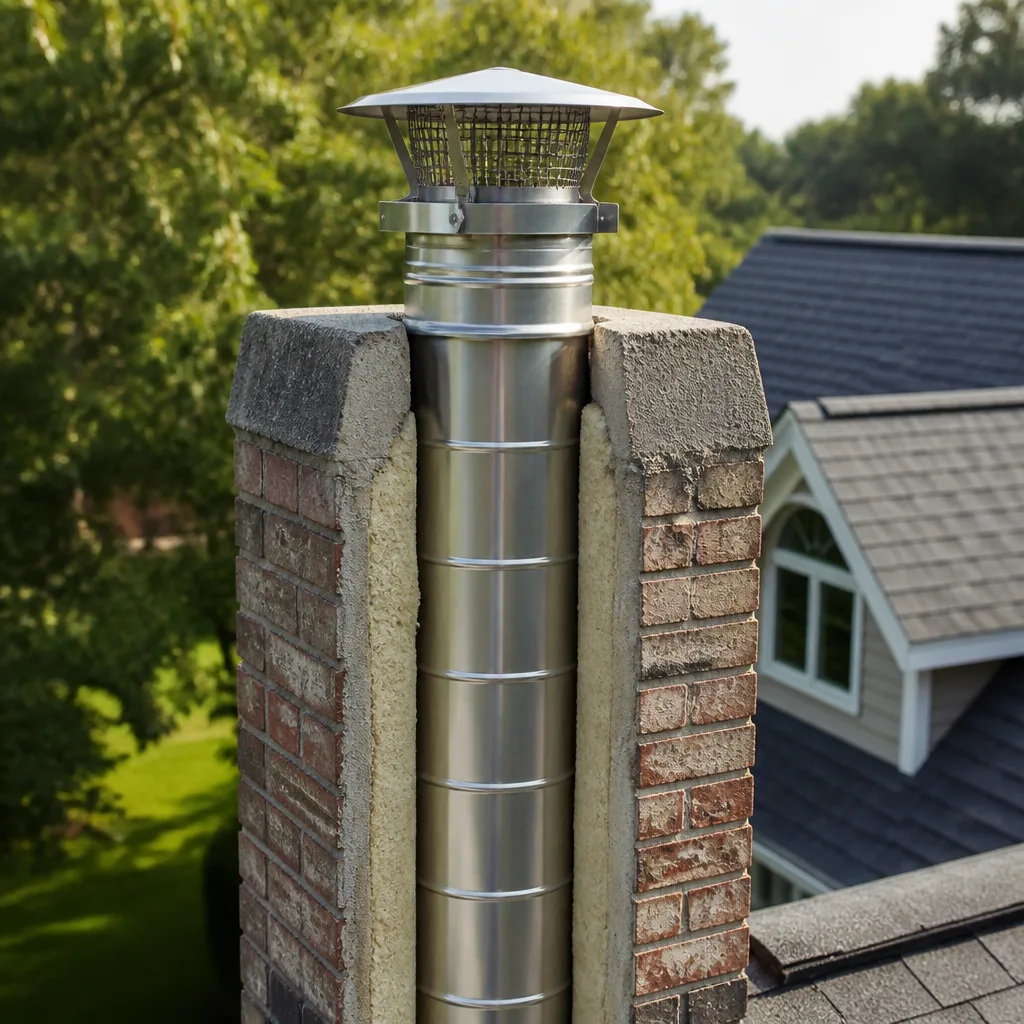
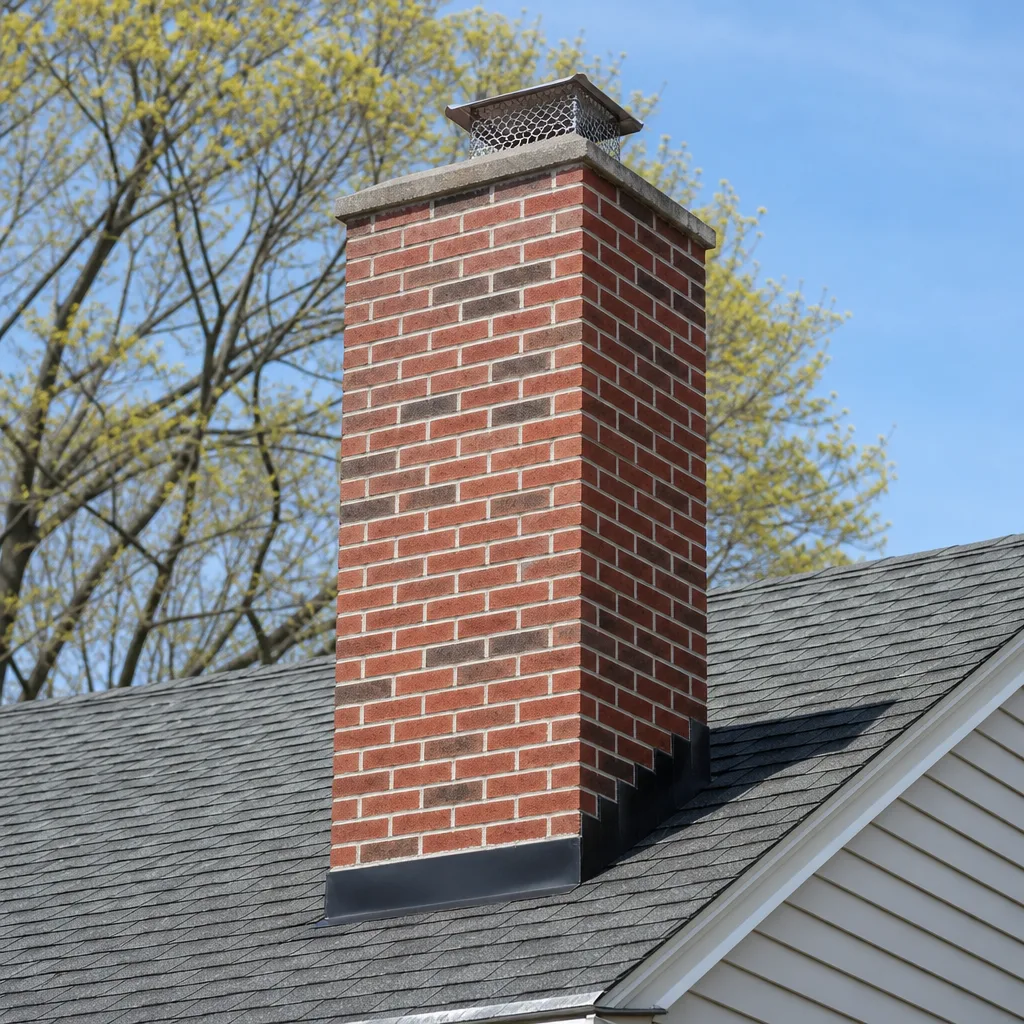
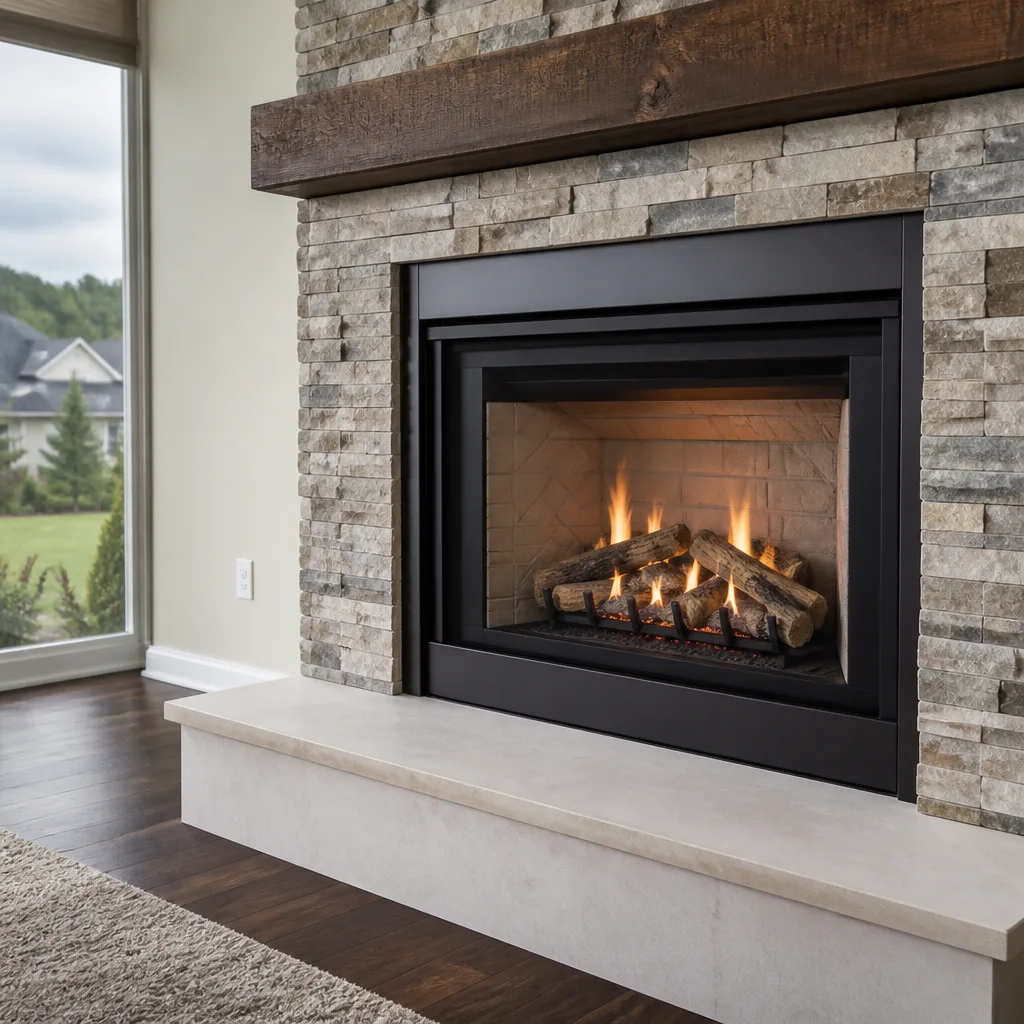
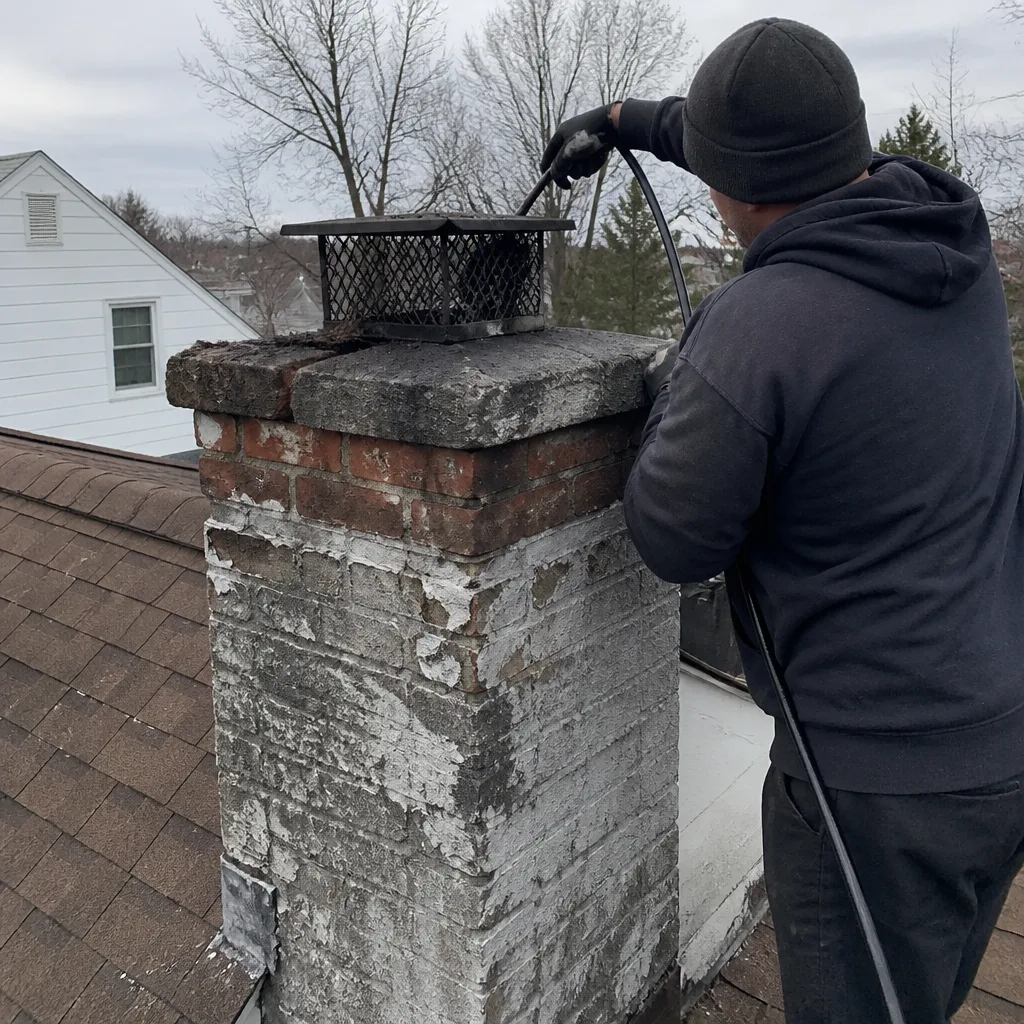 Before
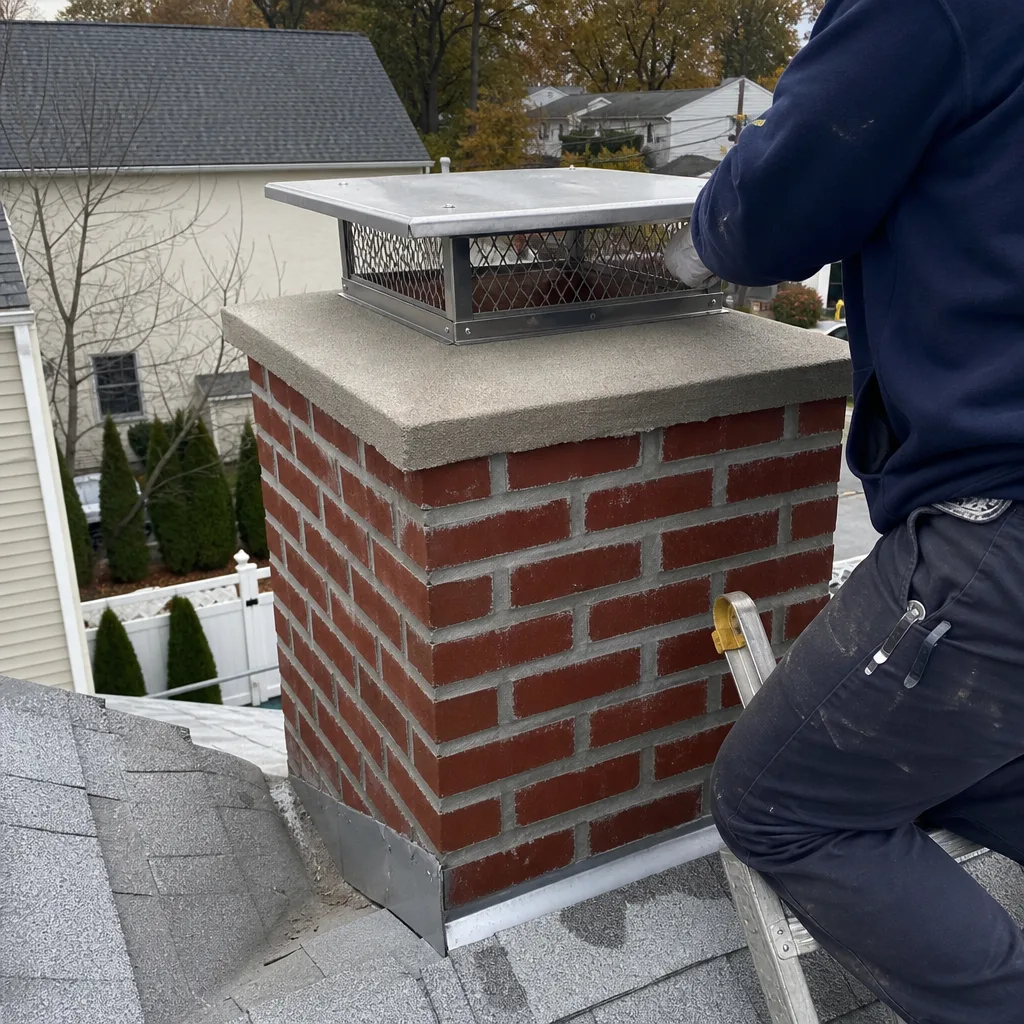 After
After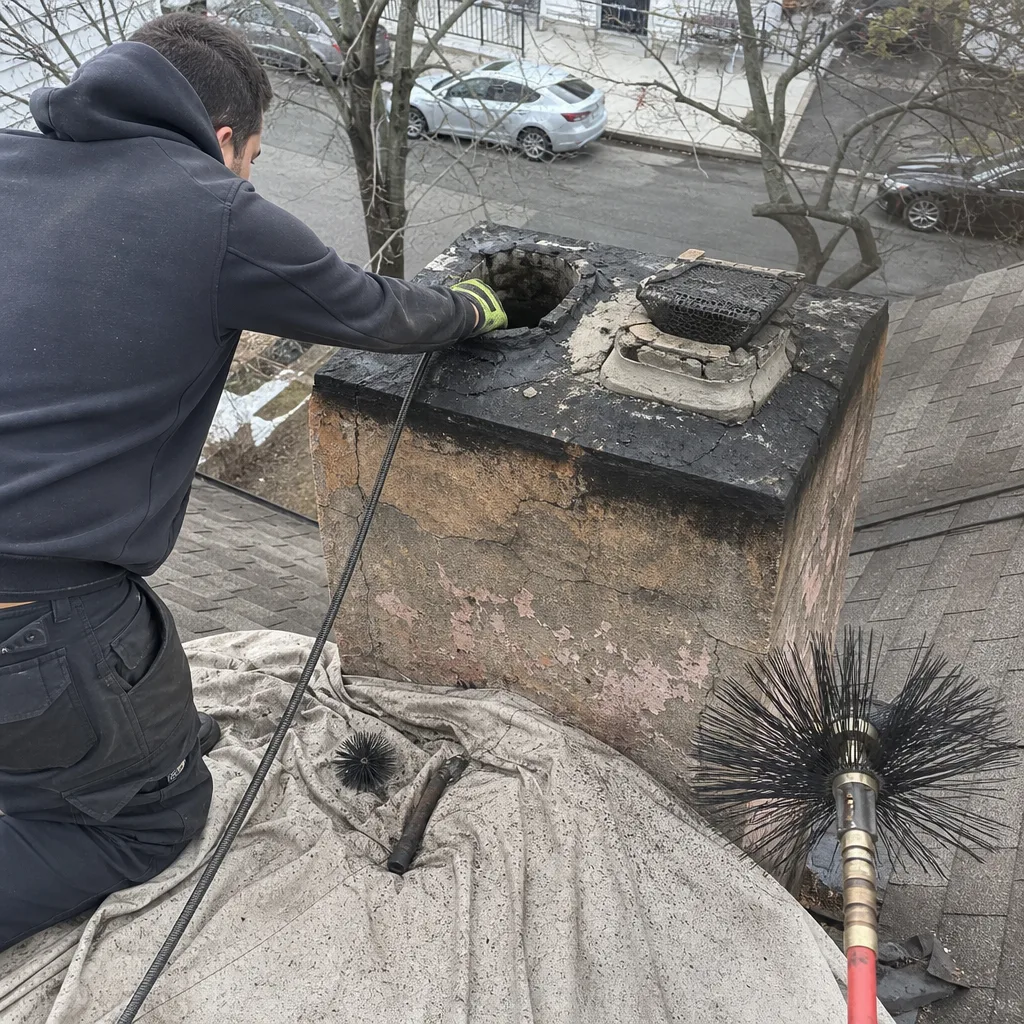 Before
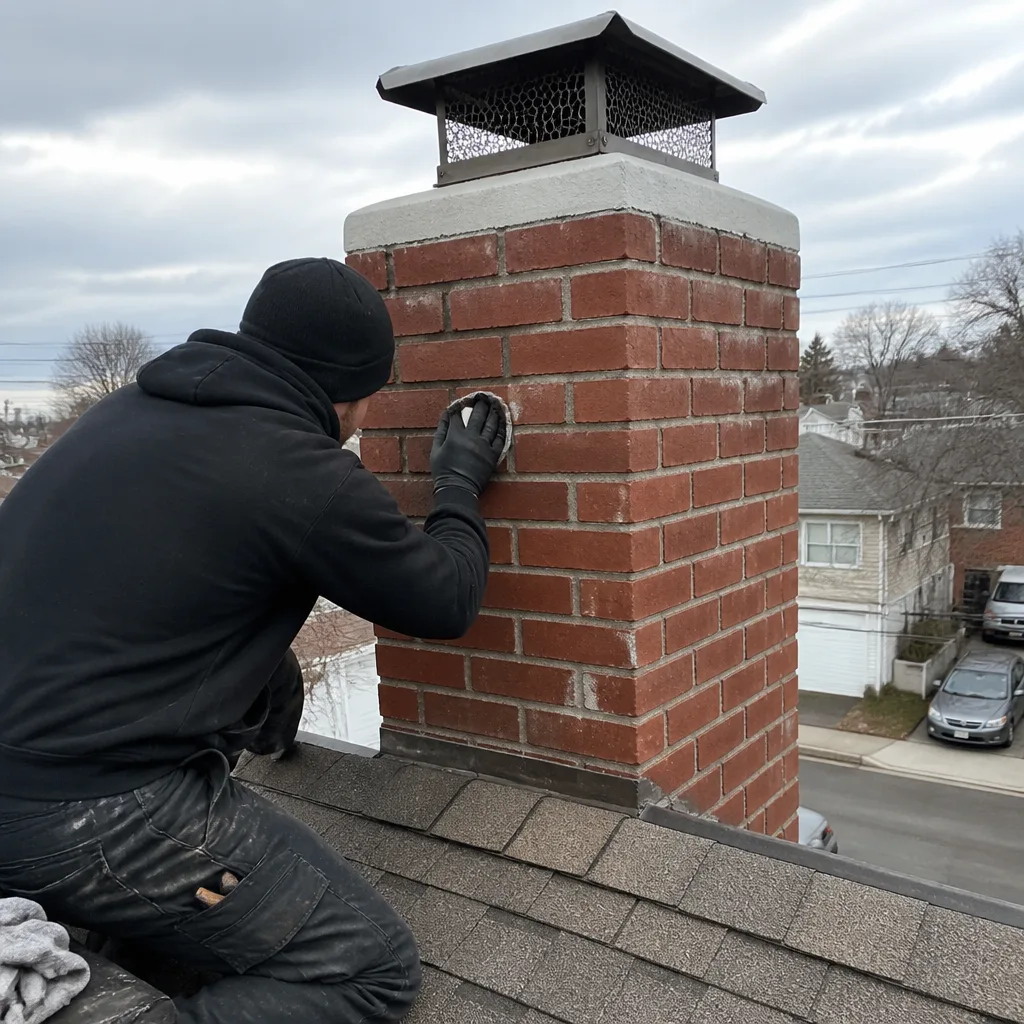 After
After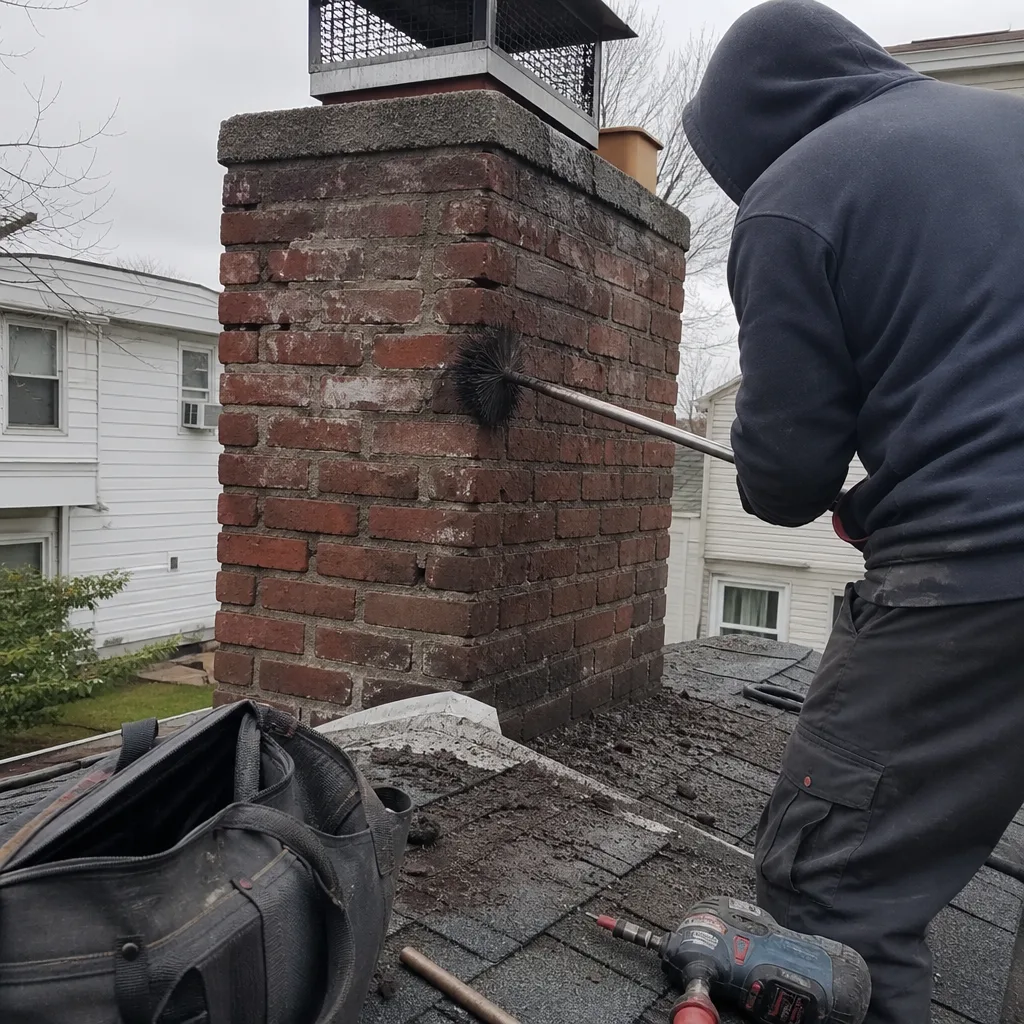 Before
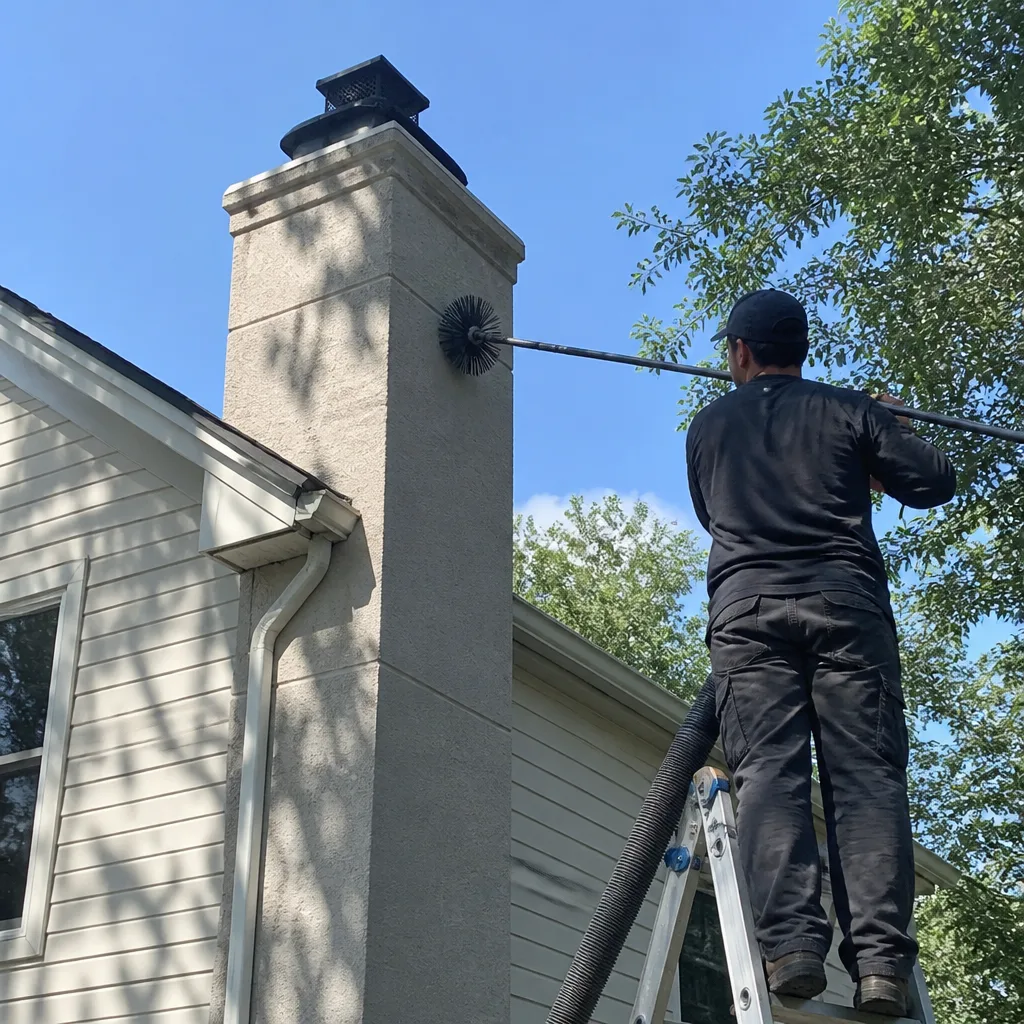 After
AfterFireplace Cleaning in Staten Island, NY
Fireplace cleaning in Staten Island typically covers the firebox, smoke chamber, and damper assembly – removing creosote buildup, ash deposits, and debris that accumulate with regular use. Most appointments take two to three hours and can be scheduled the same week. If your fireplace has been burning wood through a Staten Island winter, it needs to be cleaned before you light it again.
At Hearthstone Chimney Co., fireplace cleaning is part of a complete approach to chimney health – not a standalone scrub and go. Russell Haines and our crew have been doing this work on Staten Island homes since 1984, and we’ve learned that the firebox tells you a lot about what’s happening higher up the flue. That’s why every cleaning includes a visual inspection and, when the situation calls for it, a Level-2 camera pass so you can see exactly what we saw. Photos you can see. A plain-English verdict. No guesswork.
Our fireplace cleaning service connects directly to our broader Chimney Cleaning & Sweep in Staten Island work – because a clean firebox paired with a dirty flue isn’t actually clean. We treat the system as one unit, which is the only honest way to do it.
Call us at (516) 613-3035 – a live person picks up every hour of every day, no voicemail, no callback queue.
When You Need Fireplace Cleaning
Some homeowners aren’t sure whether their fireplace is due for a cleaning or whether last year’s service is still holding up. Here are the situations where you genuinely shouldn’t wait.
- You burned wood regularly last winter. The National Fire Protection Association recommends annual inspection and cleaning for any fireplace in active use. On Staten Island, where nor’easters push people to burn heavier loads in January and February, one season of regular use is enough to accumulate meaningful creosote.
- You’re smelling smoke in the house when the fireplace is closed. That odor during warm, humid Staten Island summers is a sign that creosote and residue inside the firebox or smoke chamber are off-gassing. It’s unpleasant and it’s telling you something.
- You’ve noticed black, oily staining above the firebox opening. A correctly drafting fireplace doesn’t push soot out into the room. Staining around the lintel usually points to a draft problem, a blocked damper, or heavy stage-three creosote buildup that’s restricting airflow.
- You bought a home in New Springville, Great Kills, or anywhere else on the Island and don’t have records of the last service. A previous owner’s maintenance habits are unknown. We’ve opened fireboxes in Tottenville that hadn’t been touched in a decade. A cleaning and inspection before you light the first fire is money well spent.
- Your damper is stiff, won’t seal fully, or makes a grinding sound. Ash and debris pack into damper mechanisms over time. What feels like a hardware problem is often just a firebox that needs a proper clean-out.
- It’s been more than twelve months since your last service. Even a fireplace used only a handful of times per season accumulates debris. Leaves, animal nesting material, and small amounts of creosote still create risk.
Our Fireplace Cleaning Process
We don’t show up with a shop vac and call it done. Here’s what a Hearthstone fireplace cleaning actually involves, start to finish.
- Pre-work walkthrough and protection. Before we touch anything, we cover your hearth area, floors, and nearby furniture with drop cloths. Ash and creosote are fine, sooty particles – they get into fabric and carpet fast. We’ve been protecting Staten Island homes for over 42 years and we treat every living room like it’s our own.
- Firebox and ash pit removal. We remove all accumulated ash from the firebox floor and ash pit, bagging it for disposal. This is more involved than it sounds – in older Staten Island homes with cast-iron ash pits, debris can compact significantly over a full season of burning.
- Smoke chamber and damper cleaning. The smoke chamber – the area immediately above the firebox that funnels gases toward the flue – is one of the most neglected parts of a fireplace system. We scrub creosote and glazing from the smoke chamber walls and clean the damper plate and frame. Copperfield tools and brushes give us the reach to clean corbelled smoke chambers that a standard brush can’t address.
- Creosote assessment and firebox inspection. We classify creosote by stage: first-stage (flaky, easy to remove), second-stage (tar-like, more work), or third-stage (glazed, hardened, requires chemical treatment before mechanical removal). We’ll tell you plainly which stage we found and what that means for your fireplace going forward.
- Level-2 camera inspection when warranted. If the firebox inspection raises questions about the flue liner, the smoke chamber integrity, or the presence of cracks, we run a Level-2 camera inspection. You see the same images we see. If there’s a problem, we explain it in plain English before we talk about any next steps.
- Final check, cleanup, and plain-English report. We leave the hearth cleaner than we found it and give you a straightforward account of what we cleaned, what we found, and what – if anything – needs attention. No upsell pressure, no vague warnings. If the firebox is in good shape, we’ll tell you that too.
Fireplace Cleaning Pricing in Staten Island
Fireplace cleaning in Staten Island runs between $149 and $349 for most residential jobs, depending on a handful of factors that are easy to explain upfront.
| Service | Typical Range |
|---|---|
| Standard firebox and damper cleaning (Stage 1 creosote) | $149 – $199 |
| Firebox cleaning with smoke chamber service | $199 – $249 |
| Stage 2 creosote removal (heavier buildup) | $249 – $299 |
| Stage 3 creosote treatment and removal | $299 – $349+ |
| Level-2 camera inspection add-on | $75 – $125 |
What pushes a job toward the higher end: heavier creosote staging requiring Soot Removal, a smoke chamber that hasn’t been serviced in several years, fireplaces in older homes in areas like St. George or West Brighton where the masonry construction adds complexity, or situations where the damper needs cleaning and adjustment beyond routine maintenance.
What keeps it toward the lower end: a fireplace that was cleaned in the last twelve to eighteen months, Stage 1 creosote only, and a straightforward firebox design without an unusually deep smoke chamber.
The number on the estimate is the number on the invoice. We don’t add fees at the end of the job. If we find something during cleaning that changes the scope – a cracked firebox liner, a rusted damper frame – we stop, show you what we found, and give you a new number before continuing. You decide. No pressure, no surprises.
We currently offer $50 Off Any Repair Over $250 and a permanent 5% Senior and Veteran discount. Our $89 Seasonal Tune-Up is a good fit for homeowners who want a quick pre-season check without a full deep-clean scope.
Call (516) 613-3035 for a free estimate. We’ll give you a straight number over the phone or come out for a look – whichever makes more sense for your situation.
Why Hearthstone, Specifically
There are other companies that offer our Chimney Cleaning & Sweep services in Staten Island. A few are solid. Some are price-cutters who move fast and document nothing. Here’s what separates a Hearthstone job in plain terms.
- The 90-Day Done Right Promise – in writing, no arguing. If the work isn’t right, we come back and make it right. No paperwork, no runaround. Russell Haines put this in writing because a guarantee that only exists verbally isn’t a guarantee.
- We photograph everything. Level-2 inspections produce images you can actually see. You’re not taking our word for it – you’re looking at your own firebox and flue.
- Professional-grade materials only. When repairs follow a cleaning, we use HeatShield for smoke chamber restoration and DuraFlex liners when a replacement is needed. Builder-grade substitutes don’t belong in a fireplace system that reaches the temperatures yours does.
- Background-checked, uniformed technicians. The person walking through your door has been vetted. That matters when you’re letting someone work inside your home.
- Over 42 years on Staten Island. We’re not a franchise that opened six months ago. We’ve been cleaning fireplaces in Annadale, Huguenot, Eltingville, and every other neighborhood on this Island since 1984. We plan to be here for the next forty years, and we act like it.
From our home base on Staten Island, we serve homeowners across the borough who want the job done correctly the first time and don’t want to explain the problem to three different technicians over two follow-up visits.
Staten Island Fireplace Conditions Worth Knowing
Staten Island’s climate creates specific conditions that affect how quickly creosote accumulates and what condition fireplaces tend to be in when we arrive. The borough gets genuine cold – January lows regularly drop into the low 20s Fahrenheit – which means homeowners in neighborhoods like Tottenville and Richmond Valley are burning wood hard through December, January, and February. Heavy burn seasons with cold outdoor temperatures and warm indoor temperatures create the draft differentials that accelerate Stage 2 creosote formation.
The salt air from the Kill Van Kull and the Arthur Kill also works on metal components. Damper assemblies in homes near the waterfront – Bay Terrace, Great Kills Harbor, Mariners Harbor – corrode faster than in inland neighborhoods. We see this regularly. It’s not a crisis, but it does mean the damper inspection part of a cleaning matters more in those areas than it might elsewhere.
Older homes in St. George, Stapleton, and New Brighton – many built in the early to mid-1900s – often have corbelled smoke chambers (stair-stepped masonry) rather than the smooth-walled chambers in newer construction. Corbelling catches creosote and ash in the steps. Standard brush cleaning often misses it. We use Copperfield specialty tools that reach into those recesses, which is how we know what we’re actually removing versus what we’re pushing around.
FAQs – Fireplace Cleaning
How often should I have my fireplace cleaned in Staten Island?
Once a year is the right interval for any fireplace used regularly during the heating season. If you burned wood more than a dozen times last winter – common in colder parts of the Island like Tottenville or Richmond – annual cleaning keeps creosote at manageable Stage 1 levels and prevents the harder Stage 2 and Stage 3 buildup that costs more to address. If you burned only occasionally (five times or fewer), every other year may be sufficient, but an annual inspection is still worth doing. Call (516) 613-3035 and we can help you figure out the right schedule for your specific fireplace and how you use it.
Is fireplace cleaning something I can do myself?
Basic ash removal from the firebox floor – yes, most homeowners can manage that with a metal ash bucket and a brush. The smoke chamber, damper, and any creosote assessment are different. Stage 2 or Stage 3 creosote on smoke chamber walls requires specific brushes and, in some cases, chemical treatments before mechanical removal. Attempting to scrape glazed creosote without knowing what you’re doing can damage the firebox liner or spread a significant amount of hazardous material through the room. It’s also worth being direct: climbing into a firebox to work on a smoke chamber is physically awkward and puts you close to sharp masonry edges and potentially compromised mortar. The cleaning portion is straightforward when you have the right tools and training – the assessment piece is what requires experience. Call us for a free estimate and see whether the scope justifies DIY or professional service for your situation.
What’s the difference between fireplace cleaning and a chimney sweep?
Fireplace cleaning focuses on the firebox, smoke shelf, smoke chamber, and damper – everything from the hearth up to where the flue begins. A chimney sweep addresses the flue liner itself, the full length of the chimney from the smoke chamber to the crown at the top. The two services overlap significantly, and in most cases, doing one without the other leaves part of the system unaddressed. Our standard approach treats them together because a clean firebox connected to a dirty flue still poses a fire and carbon monoxide risk. For a complete picture of what’s involved in the full system, see our Chimney Cleaning & Sweep in Staten Island page.
How do I know if my fireplace has a creosote problem I can’t see?
A few things are visible to a homeowner: heavy black staining around the firebox opening, a tar-like or shiny appearance on the firebox back wall, or a strong acrid smell when the fireplace is cold. But Stage 2 and Stage 3 creosote in the smoke chamber and lower flue is almost never visible without equipment. That’s the honest answer. A Level-2 camera inspection is the only way to know for certain what’s up in the smoke chamber and the first several feet of the flue above it. We document everything with photos, you see what we see, and you get a plain-English explanation of what it means. Call (516) 613-3035 if you have any doubt – a free estimate costs you nothing and gives you real information to work with.
Written by Russell Haines, Owner at Hearthstone Chimney Co., serving Staten Island since 1984.