
Last updated September 10, 2026
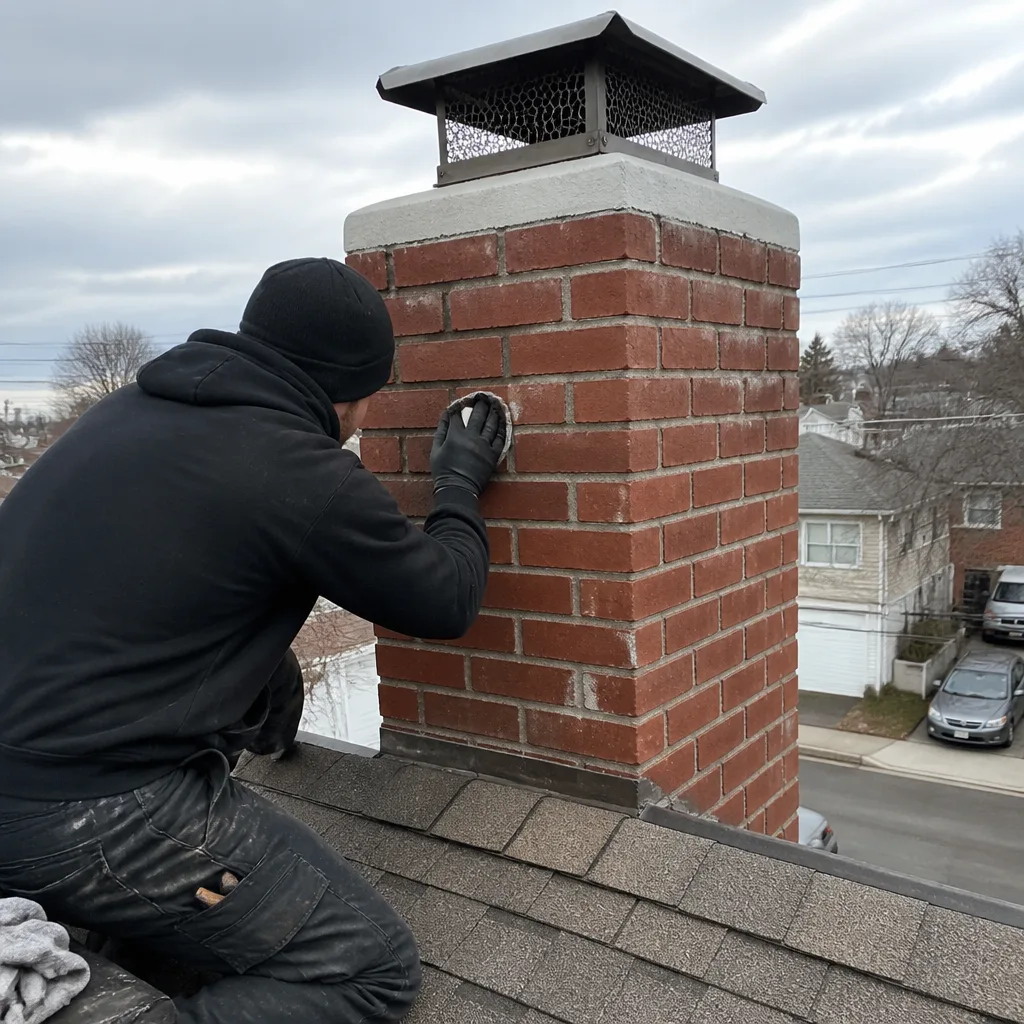
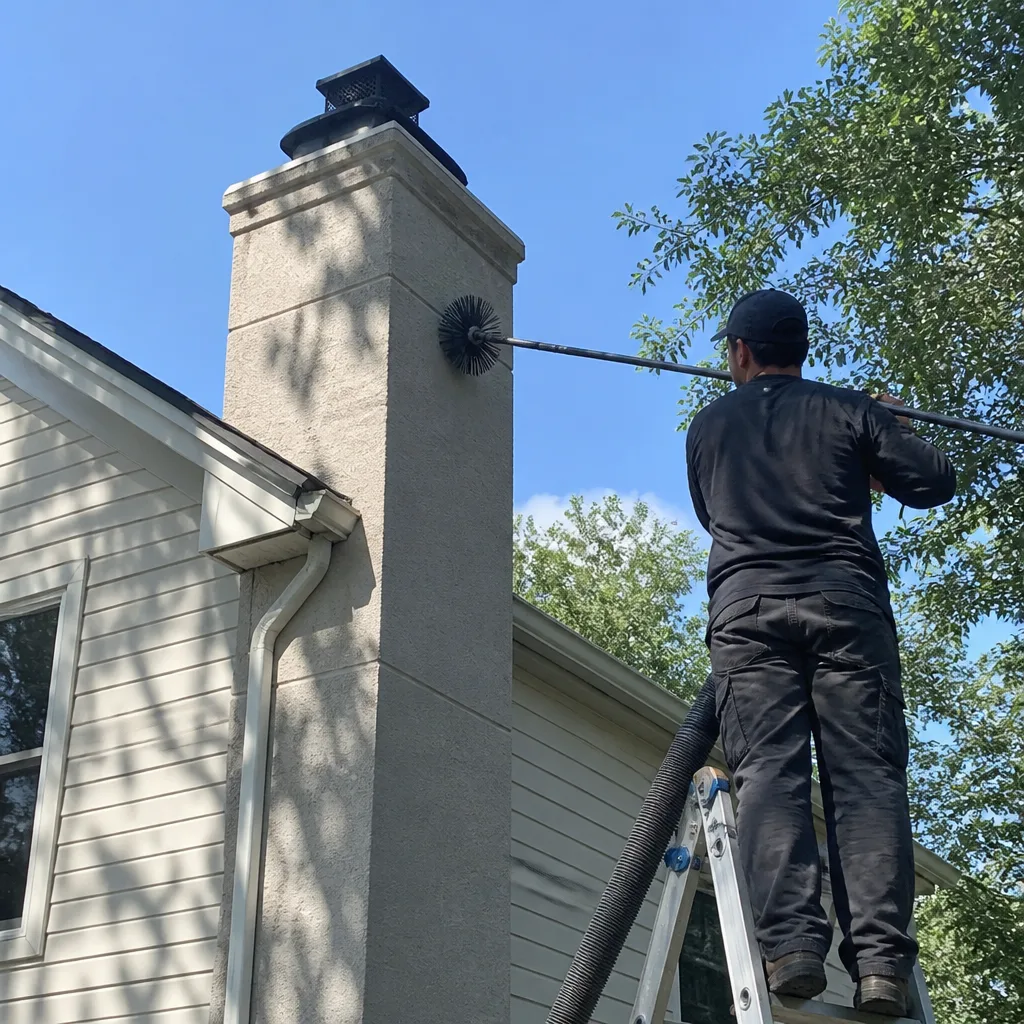
Level 1 sweep and inspection to the NFPA 211 annual standard - flue, crown, cap, and flashing checked and photographed
Chimney sweep logs do not sweep chimneys. They loosen some creosote - which then falls where a brush and vacuum still have to collect it.
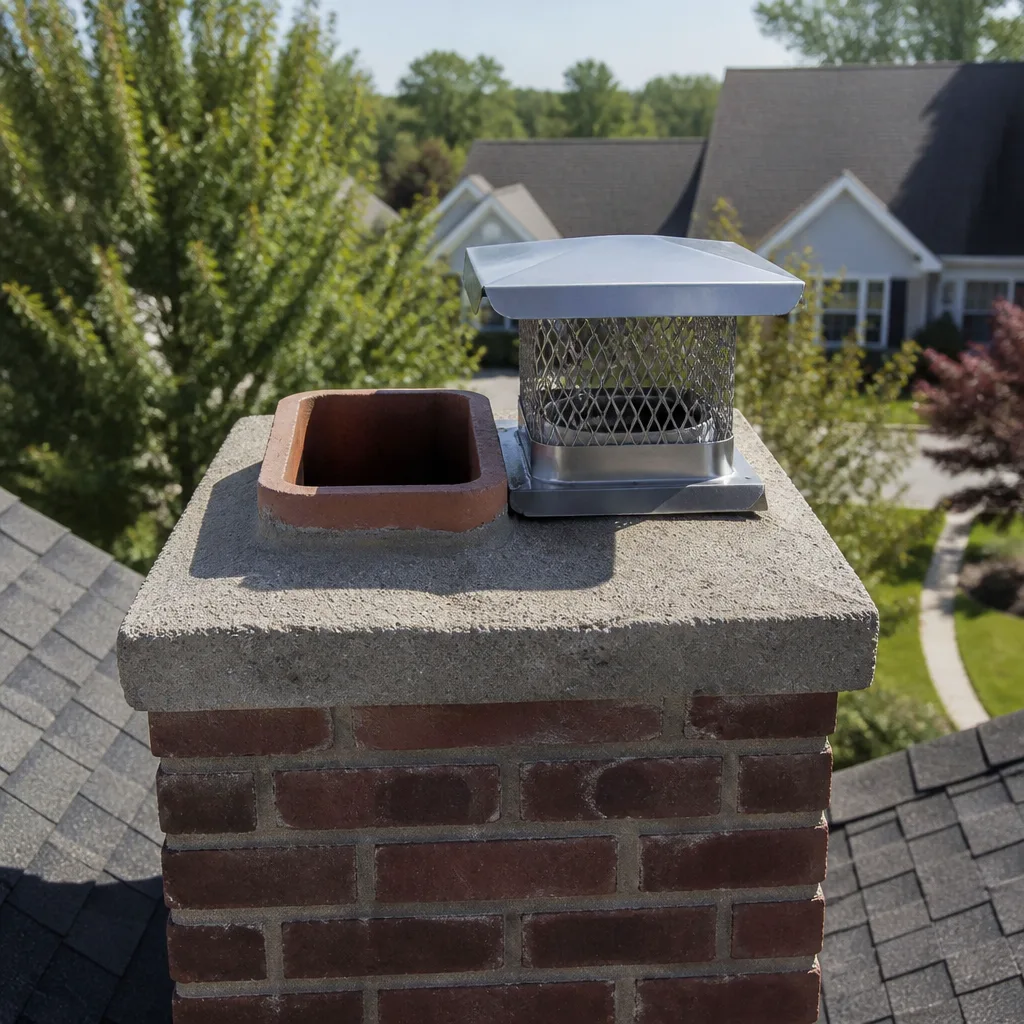
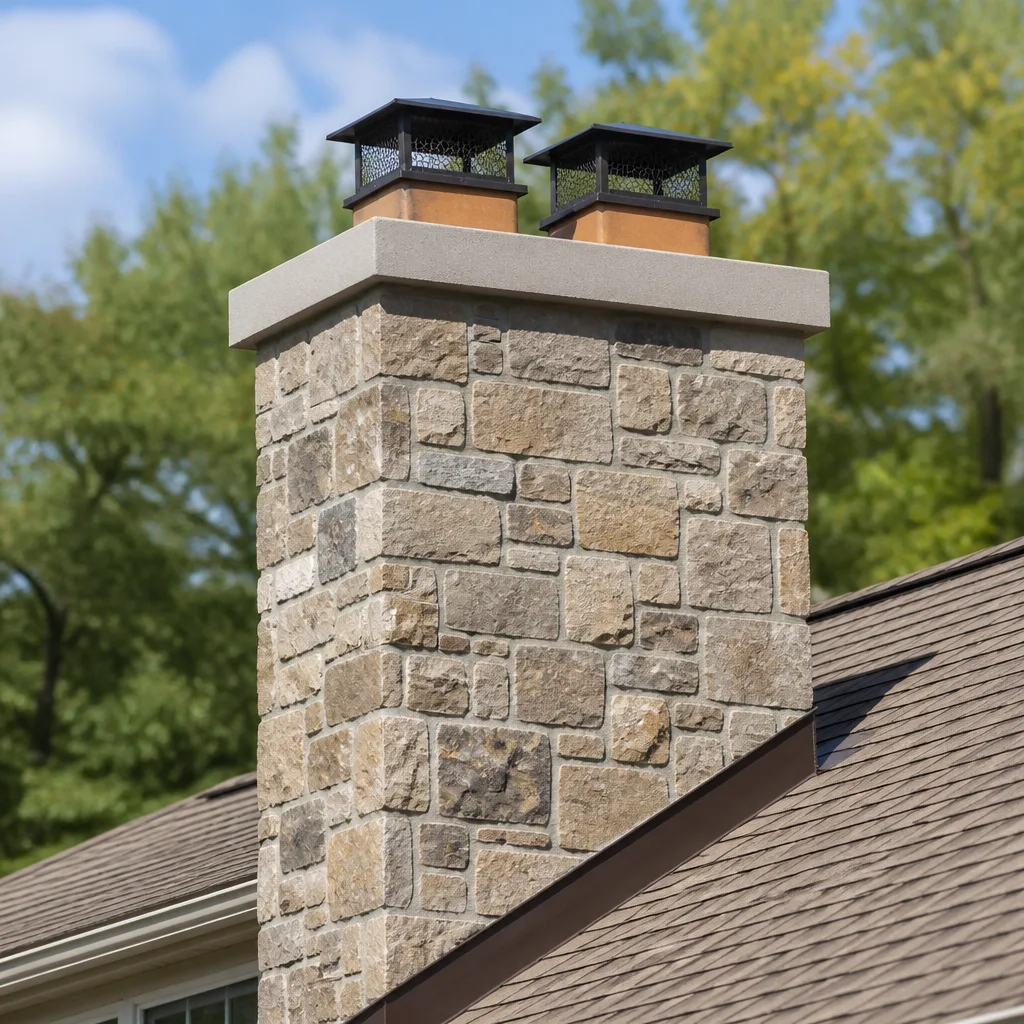
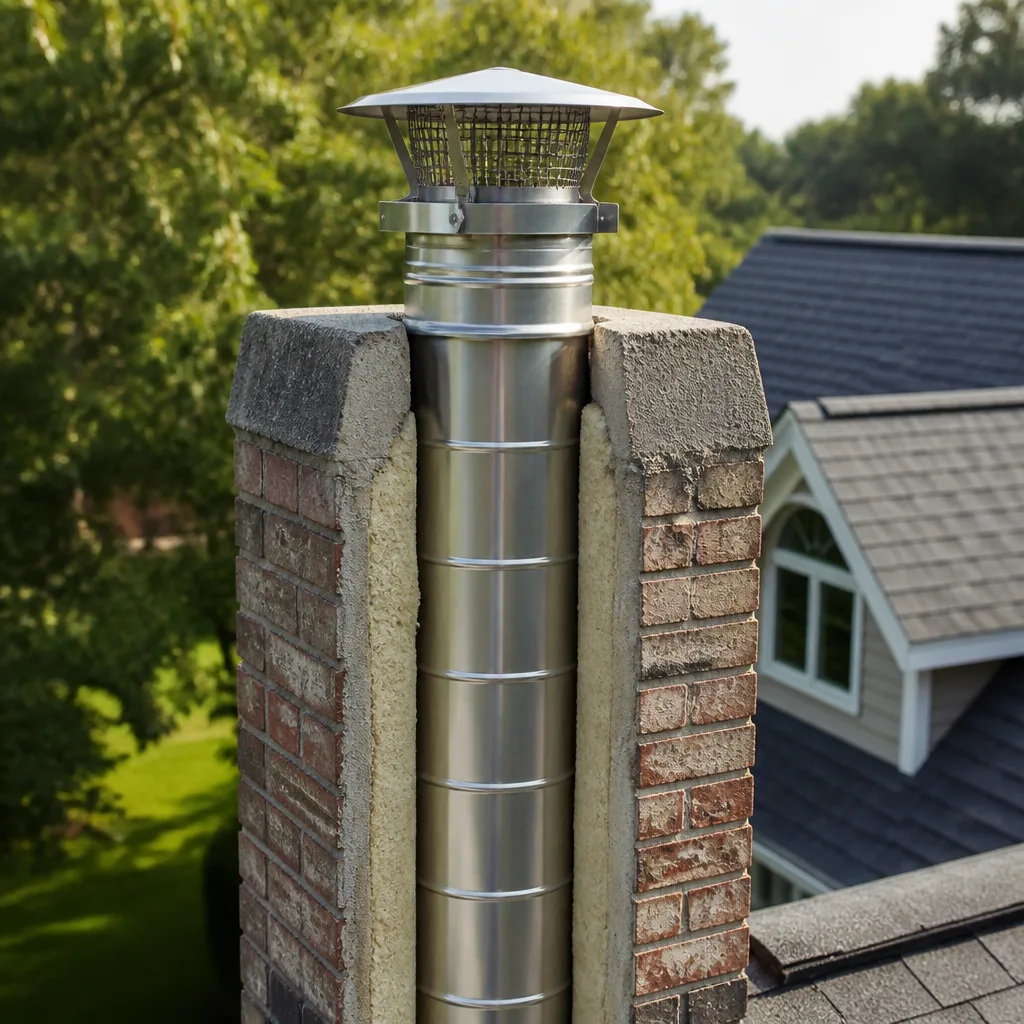
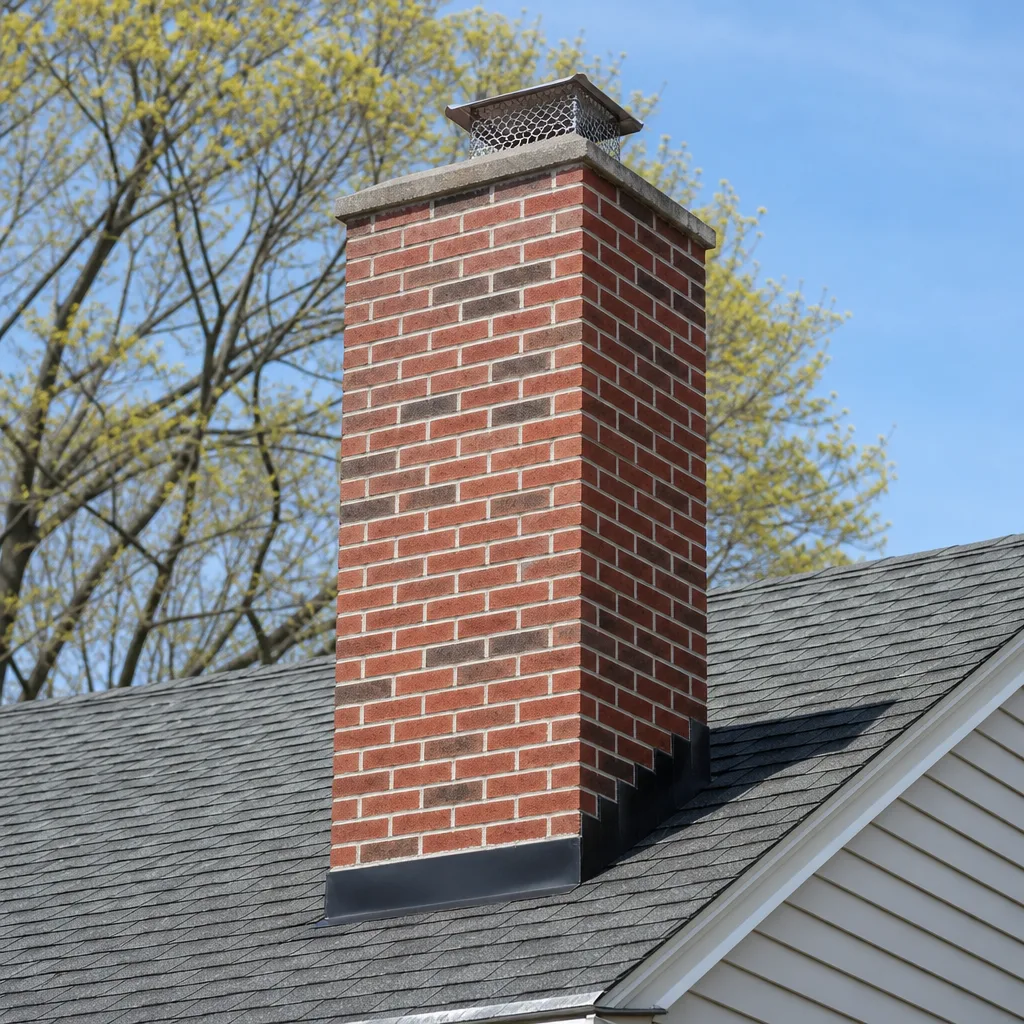
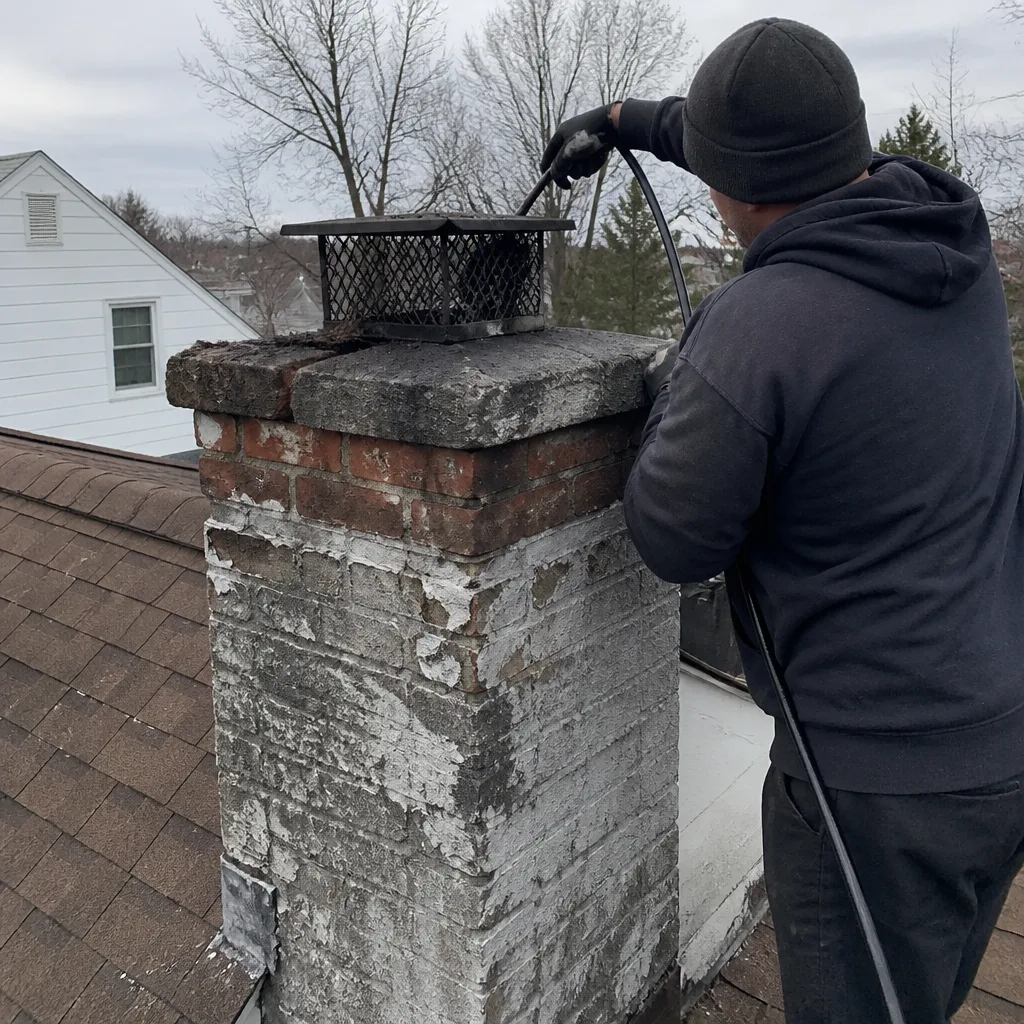 Before
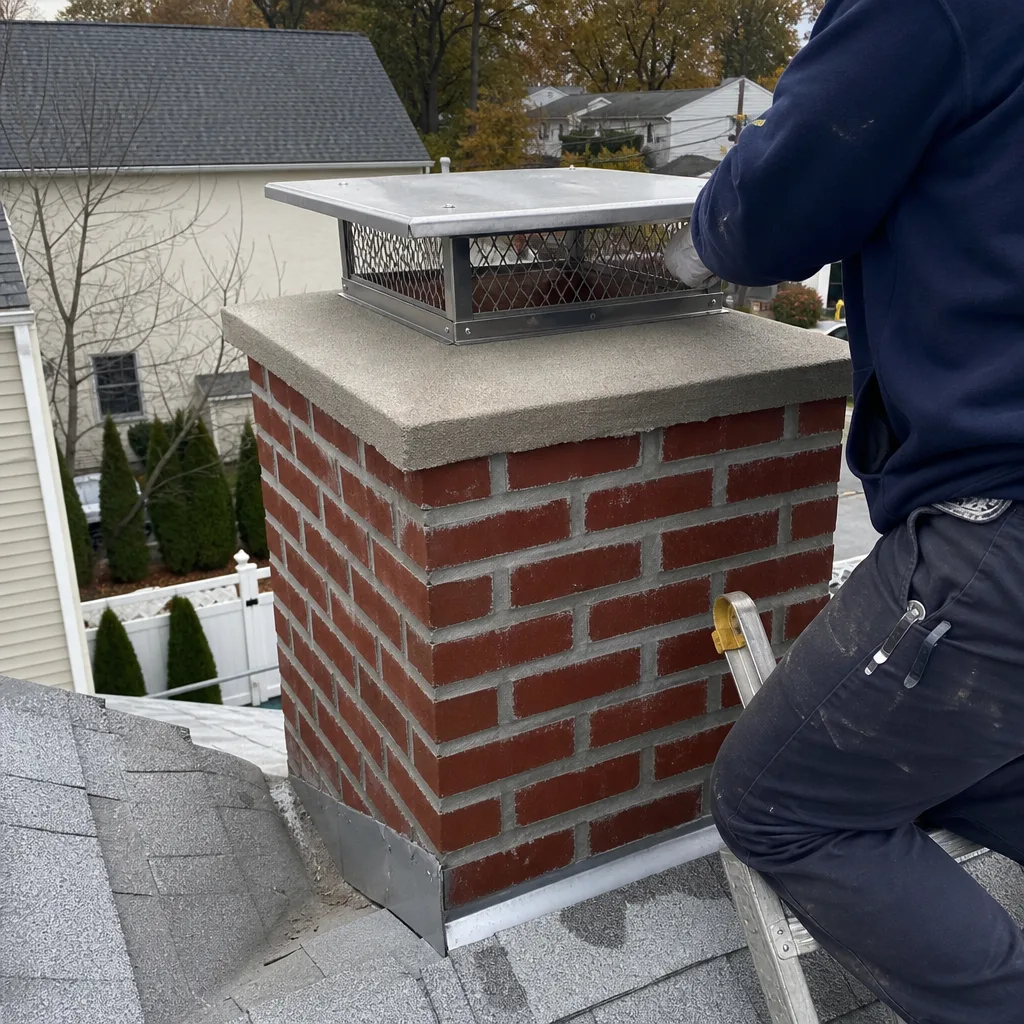 After
After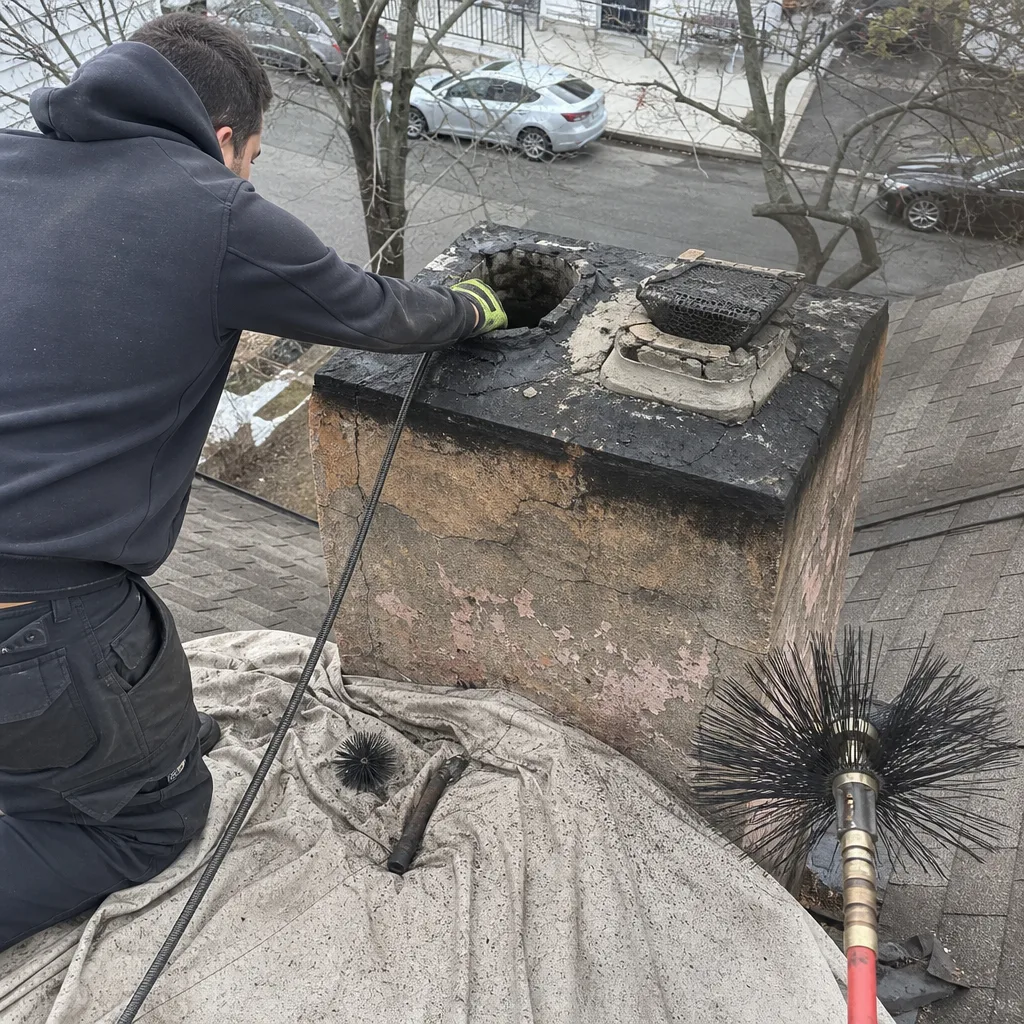 Before
 After
After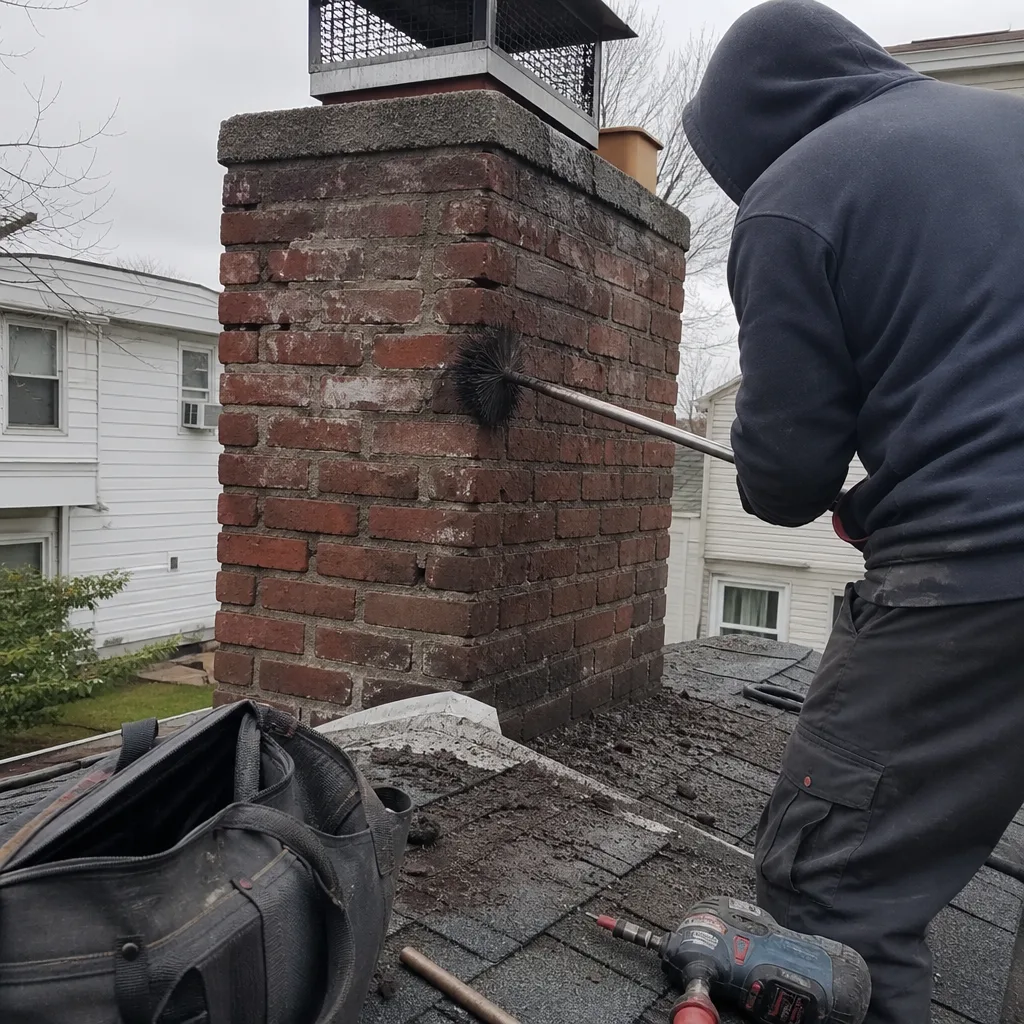 Before
 After
AfterSeasonal Chimney Cleaning Care for Staten Island: Year-Round Homeowner’s Guide
Salt air from the Arthur Kill and the Upper Bay doesn’t just corrode metal chimney caps - it works into mortar joints and accelerates the spalling that makes a sound-looking chimney structurally compromised inside of a decade. In our 42 years serving this island, we’ve pulled apart brickwork that looked fine from the ground and found powder behind the face. This guide maps chimney care to what Staten Island’s actual climate does to your system, season by season, so you’re fixing problems before they become emergencies. For a deeper dive, see our Chimney Cleaning & Sweep Maintenance Checklist for Staten Island Homeowners.
Quick Answer
Staten Island homeowners should schedule chimney sweeping in late spring after the heating season ends, complete structural repairs and liner work during summer, perform pre-season Level-2 inspections in early September, and monitor for mid-season draft changes in winter. The island’s waterfront humidity and salt exposure accelerate creosote buildup and masonry decay compared to inland climates, meaning most active fireplaces need annual sweeping rather than the biennial schedule that suffices drier regions.
Table of Contents
- Spring: What the Heating Season Left Behind
- Summer: The Off-Season Advantage
- Fall: The Pre-Season Inspection Sequence
- Winter: Mid-Season Warning Signs
- Year-Round: How Staten Island’s Climate Changes Your Cleaning Frequency
- Neighborhood-Specific Patterns We’ve Observed
- What Seasonal Chimney Care Costs in Staten Island
- A Simple Annual Maintenance Calendar
Spring: What the Heating Season Left Behind
When the last fire burns out in March or April, most homeowners close the damper and forget the chimney exists until October. That’s a mistake on any roofline, but it’s a costly one on Staten Island.
Here’s what happens over a typical heating season. Every fire deposits creosote - a tar-like combustion byproduct that builds in stages. Stage one is flaky soot. Stage two is crunchy chips. Stage three is glazed, hardened creosote, nearly impossible to remove with standard brushes and highly combustible. In our inspections across Tottenville, Great Kills, and St. George, we find stage-three glaze most often in chimneys that went two or more seasons without professional sweeping. The island’s humidity slows drying between fires, which keeps creosote tacky longer and promotes harder buildup.
Spring is when you discover what the winter cost you. Freeze-thaw cycles between January and March are brutal here. Water seeps into hairline cracks, expands when temperatures drop below 32°F, and widens those cracks with every cycle. By April, a crack that was invisible in November can be wide enough to admit significant water. We’ve seen this pattern repeat on exposed rooflines in neighborhoods like New Dorp and Oakwood, where chimneys lack the windbreak that trees or taller buildings provide elsewhere.
What to inspect each spring:
- Visual check from ground level. Binoculars help. Look for missing or shifted bricks, white efflorescence (mineral salts indicating water intrusion), and gaps in mortar joints.
- Interior check at the firebox. Look for cracked firebrick, damaged mortar, and rust on the damper or fire grate. Rust means moisture is getting in somewhere.
- Smell test. A strong, acrid odor when you open the damper indicates creosote buildup reacting with spring humidity. This smell worsens as temperatures rise.
- Schedule the sweep. Spring appointments are easier to book, and you’ll have the full summer to address anything found.
The specific spalling pattern we see on Staten Island starts at the crown and works down. Salt air accelerates the deterioration of the crown’s concrete or mortar cap. Once that protection fails, water enters the top course of brick. Freeze-thaw pops the face off bricks, leaving the softer interior exposed. By the time you notice this from the ground, the chimney may need partial rebuild rather than simple repointing.
Our chimney cleaning and sweep service in Staten Island includes a post-sweep condition report with photos. If we find spalling, we show you exactly where and explain whether it can wait or needs immediate attention.
Summer: The Off-Season Advantage
July and August are the best months for chimney work that requires dry conditions and flexible scheduling. The problem is that most homeowners don’t think about their chimney until they feel the first cold snap.
Summer is liner season. A damaged or improperly sized flue liner is a carbon monoxide risk and a fire hazard, but liner replacement or relining with a stainless steel system like DuraFlex requires warm, dry weather for proper curing of any refractory materials. Before scheduling, check Chimney Cleaning Permits, Codes & Inspections in NY: What You Need to Know. HeatShield cerfractory flue resurfacing, which we use for restoring clay tile liners with minor damage, also needs controlled conditions. Attempting this work in a rushed October appointment, when demand peaks and weather turns unpredictable, means potential delays and compromised installation quality.
Crown sealing belongs in summer too. A proper crown sealant - we use professional-grade formulations from Copperfield and Gelco - needs 24 to 48 hours of dry weather to cure. Summer in Staten Island delivers that reliability. Fall does not.
Flashing repairs around the chimney base are another summer priority. The intersection where chimney meets roof is the most leak-prone area on most homes. Staten Island’s wind-driven rain from the southeast, common in nor’easters, tests this seal repeatedly. Summer repair gives you time to verify the fix holds through several rain events before heating season begins.
Why the summer scheduling advantage matters:
- Appointment availability is typically 2-3 weeks out versus 4-6 weeks in October
- Technicians can take proper time with camera inspections and documentation
- Material orders face no weather-related delivery delays
- Any unexpected additional repairs can be completed before fall
- Our 90-Day Done Right Promise covers work done in August straight through Thanksgiving use
We answer our phones with a live person 24 hours a day, 7 days a week, even in July. Call (516) 613-3035 to book summer work before the October rush fills the calendar.
Fall: The Pre-Season Inspection Sequence
The single biggest mistake we correct every year is the November panic inspection. Homeowner lights the first fire of the season, smells something wrong, calls for an emergency appointment, and discovers problems that should have been fixed in September.
Here’s the timeline that actually works. By early September, schedule your Level-2 inspection. This is the camera inspection that examines the full interior flue, the smoke chamber, the firebox, and accessible exterior surfaces. It produces photos you can see and a plain-English verdict on what’s safe, what needs attention, and what can wait.
The inspection sequence we follow:
- Exterior evaluation. Crown, cap, flashing, brick condition, and clearance to combustibles.
- Interior camera scan. A high-resolution camera travels the full flue length, documenting liner condition, creosote deposits, obstructions, and any structural defects.
- Smoke chamber and firebox inspection. Check for proper parging, firebrick integrity, and damper operation.
- Draft performance test. Verify the chimney draws properly under operating conditions.
- Written report with photos. Every finding documented, every recommendation explained in plain terms.
September timing matters because it leaves room for repair work before you need heat. If the inspection reveals liner damage requiring HeatShield application or DuraFlex relining, that work takes time to schedule and complete properly. If masonry needs repointing or crown rebuilding, mortar needs cure time. If you wait until late October, you face a choice: delay heating or accept compromised repair conditions.
Staten Island’s fall weather turns quickly. The first sustained cold snap typically arrives in mid-to-late October, and our appointment calendar fills 4-6 weeks ahead. Homeowners in Westerleigh, Port Richmond, and Arden Heights who book September inspections have their pick of appointment times and their full range of repair options.
Our chimney repair services in Staten Island include no-hassle upfront pricing - the number on the estimate is the number on the invoice. Nothing is recommended without camera evidence you can see for yourself.
Winter: Mid-Season Warning Signs
Even a properly inspected and swept system can develop problems during active use. Winter is when you catch what inspections couldn’t predict.
Draft reversal is the most common mid-season issue on Staten Island. Your chimney relies on temperature differential to draw smoke upward. When outdoor temperatures are mild - common in our shoulder-season winters - or when strong winds blow across certain roof configurations, the draft can reverse, pushing smoke into the living space. This happens more often in split-level homes common in neighborhoods like Eltingville and Annadale, where chimney height relative to roof peaks creates complex pressure zones.
Signs that something has changed inside your flue:
- Smoke spillage at startup. A small puff on lighting is normal; persistent smoke entering the room is not.
- Change in fire behavior. Fires that previously burned brightly now smolder, or flames that drew cleanly now dance erratically.
- New odors. Musty smells suggest water intrusion; acrid, chemical smells suggest creosote overheating.
- Soot accumulation on furniture near the fireplace. Indicates incomplete combustion or draft problems.
- Visible creosote flakes in the firebox. Means buildup is shedding from the flue, often due to rapid temperature changes or structural movement.
Carbon monoxide risk rises in winter, and it’s not only from blocked flues. A deteriorating liner with gaps or cracks can leak combustion gases into wall cavities or living spaces even when the chimney appears to draft normally. This is why we recommend CO detectors on every floor, tested monthly, with batteries replaced before heating season.
If you experience any warning signs, stop using the fireplace and call for inspection. Our phones are staffed by a live person 24 hours a day, 7 days a week. We do not recommend DIY flue inspection during active heating season - the risk of missing a critical defect is too high, and the consequences are too severe.
Our fireplace services in Staten Island include mid-season troubleshooting and emergency inspection when safety concerns arise.
Year-Round: How Staten Island’s Climate Changes Your Cleaning Frequency
Generic chimney guides often state that annual sweeping is “recommended” without explaining why frequency varies by location. On Staten Island, the climate specifics matter.
Waterfront humidity is the primary factor. The island’s position between the Arthur Kill, Newark Bay, and the Upper New York Bay means ambient moisture levels run higher year-round than in inland New York counties. Moisture in the flue slows creosote drying, keeps it tacky and adhesive, and promotes the harder, more combustible glaze formations that standard brushes struggle to remove.
Salt air is the secondary factor. Sodium chloride in coastal air accelerates corrosion of metal components - stainless steel caps, galvanized flashing, damper hardware. It also contributes to masonry deterioration when it crystallizes in pores and cracks, expanding with humidity changes in a slower version of freeze-thaw damage.
What this means for cleaning frequency:
| Usage Pattern | Inland Climate | Staten Island Climate |
|---|---|---|
| Occasional use (1-2 fires/week) | Every 2 years | Annual |
| Regular use (3-5 fires/week) | Annual | Annual, with mid-season check |
| Primary heat source (daily fires) | Twice yearly | Twice yearly, spring and fall |
| Pellet or wood insert | Per manufacturer | Per manufacturer, inspect cap annually for corrosion |
The National Fire Protection Association Standard 211 recommends annual inspection for all chimneys, fireplaces, and vents. In our experience on Staten Island, that inspection should include sweeping for any actively used wood-burning system. Gas systems need less frequent cleaning but still require annual inspection of liners, caps, and connections.
We’ve documented cases in Tottenville, closest to open water, where stainless steel caps showed significant corrosion in under five years. The same cap specification in Westerleigh, more sheltered, lasted twelve. This is why our inspections include specific component condition ratings, not pass-fail judgments.
Neighborhood-Specific Patterns We’ve Observed
After four decades on this island, we’ve learned that “Staten Island” contains several distinct chimney environments. What follows is drawn from our actual service records, not general assumptions.
South Shore waterfront (Tottenville, Charleston, Pleasant Plains): Highest salt exposure, fastest metal corrosion, most frequent cap and flashing replacement. Masonry spalling typically starts at the crown and progresses downward. Chimneys here benefit from crown sealing every 3-5 years rather than the 7-10 year interval that suffices inland.
Mid-island established neighborhoods (Great Kills, Oakwood, New Dorp): Mature tree cover provides some windbreak but contributes leaf debris and organic matter that blocks caps and crowns. We’ve found bird nests and squirrel dens in chimneys here more often than anywhere else on the island. Cap with integrated animal guard is essential.
North Shore older housing (St. George, Stapleton, Port Richmond): Pre-war construction with unlined or partially lined chimneys is common. These systems require more frequent inspection and are the most common candidates for liner installation or relining. Original terra cotta liners in these homes often show thermal shock cracking from decades of use.
Hilltop exposed areas (Westerleigh, Emerson Hill, parts of Todt Hill): Wind exposure creates draft challenges, especially on split-level and raised-ranch designs. Chimney height extensions or specialized caps from Famco or Olympia Chimney often solve persistent downdraft problems.
Dense developments (New Springville, Heartland Village): Newer construction with factory-built fireplaces and metal chimneys. These systems have different maintenance needs - focus on cap integrity, proper clearances, and manufacturer-specified component replacement.
What Seasonal Chimney Care Costs in Staten Island
Price transparency matters to homeowners who’ve been burned by contractors before. Here’s what seasonal chimney maintenance actually costs in our market, based on our no-hassle upfront pricing - or see our full Chimney Cleaning Cost Breakdown: The Staten Island Homeowner’s Reference for 2026.
| Service | Typical Range | What’s Included |
|---|---|---|
| Level-1 sweep and inspection | $189 – $279 | Standard sweep, basic visual inspection, condition report |
| Level-2 camera inspection | $289 – $389 | Full camera scan of flue, photos, written verdict, no cleaning |
| Level-2 with sweep | $349 – $449 | Complete sweep plus full camera inspection and documentation |
| Crown sealing | $450 – $850 | Surface prep, professional-grade sealant application, cure verification |
| Stainless steel cap installation | $325 – $650 | Custom-fit cap, animal guard, installation |
| HeatShield liner resurfacing | $1,800 – $3,200 | Surface preparation, cerfractory application, curing, verification scan |
| DuraFlex stainless relining | $2,800 – $5,500 | Full liner system, insulation, connections, cap, warranty documentation |
Our standing offers include $50 off any repair over $250, a free second opinion on any written estimate, an $89 seasonal tune-up, and a permanent 5% senior and veteran discount. These combine with our 90-Day Done Right Promise - in writing, no arguing - so the number we quote is the number you pay, and the work is guaranteed.
Call (516) 613-3035 for an exact quote. Estimates are free, and we bring the camera so you see what we see.
A Simple Annual Maintenance Calendar
Complex schedules get abandoned. This one fits on a refrigerator magnet. For year-round guidance, explore our more guides & resources.
March-April: Schedule post-season sweep. Inspect exterior for winter damage. Book any needed repairs for summer completion.
May-June: Complete masonry repairs, crown work, and cap replacement. Verify flashing integrity during spring rains.
July-August: Schedule liner work or relining if needed. This is also ideal timing for major rebuilds or structural repairs.
Early September: Book Level-2 inspection. Allow 2-3 weeks for appointment and 2-4 weeks for any follow-up repairs before first fire.
Late October: Final pre-season check. Verify damper operation, CO detector function, and firewood supply (seasoned hardwood only, 20% moisture or less).
January-February: Monitor for mid-season warning signs. Don’t ignore changes in performance.
Common Mistakes to Avoid
- Waiting for visible damage. By the time you see spalling from the ground, water has compromised multiple courses of brick. Annual camera inspection catches what eyes cannot.
- Assuming gas fireplaces need no maintenance. Gas produces different byproducts than wood, but liners still deteriorate, caps still corrode, and connections still loosen. Annual inspection is non-negotiable.
- Using the chimney as a vent for other appliances. In older Staten Island homes, we’ve found water heaters or furnaces improperly vented into fireplace flues. This is a code violation and a carbon monoxide risk.
- Buying the cheapest cap at a hardware store. Mass-market caps fit poorly, corrode quickly in salt air, and often lack proper animal screening. A properly fitted cap from Copperfield or Gelco lasts years longer.
- Ignoring musty odors in summer. That smell is creosote reacting with humidity, and it signals buildup that will burn dangerously hot come fall. It’s also an indicator of poor draft and potential water intrusion.
- Scheduling repairs in October rush. Contractors are overbooked, materials face delays, and weather cuts working days. Summer scheduling means better work at less stress.
- Skipping inspection after chimney fires. Even a small chimney fire - the roaring sound, the acrid smell - causes liner damage that inspection must assess. Using the chimney afterward without evaluation risks a larger, house-destroying fire.
When to Call a Professional
Some situations demand immediate professional evaluation. Stop using the system and call if you experience smoke entering the room during normal operation, visible cracks in the firebox or flue liner, a chimney fire (even suspected), or carbon monoxide detector activation. Also call before any major change: converting fuel type, installing a new insert, or purchasing a home with an unknown chimney history.
Hearthstone Chimney Co. offers free estimates in Staten Island. Our background-checked, uniformed technicians complete most jobs in a single visit, and we document every inspection with photos and a plain-English verdict. Call (516) 613-3035 to speak with a live person, any hour of any day.
Frequently Asked Questions
A standard Level-1 chimney sweep with basic visual inspection typically runs $189 to $279 in the Staten Island market. A Level-2 camera inspection with full documentation runs $289 to $389, or $349 to $449 when bundled with sweeping. Call (516) 613-3035 for an exact quote - estimates are free, and we bring the camera so you see what we see.
Most actively used wood-burning fireplaces on Staten Island need annual sweeping due to higher humidity and salt air accelerating creosote buildup. Occasional users in drier inland climates might stretch to two years, but the island’s waterfront environment makes annual service the safer standard. Gas systems need annual inspection though less frequent cleaning.
No liner work is recommended without camera evidence you can see yourself. Small cracks in terra cotta often can be addressed with HeatShield resurfacing. Extensive damage or missing sections require stainless steel relining. We show you the exact condition, explain the safety implications, and tell you honestly when work can safely wait a season versus when it cannot.
Skipped maintenance leads to three predictable outcomes: chimney fire from ignited creosote (over 25,000 per year nationally), carbon monoxide intrusion from damaged liners or blocked flues, and structural decay that turns a $500 repair into a $5,000 rebuild. On Staten Island specifically, salt and humidity accelerate all three timelines.
Summer chimney odor is creosote deposits reacting with humidity - a problem worse on Staten Island than inland due to higher ambient moisture. The smell signals buildup that will burn hotter and more dangerously in fall, and often indicates poor draft or water intrusion compounding the issue. A spring sweep eliminates the source.
Level-1 is a visual inspection of accessible components, appropriate for chimneys with no changes and continued normal use. Level-2 adds a camera scan of the full flue interior, required for real estate transactions, after chimney fires, or when changing fuel types. On Staten Island’s older housing stock, we recommend Level-2 at least every three years even without triggering events.
The Bottom Line
Staten Island’s climate is not generic, and chimney care here shouldn’t be either. Salt air, waterfront humidity, and exposure patterns specific to neighborhoods from Tottenville to St. George create maintenance needs that inland guides miss entirely. The homeowners who sleep soundly through winter are the ones who inspected in September, repaired in summer, and chose craftsmen who document their work with photos and stand behind it in writing. We’ve been doing exactly that for over 42 years. Done right - and we stand behind it.
Written by Russell Haines, Owner at Hearthstone Chimney Co., serving Staten Island since 2014.